• Europe

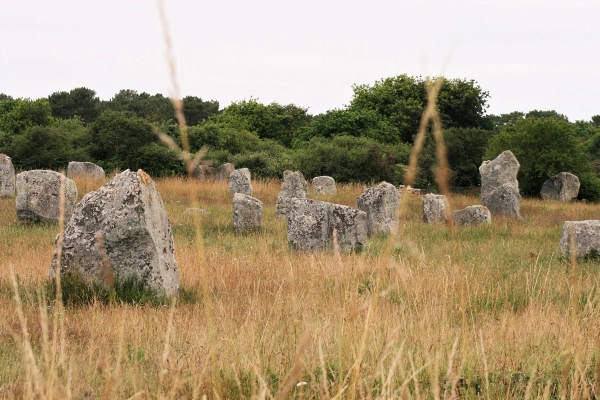
    Carnac

    Are you wondering whether Carnac’s stone alignments are actually worth the detour through rural Brittany? I asked myself the same thing before my first trip. Then I went three times over six years — and each visit revealed something the previous one missed entirely. What Makes Carnac Different From Every Other Megalithic Site Carnac isn’t one site. It’s a landscape. Spread across roughly 4 kilometers of Breton countryside, the Carnac alignments contain over 3,000 standing stones arranged in long parallel rows — the largest concentration of prehistoric standing stones on earth. Nobody built this in a weekend. Construction started around…
  • Europe

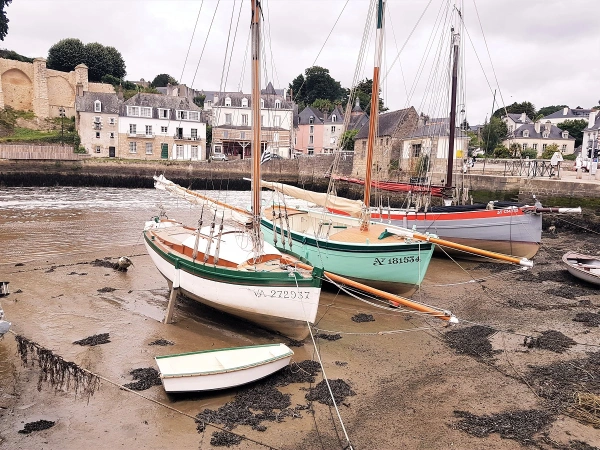
    Auray and Saint Goustan

    When Benjamin Franklin set foot on French soil in December 1776 to seek support in the American War of Independence, he came ashore in the tiny Breton port of Saint Goustan. Situated on the banks of the River Loch, adjoining the town of Auray, Saint Goustan is a delightful, picturesque affair. With a cobbled quayside lined with colourful timber-fronted houses, it’s a suitably charming spot for an influential American founding father/writer/politician/inventor/all-round-genius to disembark. Unlike Benjamin Franklin, we ambled into Saint Goustan on foot via a path along the river (above) and as we approached the centre of the medieval port…

  • Europe

    Le Bono

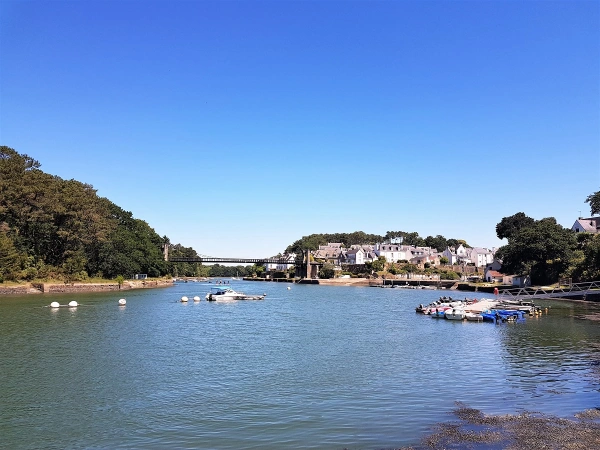
    You’re driving south from Auray toward the Carnac megaliths and a brown tourist sign appears pointing left. Most rental cars keep going. That’s the mistake. Le Bono is a tidal village on the Rivière d’Auray, roughly 5 kilometers south of Auray’s famous Saint-Goustan port. It has a suspension footbridge, a working oyster estuary, and a harbor that looks completely different depending on whether the tide is in or out. It won’t fill a full day. But if you’re spending time around the Gulf of Morbihan and skip it, you’ve left one of the most photogenic corners of Morbihan untouched. Here’s…

  • Europe

    Roscoff

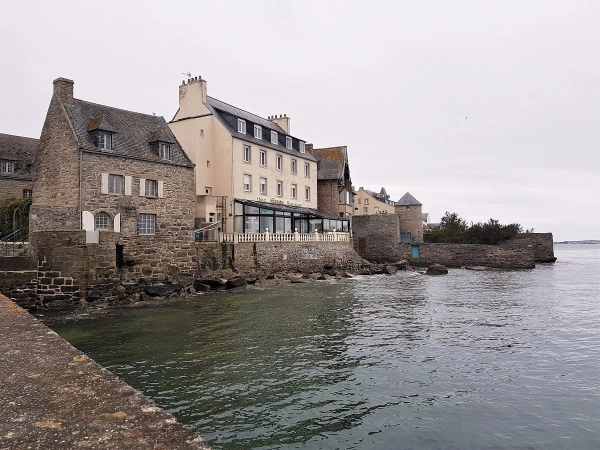
    Is Roscoff worth visiting, or is it just the town you drive through after the ferry docks? Most people never find out. They arrive from Plymouth on the Brittany Ferries crossing, clear customs, and point their car east toward Paris. That’s a reasonable choice — but it means missing one of the most genuinely intact old towns on the Breton coast. Roscoff sits at the far northwest tip of France, in the Finistère department, with a population of roughly 3,500 people. It is, in most respects, a small fishing town. It also happens to have a Renaissance church, a subtropical…

  • Europe

    Brittany

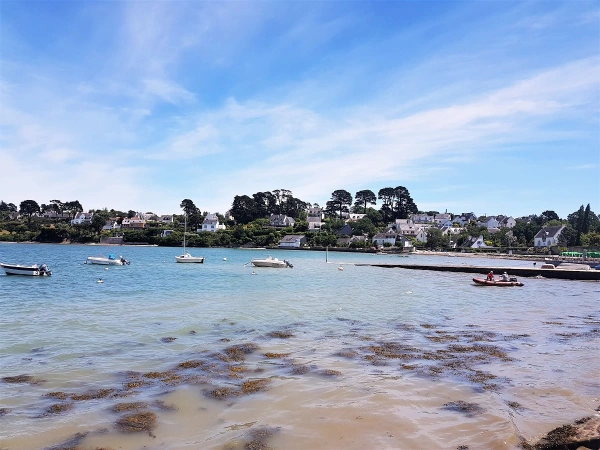
    Why Brittany Beats Other French Regions for First-Time Visitors Brittany is the right choice. Not the flashiest, not the obvious one — but the right one if you want coastline, history, and food without spending €400 a night or queuing 45 minutes to see a cathedral. Most people default to Provence or the Côte d’Azur. Understandable. But Provence in July is 38°C, crowded, and expensive. The Côte d’Azur is beautiful if you have a boat and a trust fund. Normandy is excellent, but most visitors burn two of their three days at D-Day beaches and leave without seeing the actual…

  • Europe

    Île aux Moines

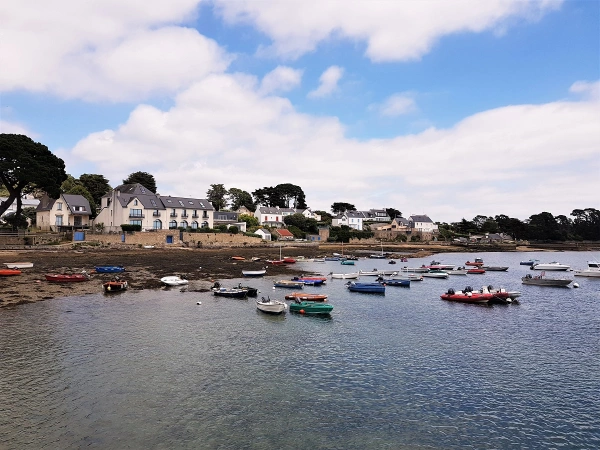
    Île aux Moines sits in the Gulf of Morbihan, 800 metres off the Breton coast near Baden. It is the largest island in the gulf — roughly 320 hectares — and the most visited. Those two facts are connected, and not in a way that benefits a poorly planned visit. Most visitors treat the crossing as an afterthought. The ferry is short, the fares are low, the island looks manageable on a map. Then they arrive in August at 11am and spend four hours competing with hundreds of other visitors for the same narrow paths and the same small beaches.…

  • Europe

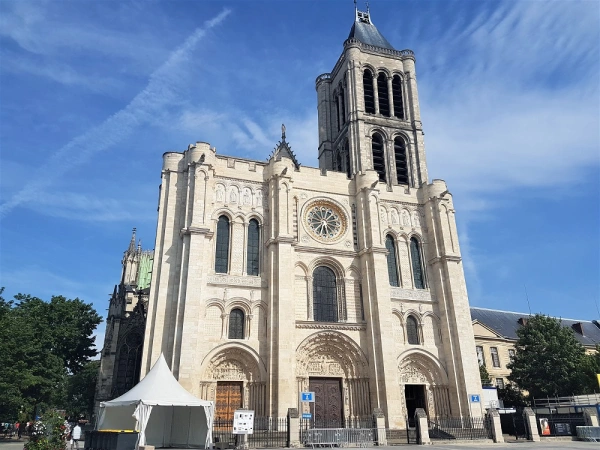
    Paris: Basilica of Saint-Denis

    The Basilica of Saint-Denis to the north of Paris has been top of my Parisian bucket list for a good 20 years and I was determined to finally visit it last summer. The magnificent basilica is the resting place of almost all the French kings and queens, with 43 kings, 32 queens and more than 60 minor royals buried within its walls. Name a French monarch or consort and you’ll probably find them in Saint-Denis – Louis XIV, Henri IV (below), Catherine de Medici, Louis XVI and Marie Antoinette are among the famous royals laid to rest here. Gruesome legend…