You have three weeks, a flexible budget, and a choice between two of Southeast Asia’s most iconic destinations. Which one do you book first?
Both get recommended constantly — and both are genuinely excellent. But they’re not interchangeable. The right pick depends on your travel style, budget, and what a first backpacking trip actually needs to deliver.
Here’s the honest comparison, built on real 2026 costs and ground-level logistics.
What Each Destination Actually Costs Per Day
Budget usually drives this decision for first-timers, and this is where things get interesting. Bali has a reputation for being cheap. Thailand — particularly outside Bangkok and the tourist islands — often edges it out.
| Expense | Bali (USD) | Thailand (USD) |
|---|---|---|
| Hostel dorm bed | $8–14/night | $7–12/night |
| Street food meal | $1.50–3 | $1–2.50 |
| Sit-down local restaurant | $4–7 | $3–6 |
| Scooter rental (per day) | $5–8 | $6–10 |
| Inter-city transport (3–4 hrs) | $8–15 (tourist shuttle) | $4–12 (bus or train) |
| Temple or site entry | $3–8 | $1–6 |
| Visa cost | $35 (Visa on Arrival) | $0 (visa exemption, most passports) |
| Realistic daily budget | $35–55/day | $25–45/day |
The $35 Bali Visa on Arrival catches a lot of first-timers off guard. On a tight budget it matters — especially on a 10-day trip where that’s real money before you’ve eaten a single meal.
Thailand’s street food pricing is hard to beat. A plate of pad see ew or a bowl of khao tom from a Chiang Mai night market stall costs 40–60 THB (about $1.10–$1.70). Bali’s warung food — nasi goreng, mie goreng — is also cheap, but slightly less so around tourist-heavy areas like Seminyak or Ubud’s main drag.
Budget verdict: Thailand is cheaper. For a 14-day trip, expect to spend roughly $150–200 less in Thailand compared to Bali at a similar pace and travel style.
The 2026 Visa Situation
Thailand offers a 30-day visa exemption for most Western, Southeast Asian, and many other nationalities — no fee, no pre-registration. Bali requires a Visa on Arrival at $35 USD, paid in cash at Ngurah Rai Airport. That’s the complete picture. Build the $35 into your Bali budget before you leave home so it doesn’t blindside you after a long-haul flight.
Getting Around: Why Thailand Has a Real Edge Here
This is the most underrated difference between the two destinations — and for a first-timer, it matters significantly.
Thailand’s Transport Network Is Built for Backpackers
Thailand has a developed, affordable network that lets you move between cities without ever touching a scooter. The overnight train from Bangkok Hua Lamphong to Chiang Mai costs 600–1,200 THB ($17–35) depending on class, runs 12 hours overnight, and deposits you in Chiang Mai having saved a night’s accommodation cost. That’s exceptional value by any measure.
The Bangkok BTS Skytrain and MRT handle city movement efficiently. Grab — Southeast Asia’s ride-hailing app — works seamlessly across Bangkok, Chiang Mai, and Phuket. For inter-city minibuses, 12Go Asia aggregates routes across the country and lets you book online without showing up at a random bus station hoping for a seat. Budget carriers AirAsia and Nok Air fly Bangkok to Phuket for 800–1,500 THB ($22–42) booked a few weeks in advance.
For the islands, ferries between Ko Samui, Ko Pha-ngan, and Ko Tao run multiple times daily at 200–400 THB ($6–11) per crossing. The classic Bangkok → Chiang Mai → Ko Samui → Ko Pha-ngan → Ko Tao route is well-trodden and completely manageable for someone who has never traveled solo before.
Bali Basically Requires a Scooter
Bali has no trains and limited public buses. The Kura-Kura tourist shuttle and Perama run fixed routes between main hubs, but they’re slow and cover limited ground. Grab exists in Bali but is unreliable outside Denpasar, Kuta, and Seminyak. Gojek fills gaps but requires a local SIM and some patience navigating the app.
Scooter rental in Canggu or Ubud runs about 60,000–80,000 IDR per day ($4–5). Cheap. But if you’ve never ridden a scooter before, Bali traffic — especially around Kuta — is not where you want to learn. Tourists crash on rental scooters every week. That’s not a reason to skip Bali, but it’s an honest consideration for someone with zero two-wheel experience heading into their first solo trip.
Alternatively, hiring a private driver for a day costs 400,000–600,000 IDR ($25–38). Great for covering multiple sights in one stretch, but it adds up fast across two weeks.
Island-Hopping Beyond Bali Adds Logistics
To reach the Gili Islands or Lombok from Bali, you’re looking at a fast boat from Padang Bai or Serangan: $25–35 one-way, about 1.5–2 hours. Totally doable, and the Gilis are worth it. But first-timers frequently underestimate the time and budget this extension requires and either skip it entirely or scramble for last-minute tickets. Build it in from the start or leave it for a second trip.
Thailand wins on transport flexibility. You can see a remarkable amount of the country on trains, buses, Grab, and ferries — no license or scooter confidence required.
Experiences You Can Only Get in Each Place
Both destinations have temples, beaches, and excellent food markets. Here’s where they genuinely diverge.
Experiences unique to Bali:
- Tegallalang Rice Terraces near Ubud — the classic terrace photography location, entry around 15,000–30,000 IDR ($1–2)
- Uluwatu Temple at sunset with a traditional Kecak fire dance performance (100,000 IDR ticket, roughly $6)
- Surfing Kuta Beach or the more advanced break at Padang Padang — beginner surf lessons start at $20–25 per session
- Ubud Monkey Forest — 80,000 IDR entry, genuinely chaotic and entertaining in equal measure
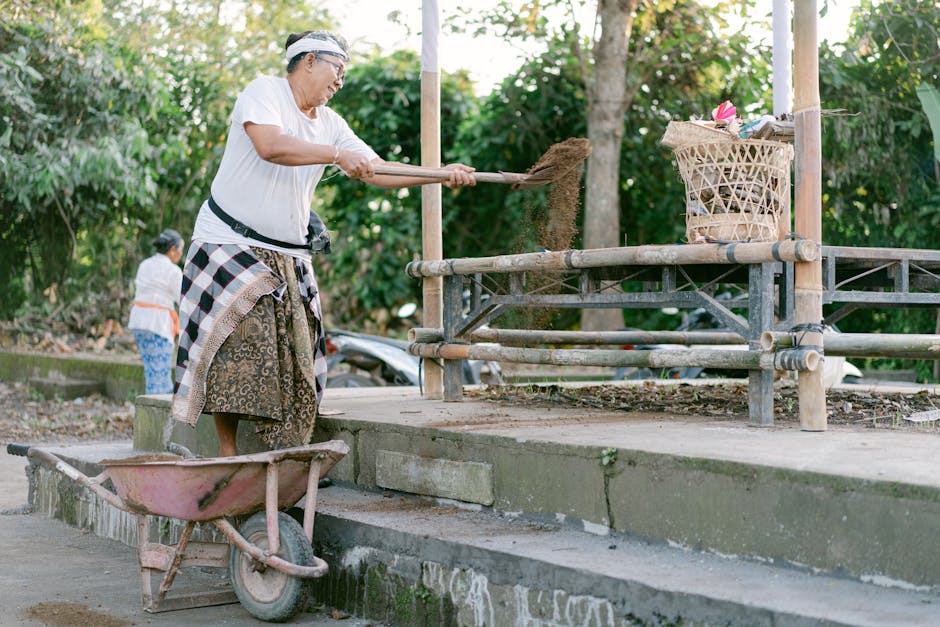
- Hindu ceremony culture unlike anywhere else in Indonesia — stay long enough and you’ll stumble into a village procession
Experiences unique to Thailand:
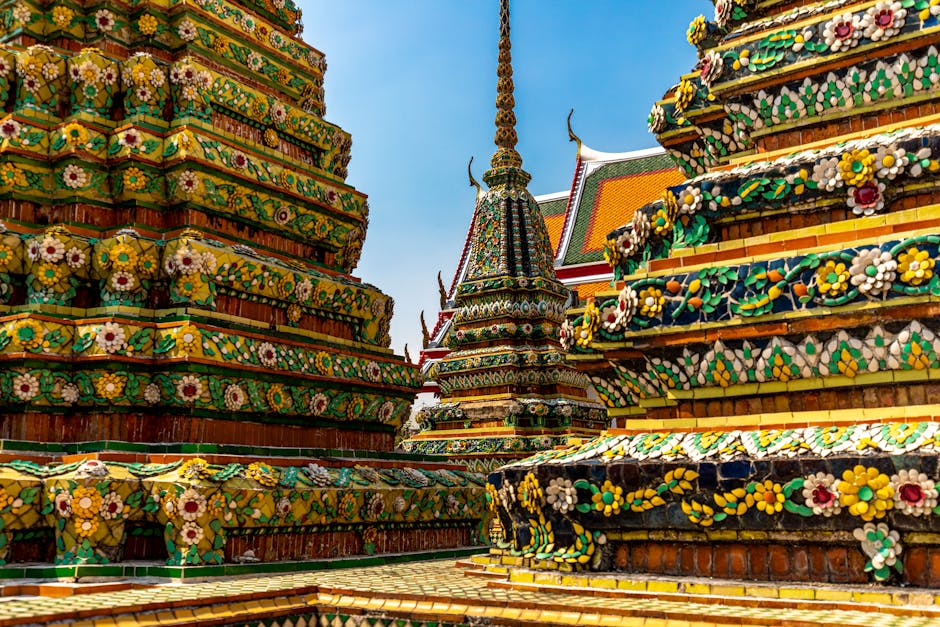
- Doi Suthep temple above Chiang Mai, with panoramic city views and gold-gilded pagodas (50 THB entry, 30-minute songthaew ride up the mountain road)
- Full Moon Party on Ko Pha-ngan — a massive beach party held monthly, a completely unique tourist phenomenon
- Pai — a small mountain town near Chiang Mai with a canyon walk, natural hot springs, and a bamboo bridge that most visitors never locate
- Ethical elephant experiences at Elephant Nature Park in Chiang Mai ($80–95 for a day visit — book two to three weeks ahead, it fills fast)
- Amphawa floating market near Bangkok — more authentic than Damnoen Saduak, weekend-only, and worth the 90-minute minibus from Bangkok
- Muay Thai training camps in Bangkok, Chiang Mai, or the islands — drop-in classes from $15–25 per session, no experience required
The Real Safety Picture for Solo Backpackers
Is Bali safe for solo female travelers?
Broadly, yes. Bali consistently ranks as one of the safer Southeast Asian destinations for solo female travelers. Street harassment is uncommon. The main risk is petty theft — phone snatching from scooters in busy areas like Kuta and Seminyak. A cross-body bag worn in front eliminates most of this exposure.
What are Thailand’s specific risks worth knowing?
Thailand is very safe overall, but two risks deserve direct mention. The first: tuk-tuk scams in Bangkok, where a “helpful” driver offers to take you somewhere for free and routes you through gem shops or tailor stores where he earns commission. The fix is simple — use Grab for city transport. Metered, tracked, honest.
The second: Thailand’s drug laws are extremely strict. Possession of small quantities can result in prison time. The Full Moon Party on Ko Pha-ngan has a reputation for widespread drug use among tourists, and police do conduct arrests there. Know the risk before you go.
What’s the biggest safety mistake first-timers make?
In Bali: renting a scooter with no prior riding experience and immediately joining busy road traffic. Spend 20 minutes practicing in a quiet side street first. It makes a real difference.
In Thailand: accepting drinks from strangers in Bangkok nightlife districts. Drink spiking does happen. Keep your drink in your hand.
Neither destination is dangerous for an alert traveler. Both reward basic situational awareness.
Best Time to Visit in 2026: The Timing Most Guides Get Wrong
Thailand’s March-to-May burning season in the north is a genuine problem that most travel listicles don’t mention at all. Farmers in northern Thailand and Myanmar burn fields during this window, and air quality around Chiang Mai can hit AQI readings above 200 — classified as hazardous. Check IQAir before planning any northern Thailand itinerary from February through May. If Chiang Mai is your goal, target November through January instead.
| Month | Bali | Thailand (North) | Thailand (South/Islands) |
|---|---|---|---|
| Jan–Feb | Wet season, fewer crowds | Cool and dry — best time | East coast rough, west coast excellent |
| Mar–May | Shoulder — solid value | Hot and smoky (burning season) | Good across both coasts |
| Jun–Aug | Peak season, dry, prices up | Rainy season, lush and green | West coast beaches best |
| Sep–Oct | Dry, shoulder crowds | Still wet in some areas | East coast storm risk |
| Nov–Dec | Wet season begins | Cool and clear — excellent | East coast good, west coast rainy |
Bali’s wet season (November–March) means afternoon downpours of an hour or two, not unrelenting all-day rain. Many travelers visit during wet season and enjoy it without issue. July and August, though, bring peak crowds — hostel rates jump 20–30%, Uluwatu is packed by 4pm, and surf school slots book out weeks ahead. For the best value-to-experience ratio, target Bali in April–June or September–October.
For Thailand overall, November through February is the sweet spot. The north is cool and clear, the full moon party calendar is active on Ko Pha-ngan, and both island coasts are navigable. If your plan is islands-only in the south, the west coast — Koh Lanta, Krabi, Phi Phi — runs best from November through April.
Who Should Pick Bali and Who Should Pick Thailand
Stop asking which is better. Ask which suits you.
Choose Bali first if:
- You’re flying from Australia. Bali from Sydney or Melbourne is significantly cheaper and shorter than Bangkok — sometimes half the airfare.
- Culture is your priority. Hindu temple ceremonies, rice terrace landscapes, and Ubud’s art and dance traditions are unlike anywhere else in Southeast Asia. Thailand simply doesn’t replicate this.
- You surf or want to learn properly. Kuta, Canggu, and Uluwatu have a mature surf school ecosystem with consistent swells that Thailand’s beaches don’t match at scale.
- You’re happy staying on one island for two to three weeks. Bali is compact enough to cover the south coast, Ubud, and Amed without constant transit or logistics fatigue.
Choose Thailand first if:
- Budget is genuinely tight. The $0 visa entry and lower daily costs add up to real savings over 14-plus days.
- You’ve never traveled solo before. Thailand’s tourist infrastructure — density of English-speaking staff, well-marked routes, strong hostel communities — makes it difficult to feel genuinely stranded. Selina Bangkok and Lub d (a Bangkok hostel mini-chain with a reliably social atmosphere) are both excellent entry points for first-time solo travelers looking for people to explore with.
- You want meaningful variety in a single trip. The Bangkok → Chiang Mai → Ko Samui → Ko Pha-ngan → Ko Tao route covers city life, mountain culture, and island beaches in three weeks without complicated logistics.
- You don’t ride a scooter and have no interest in learning on this trip. You can experience the best of Thailand entirely by train, minibus, Grab, and ferry.
For raw first-timer ease and value, Thailand is the more forgiving starting point. But if Bali’s cultural identity is what drew you to Southeast Asia in the first place, book it — it’s one of the most visually distinct places on the planet, and it delivers on that promise.