Consider this scenario: you’ve allocated four days for Porto, printed a list of must-see attractions from the top travel sites, and arrived to find the main viewpoints packed by 10am, the famous bookshop requiring tickets booked weeks in advance, and your hotel in Ribeira charging €35 per night more than the same quality room two neighborhoods over. This is the most common Porto experience — not because the city disappoints, but because most guides describe it in its best-case version rather than as it typically unfolds.
This guide presents Porto as it generally operates: realistic costs, which neighborhoods actually deliver on their descriptions, how the transport system works, and the itinerary errors that compound quickly.
Note: All prices reflect 2026 conditions and should be verified with official sources before travel. This is not legal advice — consult a licensed attorney for visa-related questions or travel insurance disputes.
When to Visit Porto (and the Months Most Guides Won’t Tell You to Avoid)
Porto sits on Portugal’s northwest Atlantic coast, which means rain is a realistic possibility in any month — not just winter. Most travel sources describe “shoulder season” as optimal. That assessment holds for some travelers and fails for others depending on what they’re actually seeking.
June Through August: High Season With Real Trade-offs
Summer in Porto typically runs 25–30°C, which is comfortable. Accommodation prices, however, are 40–70% higher than off-season rates. Livraria Lello’s timed entry slots (€7 per person, credited toward any purchase) book out days in advance. Ribeira embankment restaurants fill by 7pm. The city is not unpleasant in summer — it’s simply crowded in the dozen places every guide sends people.
Avoid July and August if you prioritize value and low-crowd access. The port wine lodges in Vila Nova de Gaia — Graham’s Lodge, Taylor’s, and Ramos Pinto — are all better experienced without tour bus timing pressure dictating your pace.
March Through May: The Window Most Visitors Should Target
Temperatures typically range 15–20°C. Rain remains possible but is less frequent than winter. Accommodation rates run 30–40% lower than peak. Livraria Lello tickets are generally available same-week. The Douro Valley — Porto’s most valuable day trip — is in flower during April, with cherry blossoms persisting through early May. For most travelers, this is the most defensible time to visit. The evidence for this is straightforward: better prices, manageable crowds, and the Douro at its most scenic.
October Through November: The Underrated Option
Harvest season in the Douro Valley runs September through October. If wine tourism is a priority, this matters significantly. October temperatures hover around 18–22°C. Tourist infrastructure is fully operational but at reduced pressure. Budget accommodation in this window typically runs €50–80 per night for a solid three-star hotel, compared to €90–140 in August for equivalent quality. For travelers who missed spring, October is the correct default.
| Month | Avg Temp (°C) | Rain Probability | Avg Hotel Cost (3-star) | Crowd Level |
|---|---|---|---|---|
| Jan–Feb | 10–14 | High | €45–65/night | Low |
| Mar–May | 15–20 | Moderate | €60–90/night | Moderate |
| Jun–Aug | 25–30 | Low | €90–140/night | High |
| Sep–Nov | 18–22 | Moderate | €55–85/night | Low–Moderate |
| December | 12–15 | Moderate–High | €50–75/night | Moderate (Christmas markets) |
Verdict: April or October. Both deliver the right temperature range, manageable crowds, and 30–40% savings on accommodation. Pick April if the Douro Valley is a priority. Pick October if harvest-season wine tastings are the goal.
Porto’s Neighborhoods: Where to Stay and What Each One Actually Delivers
Most first-time visitors default to Ribeira — the UNESCO-listed riverside district. This is understandable and also limiting if it’s your only frame of reference. Each neighborhood offers a materially different experience, and the price differences between them are significant enough to affect your overall budget.
Ribeira
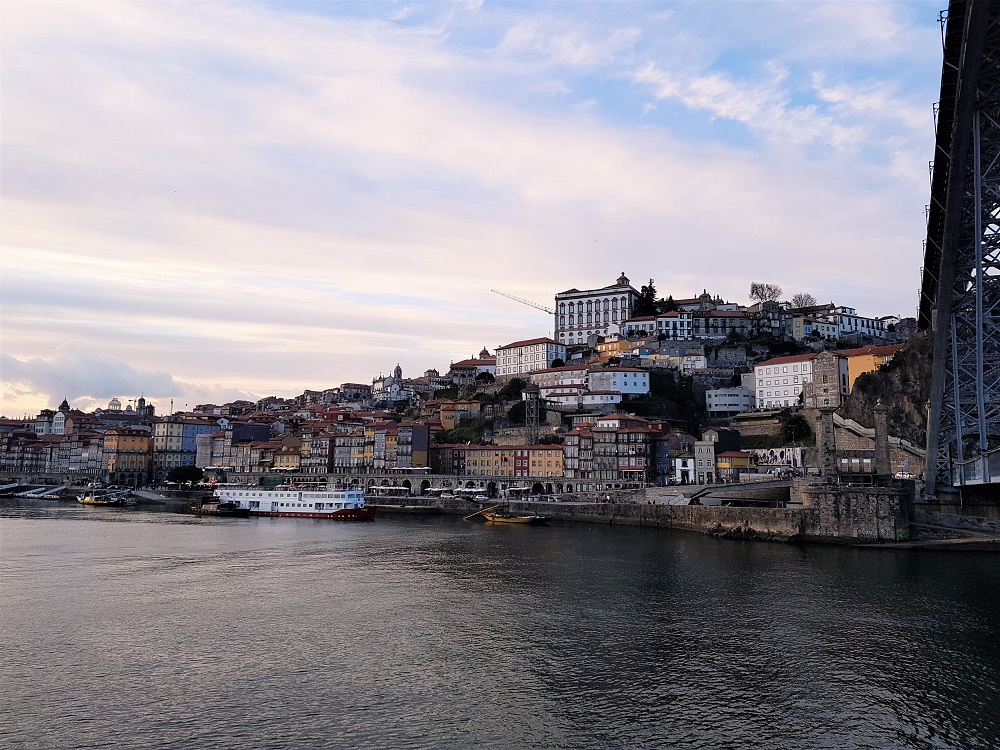
The postcard version of Porto. Azulejo tilework, narrow alleys, the Dom Luís I bridge overhead, wine cellars visible across the river in Vila Nova de Gaia. It’s genuinely atmospheric. It’s also the most expensive neighborhood to stay in (€90–160 per night for a decent double), the noisiest at night (riverside bars commonly run until 2am), and the most congested during peak hours. Stay here if the atmosphere justifies the premium. Don’t stay here if you’re budget-conscious or need quiet after 10pm.
Bonfim
The neighborhood most frequently cited by visitors returning to Porto after an initial tourist-track trip. Local restaurants, independent shops, meaningfully fewer tour groups. A 20-minute walk from Ribeira. Accommodation averages €55–90 per night. Rua de Passos Manuel runs through it and has some of the city’s more credible coffee spots, including Duas de Letra and several specialty roasters operating without tourist pricing.
Cedofeita
More residential, with a strong independent arts and retail character. The Rua de Cedofeita strip has bookshops, vintage clothing, and galleries. Further from the river (30+ minutes on foot), but well-connected by metro via the Lapa or Marquês stop on the D/Yellow line. Better suited to travelers planning to use transit heavily and preferring local-facing amenities over tourist-facing ones.
Vila Nova de Gaia
Technically a separate municipality across the Douro River, but functionally part of the Porto experience. Graham’s Lodge (tours from €15), Taylor’s Vintage Port (tours from €14), and Ramos Pinto are all here, along with river views at slightly lower accommodation rates than Ribeira. The trade-off: you’re south of the river and crossing the Dom Luís I bridge constantly. Works well if combining Porto with a Douro Valley train trip from Campanhã station.
Boavista
More business district than travel destination. The Casa da Música — a concert hall designed by architect Rem Koolhaas — is located here, with guided tours available for €10. Unless you’re staying a full week and want to move beyond tourist-facing Porto, Boavista typically doesn’t justify prioritization over Bonfim or Cedofeita for leisure travelers.
What Porto Costs: A Realistic Budget Breakdown
Porto is cheaper than Lisbon. It is not cheap by Eastern European standards, and has become significantly more expensive since 2019. The following figures reflect what most visitors typically spend in 2026.
| Expense Category | Budget Option | Mid-Range | Comfortable |
|---|---|---|---|
| Accommodation (per night) | €25–40 (hostel dorm) | €60–90 (3-star hotel) | €100–180 (boutique hotel) |
| Meals | €8–12 (tascas, lunch menus) | €18–30 per meal | €40–70+ per meal |
| City transport (Andante 24h) | €7.60 | €7.60 | €7.60 |
| Port wine lodge tour | €10–15 (basic) | €15–25 (standard) | €30–60 (premium tasting) |
| Douro Valley day trip | €13–18 (CP train return) | €60–90 (small group tour) | €180+ (private hire) |
| Museum and attraction entry | €0–5 (many are free) | €7–15 | €15–25 |
A realistic mid-range daily budget — hotel, three meals, one attraction, local transport — runs €80–130 per person in low season. In August, add 25–40%.
The Andante card (available at any metro station) covers metro, bus, tram, and some suburban rail. A 24-hour pass costs €7.60 and handles most tourist movement within the city. The historic tram (Line 22) is scenic but extremely slow — treat it as an attraction, not transport.
Food is where Porto consistently over-delivers. A francesinha — the city’s signature sandwich of cured meats, sausage, and steak covered in melted cheese and a beer-tomato sauce, typically served with fries — costs €10–14 at most traditional restaurants. Café Santiago on Rua de Passos Manuel is commonly cited as the benchmark version (€13, no reservation needed before 12:30pm). Taberna dos Mercadores and Tasca do Chico both offer full lunch menus (soup, main, dessert, and wine or water) for €12–15.
The Four Mistakes That Ruin First-Time Porto Trips
These are the errors that hotel staff, local guides, and experienced Porto visitors most frequently identify. None of them are obscure — they’re simply not emphasized enough in standard travel content.
- Not booking Livraria Lello in advance. The Art Nouveau bookshop on Rua das Carmelitas is one of Porto’s most photographed interiors. Entry requires a timed ticket (€7, redeemable against any purchase). In summer, available slots disappear 4–7 days ahead. Booking the day before arrival is routinely too late. Book it before you fly, not after landing.
- Treating the Douro Valley as optional. Porto is a city with a spectacular wine region attached to it. The Douro Valley — accessible by CP train from São Bento or Campanhã stations in 2–3 hours — is arguably the most scenic rail journey in Western Europe. Skipping it because time ran out is the most commonly expressed post-trip regret among returning visitors. Schedule it on day two or three, not as a last-minute addition.
- Staying exclusively on the tourist trail. Ribeira, Clérigos Tower, Lello, São Bento Train Station (the azulejo tile panels depicting Portuguese history are worth 30 minutes of close attention), and the Dom Luís I bridge — all worth seeing. But they’re not the complete picture. The Serralves Contemporary Art Museum (€12 entry, set in a 44-acre park) and the Foz do Douro oceanfront neighborhood show a city that doesn’t perform for tourists.
- Underestimating Porto’s hills. The city is built on granite. Comfortable walking shoes aren’t a preference — they’re necessary. The Elevador dos Guindais and Elevador da Batalha help on specific routes but don’t resolve the problem city-wide. Visitors who arrive underprepared typically spend day two managing blisters rather than sightseeing.
Getting Around Porto Without Getting It Wrong
Porto’s Metro do Porto operates six lines (A through F, color-coded). The most relevant tourist routes are the D/Yellow line (connecting Campanhã train station, Bolhão market, and the Aliados central area) and the E/Violet line, which connects Francisco Sá Carneiro Airport to the city center.
Is the Airport Metro Worth Taking?
Yes, for most arrivals. The E line runs from the airport to Bolhão (central Porto) in approximately 35 minutes. Cost: €2.60 one-way with an Andante card plus the zone surcharge. The default choice unless you’re arriving after midnight with heavy luggage — in that case, Uber or a metered taxi typically runs €22–30 to central Porto. Bolt is also active in Porto and generally prices 10–15% lower than Uber on comparable routes.
Which Areas Actually Require a Taxi or Uber?
Foz do Douro — the oceanfront neighborhood at the river mouth, where locals swim and the beach promenade runs for several kilometers — is poorly served by metro. Uber from Ribeira costs approximately €5–8. The Serralves Museum in Boavista is a 10-minute taxi ride from the center (€7–10) or a 20-minute metro-plus-walk combination. For Vila Nova de Gaia wine lodges, walk across the Dom Luís I bridge. The upper pedestrian deck is free, takes 10 minutes, and offers the best elevated view of both riverbanks.
Taking the CP Train to the Douro Valley: Practical Details
CP (Comboios de Portugal) regional service runs from Porto Campanhã east through the valley to Régua (approximately 2 hours, €13 one-way) and Pinhão (approximately 2.5 hours, €14.50 one-way). Pinhão is generally considered the more rewarding destination — smaller, more scenic, and located at the heart of the port wine production area. Book at cp.pt or at station ticket machines. Seats are not guaranteed on regional trains without a reservation, and popular summer departure times sell out. The 9:35am departure from Campanhã is commonly the most competitive; book it the same day you book Livraria Lello.
The single most important takeaway: Porto rewards preparation — book Livraria Lello before you land, schedule the Douro Valley early in your itinerary, and choose April or October over August unless crowds and premium pricing are acceptable variables.