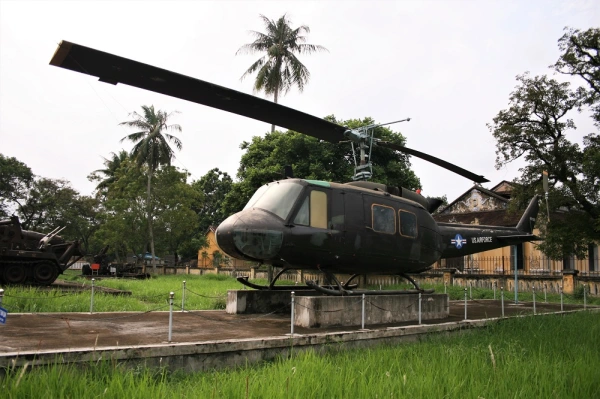
From awe-inspiring scenery to ancient ruined complexes, traditional temples and stark reminders of the Vietnam War, there’s lots to experience in Vietnam. Add to the mix, an incredibly friendly people, rich culture and tasty food, and it’s no wonder the country has become such a popular destination with travellers in recent years. Everyone I know who’s visited Vietnam seems to have done the traditional north to south route through the country – starting in Hanoi and finishing in Ho Chi Minh City. It’s the same route I took when I visited the country. So if you’re thinking of visiting Vietnam…
-
-
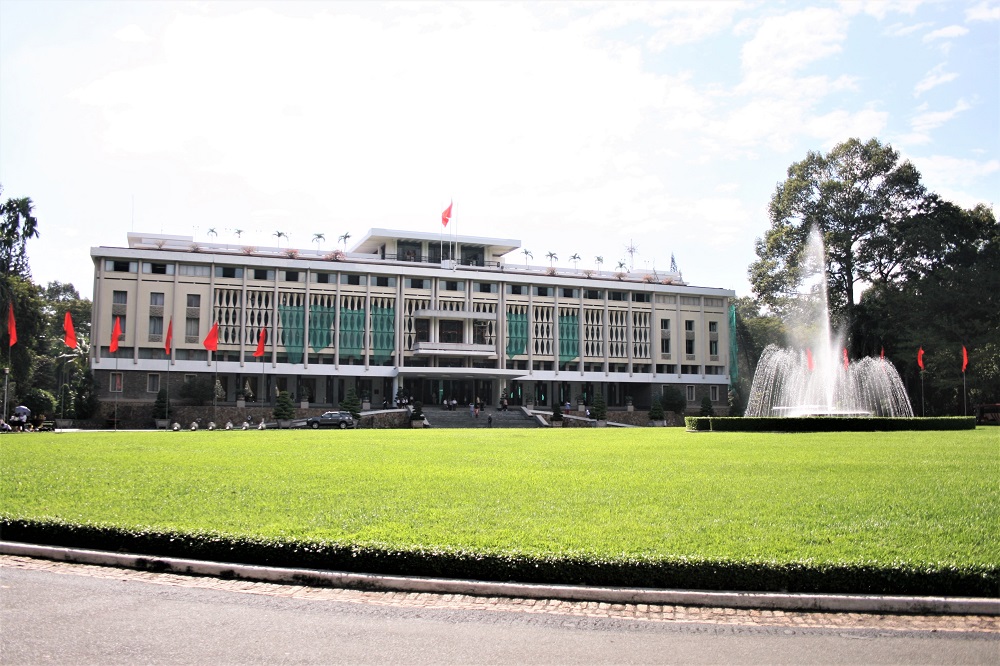
Just before lunch we headed to the Reunification Palace in the centre of Ho Chi Minh City. Home to the president of South Vietnam in 1975 when the North’s tanks came rolling in, it’s stood in a virtual time warp ever since. To get to the palace, we walked through the large pale grey gates surrounding it and past an immaculate round lawn where we headed up a flight of steps to the main entrance. Inside, the palace is home to ceremonial spaces, a banqueting hall, meeting rooms, seating areas, a dining room, screening room and even an indoor rockery.…
-
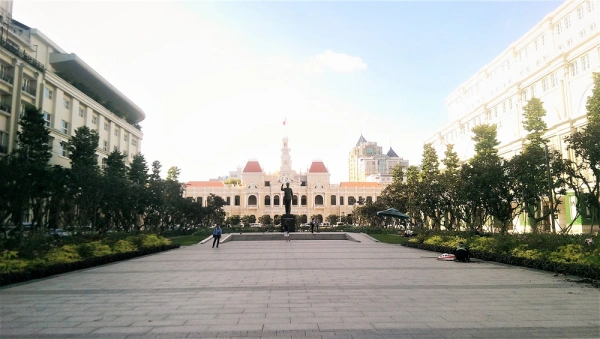
Ho Chi Minh City is Vietnam‘s financial capital. It’s also the country’s most global, most metropolitan city. Otherwise known as Saigon, the city is home to almost 8.5 million people. There’s a noticeable Western influence in the city centre, more so than in other parts of Vietnam, with coffee shops on street corners and a large shopping centre full of well-known high street brands. Our first stop was the Notre Dame Cathedral, an elegant 19th century French-style cathedral covered with red tiles. The cathedral was closed when we arrived, and while it was a shame we couldn’t go inside, it…
-
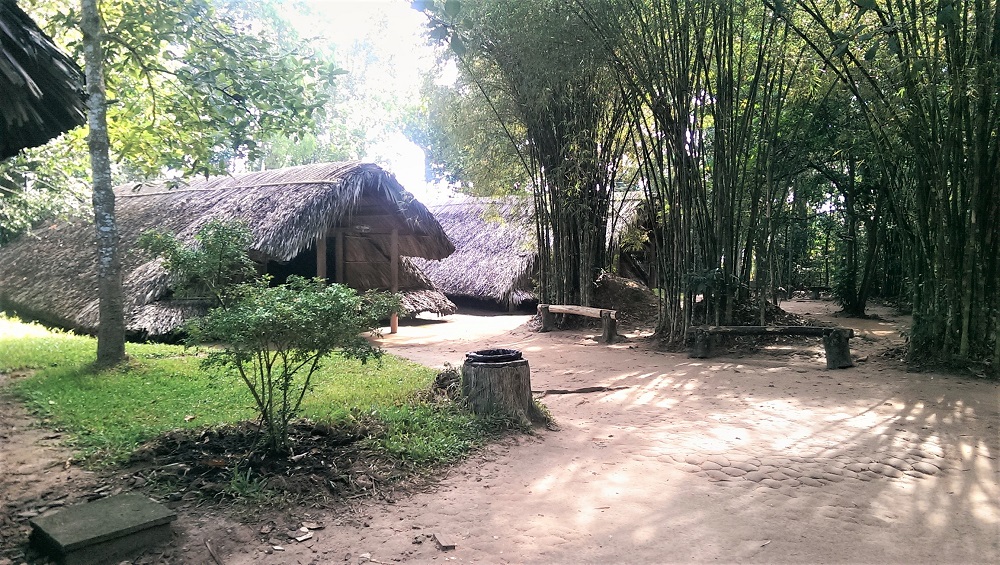
You’ve booked three nights in Ho Chi Minh City. Everyone says Cu Chi Tunnels is a must-do. So you sign up for a $12 group tour, spend 90 minutes on a bus, squeeze through a tunnel display for two minutes, sit through a grainy 1967 film, and spend the ride back wondering what the fuss was about. That’s the experience most visitors have. It doesn’t have to be yours. The Cu Chi network is genuinely extraordinary — 250 kilometers of underground passages dug by hand, stretching from the outskirts of Saigon to the Cambodian border. What makes it worth your…
-
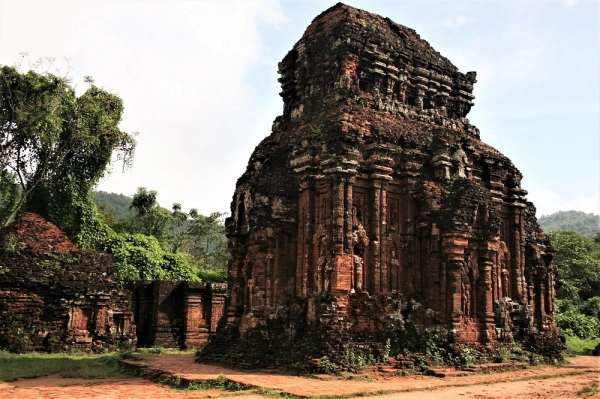
The Misconception That Ruins the Experience Most visitors arrive at My Son expecting Vietnam’s version of Angkor Wat. They leave disappointed — not because My Son failed them, but because that benchmark was always the wrong one. My Son is not a sprawling temple city. It’s a compact valley complex of Hindu brick towers built by the Cham civilization between the 4th and 14th centuries. At its peak, over 70 structures stood here. Then came August 1969 — a single round of B-52 bombing raids during the Vietnam War destroyed most of what 1,400 years of weathering had left intact.…
-
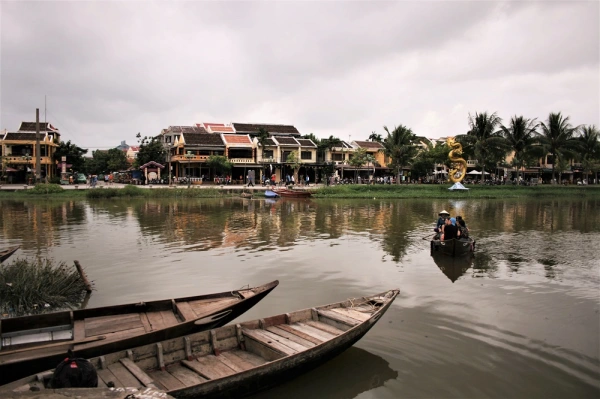
Are you wondering whether Hoi An lives up to the hype — or about to spend a week somewhere that peaked on Instagram three years ago? Fair question. The answer is complicated, so here’s the unsponsored version. This is not a sponsored post. No hotels, tour operators, or tourism boards paid for any of the opinions below. What Hoi An Actually Delivers Hoi An is a UNESCO World Heritage Site on Vietnam’s central coast, about 30 kilometers south of Da Nang. The Ancient Town is genuinely preserved 15th–19th century merchant architecture — not a reconstruction, not a theme park. That’s…
-
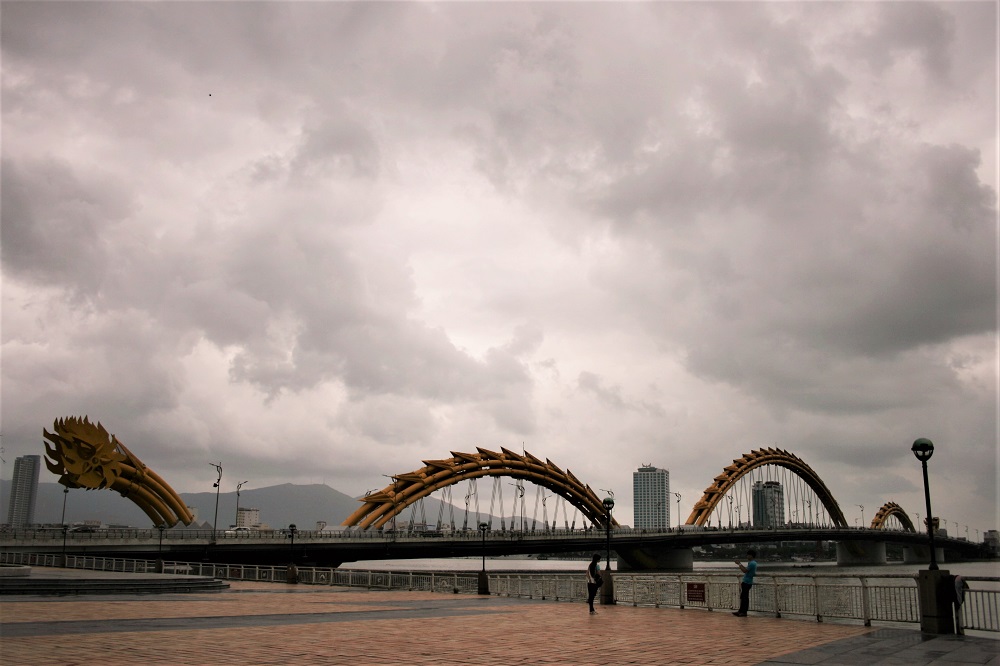
In March 1965, the first U.S. combat troops to enter Vietnam waded onto a beach that American soldiers would later call China Beach. That beach is now called My Khe, it sits inside a modern Vietnamese city of 1.2 million people, and five-star resorts line the same sand where helicopters once landed. Sixty years of reconstruction produced a city that most international travelers still treat as a layover point for Hoi An — which is, in most cases, a significant planning error. This is not professional travel advice — verify current entry requirements, visa conditions, and local travel advisories through…
-
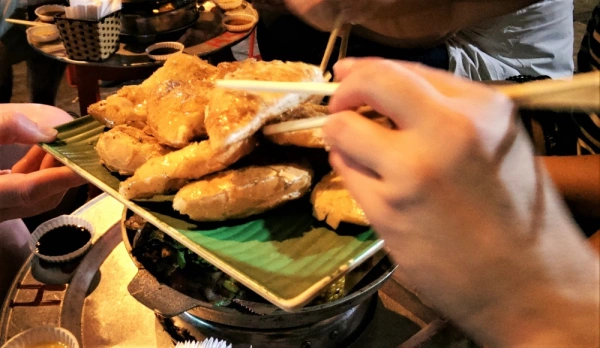
Most travelers land in Hanoi, order a bowl of pho on day one, and think they’ve covered Vietnamese food. They haven’t. Pho is one dish from one region in a country with 54 ethnic groups and over 3,000 kilometers of coastline. The food changes every few hundred kilometers — different ingredients, different flavor logic, completely different techniques. This guide covers what to actually eat, where to find the best versions, and how to avoid the watered-down, tourist-priced imitations that dominate most itineraries. Vietnamese Food Is Not What You Think Vietnam’s food divides into three regions that cook so differently they…
-
Alright, so you’ve just landed in Hue, maybe you’ve hit the Citadel, and now you’re thinking about exploring the countryside. You walk past a guesthouse, and there it is: a line of beat-up bicycles, handlebars askew, tires looking deflated, probably for a few bucks a day. You think, “Hey, it’s just a bike, right? How bad can it be?” Wrong. Dead wrong. If that’s your starting point, stop. This isn’t just about getting from A to B. It’s about experiencing Hue, really *feeling* the breeze through the paddy fields, finding those hidden pagodas, and not spending your afternoon sweating over…
-
Your second day in Hue is best spent immersing yourself in the city’s imperial past and natural beauty. The most impactful approach involves dedicating your morning to the Imperial City, choosing one significant tomb for your afternoon, and concluding with a serene Perfume River journey. This combination offers both depth and breadth without rushing the experience. Focusing Your Morning: Inside the Imperial City Citadel Do not attempt to ‘see it all’ within Hue’s Imperial City Citadel in a single morning. This sprawling complex, a UNESCO World Heritage site, demands focus. Its sheer size and the weight of its history mean…