I’ve seen it countless times. Someone comes to Cheltenham for a weekend, hits the main shops, maybe takes a quick photo at the Neptune Fountain, grabs an overpriced sandwich, and leaves thinking they’ve “done” it. Then they wonder why everyone raves about the place. Trust me, you’re missing the soul of this town if that’s your experience. After living here for years, I’ve seen exactly what trips up first-timers and how to avoid those pitfalls. It’s not about ticking off boxes; it’s about understanding the rhythm and knowing where to spend your energy. This isn’t a place you just skim. It demands a bit of insider knowledge to truly appreciate.
My goal here is to cut through the noise. Forget the generic travel brochures. I’m telling you what really works, what to prioritize, and what to steer clear of. You want to experience the real Cheltenham? I’ll show you how.
The Cheltenham Racecourse Experience: Don’t Go Blind
Look, the Cheltenham Racecourse is iconic. It hosts the Gold Cup, sure, and it draws massive crowds. But if you think you can just rock up and have a grand time without any prior thought, you’re in for a shock. Many first-timers assume it’s just about watching horses, placing a few bets, and soaking up the atmosphere. While that’s part of it, the sheer scale and the logistics can completely overwhelm you if you’re unprepared. I’ve seen people spend more time queuing for a drink or trying to figure out where to sit than actually enjoying the racing. It’s a spectacle, yes, but it needs a game plan.
The biggest mistake? Underestimating the crowds and the costs. A standard ticket for a major event like the Gold Cup can run you upwards of £85-£100, and that’s just entry. Food and drink inside are eye-wateringly expensive – expect £7 for a pint and £15+ for a basic meal. Don’t get me wrong, it’s an incredible atmosphere, but know what you’re getting into. If you’re not a die-hard racing fan, consider visiting during a less crowded, smaller meet to get a feel for the place. You’ll still get the thrill, but without the intense pressure.
Beyond the Betting: What to Really Expect
The Racecourse is a huge site. It’s not just the track; there are grandstands, hospitality areas, food stalls, and often live music. During the big festivals, it becomes a small city. My advice? Spend some time watching the horses in the Parade Ring before they race. You get to see them up close, and it’s fascinating. Then, if you’re keen on betting, download one of the major betting apps (like Paddy Power or Sky Bet) beforehand. Trying to place bets at the on-course kiosks during peak times is a nightmare, often involving long queues and missed races. Plus, the app often gives better odds and flexibility. Don’t feel pressured to bet big; a few quid on a long shot can add to the fun without breaking the bank.
Parking and Transport Hacks
If you’re driving to the Racecourse during a major event, you’re making a mistake. Parking is a nightmare, often costly (£10-£20) and miles from the gates. Seriously, don’t do it. Instead, park at one of the dedicated Park & Ride services if they’re operating, or better yet, take a bus or a taxi. From the town centre, Stagecoach buses run frequently, and during race days, special shuttle services are often put on. A taxi from the town centre might cost you around £10-£15, but it drops you right at the entrance. Book your return taxi in advance if you can, or prepare for a very long wait after the last race. Walking from town is an option if you’re energetic, but it’s a good 30-40 minute uphill trek.
Dress Code Realities
People often overthink the dress code. For the Gold Cup, you’ll see everything from full morning suits and elaborate hats to smart casual. My take? Aim for smart but comfortable. A jacket and tie for men, or a nice dress for women, is usually sufficient for the main enclosures. You don’t need to go all out unless you want to. However, leave the ripped jeans and trainers at home. It’s a slightly elevated occasion. More importantly, wear comfortable shoes. You’ll be standing and walking a lot, especially if you plan to explore different parts of the course. Those fancy heels might look great for an hour, but your feet will hate you by the end of the day.
Eating Out in Cheltenham: My Top Picks for Value
Cheltenham has some fantastic food, but it also has its share of overpriced, average places catering to a transient crowd. Don’t fall for the generic chain restaurants on the High Street if you want a real taste of the town. My preference is always for the independent spots, especially around Montpellier and The Suffolks. You get better quality, more character, and often, better value. Forget the idea that you need to spend a fortune to eat well here; it’s simply not true if you know where to look. I’ve had some of my best meals in places that wouldn’t even register on a typical tourist map.
Here’s a breakdown of my go-to areas and why:
| Area/Type | Typical Vibe | Average Price Range (per person, main & drink) | My Recommendation |
|---|---|---|---|
| Montpellier | Boutique, slightly upscale cafes & restaurants. Great for brunch. | £20-£35 | The Tavern (gastropub, great Sunday roast) or The Ivy Montpellier Brasserie (if you want a known brand, but be prepared for typical prices). For coffee and cake, try The Coffee Dispensary. |
| The Suffolks | Independent, quirky, relaxed. Excellent for evening dining. | £25-£45 | Daffodil (Art Deco cinema turned restaurant, fantastic for a special meal, book ahead). For more casual, The Stable (pizza and cider, usually £15-£20). |
| High Street / Town Centre | Chain restaurants, quick bites, some good pubs. | £15-£30 | Skip most chains. Instead, check out Flight Club Cheltenham for fun and sharing platters, or The Beehive (a proper local pub with good, honest food). |
| Cheltenham Farmers Market (Saturday) | Fresh local produce, street food stalls. | £5-£15 | Best for lunch on the go. Grab a gourmet sausage roll, a local cheese toastie, or international street food. Unbeatable value and quality. |
Casual Bites vs. Sit-Down Meals
If you’re looking for a quick, quality bite, head for a local deli or café. Places like Curious Cafe & Bistro offer fantastic sandwiches and light lunches without the fuss. Don’t underestimate the quality of a good pub lunch either; many traditional pubs like The Sandford Park Alehouse do excellent, reasonably priced food. If you want a proper sit-down dinner, especially on a weekend, you absolutely need to book ahead. The popular spots fill up fast, sometimes weeks in advance. Just turning up at 7 PM on a Saturday expecting a table at Daffodil or The Tavern is a recipe for disappointment.
Best Areas for Foodies
For me, the real food heart of Cheltenham is a toss-up between Montpellier and The Suffolks. Montpellier offers that sophisticated café culture and some excellent restaurants, while The Suffolks is more bohemian with a fantastic array of independent eateries. If you’re staying for a few days, try to experience both. The High Street has its merits for convenience, but for memorable food, venture a little further afield. Even the area around the Imperial Gardens has a couple of solid choices if you’re looking for pre-theatre dining.
Navigating Cheltenham’s Districts: Where to Actually Walk
One of the biggest joys of Cheltenham is its walkability. You can cover a lot of ground on foot, but it’s easy to get stuck in the obvious spots. Don’t just follow the crowds down the High Street. The town is laid out in a way that encourages exploration, with distinct districts each offering a different flavour. I always tell people to think of it as a series of connected villages, each with its own character. Missing one means missing a significant part of the Cheltenham experience.
- The Promenade and High Street Stretch: This is where most people start, and it’s fine for initial orientation. The Promenade is beautiful, lined with impressive Regency architecture and the famous Neptune Fountain. It leads directly to the Imperial Gardens, which are lovely for a stroll. The High Street itself is largely chain stores, but there are a few independent gems tucked away. Don’t linger here too long; use it as a pathway to more interesting areas.
- Montpellier and The Suffolks Vibe: This is where Cheltenham truly shines. From the Imperial Gardens, head south towards Montpellier. You’ll find elegant boutiques, artisan cafes, and independent restaurants housed in stunning stucco buildings. It’s incredibly charming. Continue further south, and you’ll enter The Suffolks. This area is more bohemian, with antique shops, art galleries, and some of the best independent eateries and pubs. Spend at least half a day just wandering these two areas. The atmosphere is completely different from the High Street – much more relaxed and unique.
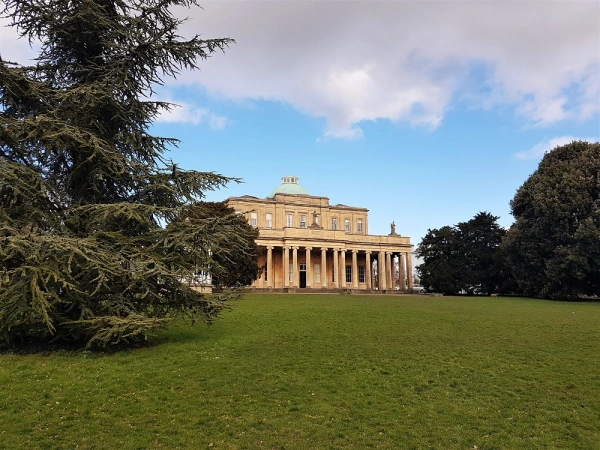
- Pittville Park’s Grandeur: Often overlooked by those sticking to the town centre, Pittville Park is a must-visit, especially on a sunny day. It’s Cheltenham’s largest ornamental park, home to the magnificent Pittville Pump Room. You can rent rowboats on the lake, let kids loose in the playgrounds, or simply enjoy a peaceful walk. It’s a pleasant 15-20 minute walk north from the High Street, or a short bus ride. The Pump Room itself is an architectural marvel and often hosts events. Don’t miss the opportunity to taste the spa waters – it’s an acquired taste, but a unique Cheltenham experience.
- Regent Street and North Place: This area, just off the High Street, is home to the Cheltenham Art Gallery & Museum, which is well worth an hour or two. It gives a great overview of the town’s history and has some interesting art collections. Nearby, you’ll find more independent shops and cafes, a nice alternative to the main retail drag.
Accommodation Choices: Skip the Big Chains
My simple verdict on accommodation in Cheltenham: don’t book a generic chain hotel. You’ll pay a premium for a bland experience that could be anywhere in the UK. Seriously, save your money. Cheltenham excels in its independent offerings. You want character, local knowledge, and a truly memorable stay? Look elsewhere.
The solution lies in Cheltenham’s fantastic selection of boutique hotels and bed and breakfasts. These places often occupy beautifully restored Regency townhouses, giving you a real sense of place. They usually offer a much more personalized service, better breakfast options using local produce, and often come with invaluable insider tips from the owners.
Why Local B&Bs Win
A good B&B owner knows the town inside out. They’ll tell you the best pub for a quiet pint, the hidden walkway to avoid traffic, or the specific time to visit a certain attraction to beat the crowds. You just don’t get that from a front desk agent at a major chain. Plus, the rooms often have more character, from period features to individually designed interiors. Expect prices for a quality B&B to be in the £90-£150 per night range, which is often comparable to, or even better value than, the standard chains for a far superior experience.
Location, Location, Location
When choosing, focus on areas like Montpellier, Imperial Square, or even some of the quieter streets leading off The Promenade. Staying near these areas means you’re within easy walking distance of the best restaurants, shops, and gardens. If you’re slightly further out, say near Pittville, ensure you’re happy with a longer walk or using local buses. While the Racecourse area has hotels, they tend to be pricier, especially during race season, and are a bit isolated from the main town attractions. My top pick for a central, quality stay would always be a boutique hotel or B&B within a five-minute walk of Imperial Gardens.
Festivals and Events: Timing Your Visit Right
When is the Jazz Festival?
The Cheltenham Jazz Festival typically takes place in late April or early May. It’s a huge event, drawing international artists and filling the town with music. If you’re a jazz fan, timing your visit for this is a no-brainer. However, be aware that accommodation prices spike, and popular restaurants get booked solid. You need to plan and book everything well in advance – think 6-9 months out for prime dates and venues. Don’t expect to just show up and grab tickets for headline acts; they sell out fast. Even if you don’t get tickets, there are often free performances in various venues around town, creating a fantastic atmosphere.
Is Literature Festival Worth the Crowds?
Absolutely, yes. The Cheltenham Literature Festival, usually held in early October, is one of the oldest and most prestigious literary festivals in the world. It brings together authors, poets, politicians, and celebrities for talks, debates, and readings. If you love books, ideas, and intellectual discourse, this is the time to visit. Again, it gets incredibly busy. The main festival site is centred around Montpellier Gardens, with various marquees and venues. Tickets for popular events go quickly, often within hours of release. My advice is to sign up for their mailing list to get early access to booking, and have a list of your must-see authors ready. Even if you only catch a couple of events, the buzz around town is infectious and makes it a truly special time to be here.
What About the Science and Music Festivals?
Cheltenham hosts a quartet of major festivals. Beyond Jazz and Literature, there’s the Science Festival (usually early June) and the Music Festival (typically early July). The Science Festival is surprisingly engaging, with interactive exhibits and talks that appeal to all ages, not just academics. The Music Festival focuses on classical and contemporary classical music, often featuring world-renowned orchestras and soloists in beautiful venues like the Town Hall or Pittville Pump Room. While these don’t draw quite the same volume of visitors as the Jazz or Literature festivals, they still create a lively atmosphere and can impact accommodation availability. If your interests lie in these areas, planning your trip around them offers a unique and enriching experience that you won’t find just anywhere.
Beyond the Town Centre: Hidden Gems Worth the Detour
Too many visitors stick strictly to the town centre and miss out on some truly spectacular spots just a short drive or bus ride away. Cheltenham is the gateway to the Cotswolds, and some of the best experiences lie slightly beyond its urban boundaries. Don’t limit your exploration to the immediate vicinity; a little venture outwards pays huge dividends in terms of views, history, and genuine English charm. These aren’t just secondary attractions; they’re essential parts of what makes a trip to this region so special.
Cleeve Hill: Views and Walks
Just a 15-minute drive or a manageable bus ride (Stagecoach D or E service to Cleeve Hill Golf Course, then a walk) from Cheltenham, Cleeve Hill is the highest point in the Cotswolds. The views are absolutely breathtaking, stretching across the Severn Valley, into Wales, and over the whole of Cheltenham. It’s perfect for a bracing walk, with several well-marked public footpaths. You can easily spend a couple of hours here, just soaking in the panoramic scenery. There’s a golf course at the top, and a pub, The Rising Sun, offering refreshments with a view. My personal recommendation: go for sunset. The colours over the valley are incredible. Wear sturdy shoes; it can be uneven underfoot.
Sudeley Castle: A Day Trip Essential
Located near Winchcombe, about a 25-minute drive from Cheltenham, Sudeley Castle is one of the most historically significant castles in the country. It’s the only private castle in England to have a queen buried in its grounds – Katherine Parr, Henry VIII’s last wife. The castle itself is stunning, with beautiful gardens that are meticulously maintained, including the award-winning Queen’s Garden. Allow at least three to four hours to explore everything. Entry usually costs around £18-£20 for adults, but it’s genuinely worth every penny for the history and beauty. There’s a good cafe on site too. This is a must for history buffs and garden enthusiasts. Public transport is less convenient, so a car or taxi is best.
Broadway Village: Cotswold Charm Nearby
If you want to experience a quintessential Cotswold village without straying too far, Broadway is your answer. It’s about a 30-minute drive north of Cheltenham. Often called the ‘Jewel of the Cotswolds’, Broadway lives up to its name with its wide main street lined with honey-coloured stone buildings, art galleries, independent shops, and excellent pubs. Take a walk up to Broadway Tower for more incredible views. It’s a fantastic spot for lunch and a leisurely afternoon stroll. While it can get busy, especially on weekends, it retains its charm. I usually pair a visit here with Sudeley Castle, making for a perfect day out in the wider region.
Public Transport vs. Walking: What’s Worth It?
Navigating a new town can be daunting, and Cheltenham offers a mix of options. My firm belief is that for 90% of your time, walking is not just viable but preferable. It’s how you truly discover the town’s character. However, there are definite scenarios where public transport saves the day. Don’t just assume you need a car or can walk everywhere; understand the practicalities.
Walking: The Best Way to See Cheltenham
- For Central Attractions: The Promenade, Montpellier, The Suffolks, Imperial Gardens, the Town Hall, and even the Art Gallery & Museum are all easily walkable from each other. Most accommodations in the central area will place you within a 10-15 minute stroll of these key spots.
- Pace and Discovery: Walking lets you notice the small details – the intricate ironwork on a Regency balcony, a hidden alleyway with an independent shop, or a charming pub you’d otherwise miss. This is where the magic happens.
- Footwear is Key: I cannot stress this enough. Wear comfortable shoes. The pavements are generally good, but you’ll cover miles if you’re exploring properly.
- Time Commitment: Allow ample time. Don’t rush. A walk from The Promenade to Pittville Park, exploring as you go, can easily take an hour.
Buses: When They Make Sense
- To Pittville Park: If you’re tired or have young children, catching a local Stagecoach bus (numbers A, B, C typically) from the High Street to Pittville Park is smart. It’s a short journey, saving you a 20-25 minute walk uphill.
- To the Racecourse: As I mentioned earlier, for major events at the Racecourse, the bus (or dedicated shuttle) is by far the most sensible option. It avoids traffic and parking headaches.
- Further Afield: For places like Cleeve Hill, while you can drive, some bus services (like the D or E routes) can get you close, offering a budget-friendly alternative if you don’t have a car. Always check the Stagecoach website for current timetables and routes.
- Cost: A single bus fare in Cheltenham is usually around £2.50-£3, and day tickets are available for around £5-£6, making them economical for multiple journeys.
Ultimately, embrace walking for the core experience, but don’t be afraid to hop on a bus for longer distances or when time is short. It’s about combining both to get the most out of your visit.