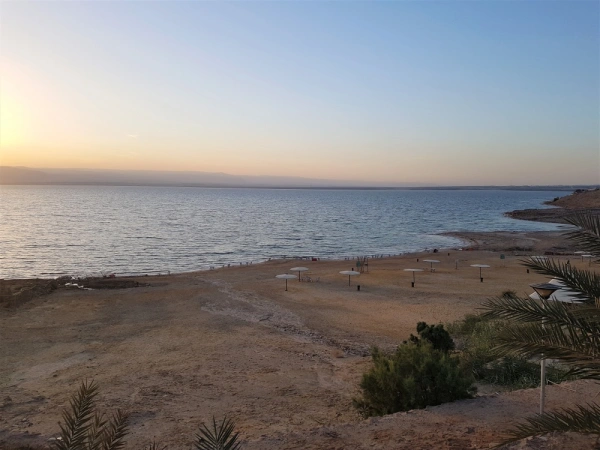
Many travelers planning a trip to the Dead Sea make one critical mistake: they assume it’s just a quick stop for a photo and a float. They show up unprepared, expecting any access point will do, and often leave feeling underwhelmed or even uncomfortable. The truth is, a truly amazing Dead Sea experience requires some specific, practical planning. This guide cuts through the noise, giving you the exact steps and details you need to make your visit safe, enjoyable, and unforgettable.
Debunking the ‘Just Float’ Myth: Essential Pre-Trip Prep
The Dead Sea is famously salty, allowing effortless buoyancy. But that salt is also incredibly potent. Going in without the right preparation can lead to stinging eyes, irritated skin, and a generally uncomfortable experience. Don’t let a lack of planning ruin your chance to experience this natural wonder. Think of it as preparing for a highly concentrated saline bath, not a typical ocean swim.
What to Pack for the Salt
Your packing list for the Dead Sea needs to go beyond your standard swimsuit. Crucially, bring an old swimsuit. The high mineral content can bleach or stain new fabric, so choose one you don’t mind getting a little discolored. For footwear, water shoes are non-negotiable. The seabed can be uneven, rocky, and covered in sharp salt crystals, making walking barefoot painful and risky. A wide-brimmed hat and sunglasses are also essential, as the sun’s reflection off the water and salt is intense.
Protecting Your Skin and Eyes
Before you even dip a toe, apply a generous amount of waterproof sunscreen. The sun at the Dead Sea, especially during peak hours (10:00 AM to 4:00 PM), is incredibly strong, amplified by the reflection. Once in the water, resist the urge to splash. Getting Dead Sea water in your eyes is an intensely painful experience, often described as a burning sensation. If it happens, immediately flush your eyes with fresh water, which is why having a water bottle or being near a shower is vital. Avoid shaving any body parts within 24 hours of your visit; small cuts or nicks will sting aggressively in the salty water.
Water Bottle and Towel Essentials
Beyond sun protection, staying hydrated is key due to the desert climate. Bring a large, insulated water bottle filled with fresh water. You’ll need it for drinking and potentially for an emergency eye rinse. For after your float, pack at least two towels: one for drying off and another, perhaps a darker one, to clean off any lingering mud or salt before you fully shower. Many facilities offer showers, but your personal towel strategy saves time and keeps your main towel cleaner.
Choosing Your Dead Sea Access Point: Public vs. Resort Beaches
The biggest decision for your Dead Sea experience is where you’ll actually enter the water. This choice impacts cost, amenities, and overall convenience. There’s a significant difference between public beaches and resort-affiliated options, and understanding these distinctions is crucial for a smooth trip. Don’t just pick the first spot you see on a map; evaluate what each offers based on your priorities.
| Feature | Public Beaches (e.g., Ein Bokek) | Resort Day Passes (e.g., Crowne Plaza Dead Sea) | Private Beaches (e.g., Neve Midbar) |
|---|---|---|---|
| Cost (2026 est.) | Free | $30 – $60 USD per person | $20 – $35 USD per person |
| Showers | Basic cold water, sometimes limited | Full hot/cold showers, changing rooms | Basic to good, usually outdoor cold |
| Mud Access | Natural mud often available near water, unofficial | Designated mud stations with treated mud | Natural mud often available, unofficial |
| Lockers | Few or none, security concerns | Secure, individual lockers provided | Basic lockers, often coin-operated |
| Shade/Chairs | Limited or pay-for-use, bring your own | Plentiful lounge chairs and shaded areas | Some shade structures, basic chairs |
| Food/Drink | Street vendors, nearby cafes (can be a walk) | Full restaurant/bar service, pool access | Small kiosk, limited options |
| Crowd Level | Can be very crowded, especially weekends/holidays | Generally less crowded, more relaxed | Moderate, often a more local feel |
| Accessibility | Can be a longer walk from parking | Direct access from hotel facilities | Often direct parking near beach |
| Overall Vibe | Lively, budget-friendly, often local families | Relaxed, comfortable, full amenities | More rustic, laid-back, fewer frills |
Verdict: For budget-conscious travelers prioritizing just the float, Ein Bokek Public Beach is unbeatable. However, for a comfortable, amenity-rich experience with secure facilities and prepared mud, a resort day pass is the clear winner, especially if you plan to spend more than a couple of hours. Neve Midbar offers a middle ground, providing some facilities for a fee without the full hotel luxury.
Navigating Dead Sea Mud & Mineral Products: What’s Worth It?
The Dead Sea isn’t just about floating; it’s a global hub for mineral-rich skincare. From mud masks to salt scrubs, the market is saturated. Knowing what to look for and what to avoid ensures you’re investing in authentic, beneficial products rather than overpriced souvenirs. The key is understanding the source and processing.
Authentic Dead Sea Mud Sources
Genuine Dead Sea mud is typically a dark, mineral-rich clay harvested from the seabed. When looking for raw mud on the beach, you’ll often find it in darker patches. Applying this directly is a common, free experience at public beaches. However, for packaged products, ensure they explicitly state they use 100% pure Dead Sea mud. Reputable brands process this mud to remove impurities and ensure it’s safe for cosmetic use, often enriching it further with other Dead Sea minerals. Be wary of generic ‘mineral mud’ products without clear origin claims.
Mineral-Rich Skincare Brands
Several well-known brands specialize in Dead Sea mineral products. Ahava is arguably the most recognized, offering a wide range of skincare, body care, and hair care products utilizing Dead Sea minerals and mud. Their formulations are often clinically tested and widely available in stores and duty-free shops, making them a reliable choice. Another prominent brand is Premier Dead Sea, known for its luxury skincare lines, often incorporating more complex mineral blends and anti-aging ingredients. When evaluating these brands, check ingredient lists for high concentrations of Dead Sea water, mud, or salt extracts. Smaller, local brands can also be excellent, but always ensure they have clear ingredient transparency.
Avoiding Tourist Traps
The Dead Sea area, like many tourist destinations, has its share of shops peddling questionable products at inflated prices. Here’s how to avoid them: First, be skeptical of products with vague descriptions or no clear ingredient list. If a product claims to be ‘miracle mud’ but doesn’t name its origin or active ingredients, skip it. Second, compare prices. A small tub of processed Dead Sea mud from a reputable brand like Ahava might cost around $15-$25 USD (2026 pricing estimate) in a designated store, while an unmarked equivalent from a roadside stall could be similar but lack quality control. Third, avoid pressure sales tactics. Take your time, research brands, and make informed choices. The best products often come from established shops within major hotel complexes or dedicated brand stores, not necessarily the first vendor you encounter on a public beach.
Beyond the Float: Day Trip Add-ons to Maximize Your Experience
While the Dead Sea float is the main event, the surrounding region is rich with history, nature, and adventure. Integrating a day trip or two can transform your visit from a single curiosity to a comprehensive cultural and natural exploration. These add-ons are easy to plan and significantly enhance the overall value of your journey.
- Masada Sunrise Hike Details:
- For an unforgettable experience, wake early and head to Masada National Park. The ascent via the Snake Path takes approximately 45-60 minutes, starting about 90 minutes before sunrise. The entrance fee for Masada is typically around 29 NIS (approx. $8 USD) for the path only. If you opt for the cable car, which operates from 8:00 AM onwards, the cost is higher, around 76 NIS (approx. $21 USD) for a round trip. The reward is breathtaking panoramic views over the Dead Sea and the Jordanian mountains, coupled with a powerful historical narrative of King Herod’s palace-fortress and the Jewish rebels’ last stand. Wear sturdy hiking shoes and bring at least 1-2 liters of water per person.
- Ein Gedi Nature Reserve Guide:
- A stark contrast to the barren Dead Sea landscape, Ein Gedi Nature Reserve is a lush oasis with springs, waterfalls, and diverse wildlife. It’s an ideal spot for a refreshing hike and a dip in natural pools. Entry is around 28 NIS (approx. $8 USD). Plan for 2-4 hours to explore the various trails, such as the Nahal David trail, which leads to waterfalls and offers a chance to spot ibex and rock hyraxes. Bring sturdy walking shoes, swimwear for the pools, and plenty of water. Pack a picnic lunch to enjoy amidst the greenery.
- Qumran Caves Exploration:
- History buffs should not miss Qumran National Park, the archaeological site where the Dead Sea Scrolls were discovered. Located just north of Ein Gedi, Qumran offers a fascinating glimpse into the Essene community that lived here over 2,000 years ago. The entrance fee is around 29 NIS (approx. $8 USD). Allow 1-2 hours to explore the ruins, including the scriptorium, dining hall, and water system, and to view the cave where the first scrolls were found. An audio guide or a guided tour (often available through tour operators) greatly enhances the visit, providing context to the ancient texts and the community’s life.
Budgeting for Your Dead Sea Trip: Expected Costs and Smart Savings
A trip to the Dead Sea doesn’t have to break the bank, but understanding the typical expenses will help you plan wisely. My clear position is this: prioritize convenience for your Dead Sea access, then look for savings elsewhere. A good experience at the water’s edge makes all the difference.
Transportation Options and Prices
The most flexible option is renting a car, which costs approximately $40-$70 USD per day (2026 estimate), plus fuel. This allows you to explore multiple sites and choose your preferred Dead Sea access point. For budget travelers, public buses (like Egged in Israel) connect major cities to the Dead Sea area. A one-way bus ticket from Jerusalem to Ein Bokek typically costs around 40-50 NIS (approx. $11-$14 USD). While cheaper, buses operate on a schedule, which limits flexibility, especially for sunrise hikes or multiple stops. Factor in taxi costs if your accommodation is not directly on a bus route or if you need to reach remote sites after bus hours.
Accommodation Choices by Budget
If you plan to stay overnight, hotels in Ein Bokek range from mid-tier options like the Leonardo Inn Dead Sea (approx. $120-$180 USD per night) to luxury resorts like the Isrotel Dead Sea Hotel (approx. $250-$400 USD per night). For significant savings, consider staying in Arad, a nearby town in the desert, where guesthouses and B&Bs average $80-$130 USD per night. This requires daily driving to the Dead Sea (about 30 minutes) but offers substantial savings on lodging. Alternatively, some kibbutzim (e.g., Ein Gedi Country Lodge) offer unique lodging experiences around $150-$250 USD, blending nature and comfort.
Meal Planning and Costs
Food costs can quickly add up. A casual meal at a Dead Sea resort restaurant can be $25-$40 USD per person. For more budget-friendly options, pack your own snacks, sandwiches, and drinks. There are small supermarkets in Ein Bokek where you can buy groceries. Preparing your own food can reduce daily meal expenses to $10-$15 USD per person. Even better, bring a portable cooler. This allows you to store cold drinks and sandwiches for the beach, avoiding expensive kiosk purchases.
Preparing for the Dead Sea isn’t just about packing a swimsuit; it’s about making informed choices. By taking these practical steps, your visit will be more than just a float; it will be a well-orchestrated adventure, leaving you with lasting memories and revitalized skin. The future of travel to this unique destination means prioritizing conscious preparation, ensuring its wonders remain accessible and enjoyable for generations to come.