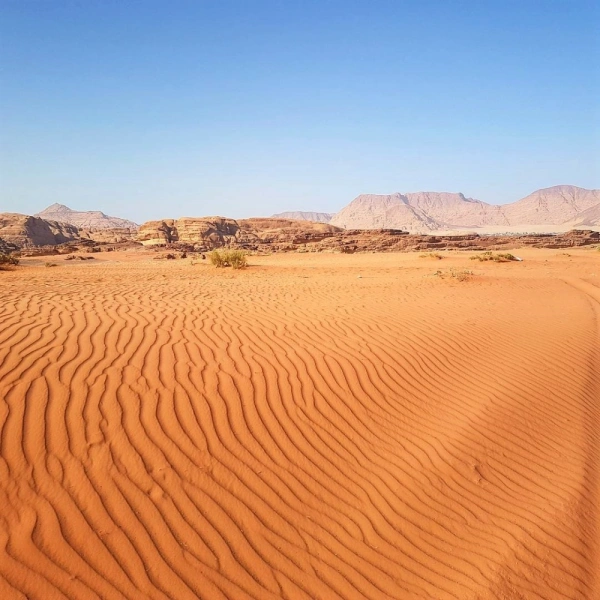
Many travelers see Aqaba as merely a gateway – a brief stop before heading to the iconic deserts of Wadi Rum or the ancient city of Petra. This common misconception often leads visitors to overlook the city itself. They imagine a dusty port town with little to offer beyond basic transit. I’ve heard it countless times: "We just landed, then grabbed a taxi straight out." This perspective misses a genuinely vibrant city, one with its own unique history, stunning marine life, and a distinct Red Sea charm that absolutely deserves more than a drive-through.
Aqaba is Jordan’s only coastal city, a strategic port with thousands of years of history. Its warm waters are home to some of the most vibrant coral reefs in the world, easily accessible from public beaches or dedicated marine parks. The city center buzzes with local markets, authentic eateries, and historical sites that tell tales of Mamluk rulers and early Islamic conquests. Instead of treating it as a fleeting stop, consider how even a few hours can transform into a memorable part of your Jordanian adventure.
Stop Underestimating Aqaba’s Charm
It’s easy to dismiss Aqaba as just another port city, but that’s a mistake. Aqaba holds a distinctive appeal that sets it apart, blending historical depth with breathtaking natural beauty. Its unique position on the Red Sea gives it an advantage most other Jordanian cities lack. You get immediate access to warm, clear waters teeming with marine life, right alongside a bustling city center.
The city’s allure comes from its layered identity. You can walk through markets that feel centuries old, then step onto a modern promenade overlooking luxury yachts. It’s a place where you can dive among vibrant corals in the morning and explore ancient ruins in the afternoon. This dual nature, coastal relaxation combined with urban exploration, is often overlooked by travelers focused solely on Jordan’s inland wonders.
The Red Sea Advantage: What Makes Aqaba Special
The Red Sea is, without question, Aqaba’s crown jewel. The waters here are remarkably clear and consistently warm, making them perfect for year-round marine activities. What truly makes Aqaba stand out is the accessibility of its coral reefs. Unlike some dive destinations that require lengthy boat trips, many of Aqaba’s best snorkeling and diving sites are just a short drive from the city center, or even directly off accessible beaches. The Aqaba Marine Park, for example, is a protected area stretching south of the city. Here, you’ll find healthy coral gardens, diverse fish species, and even some fascinating wreck dives like the Cedar Pride ship or the C-130 Hercules plane, deliberately sunk to create artificial reefs. The marine life includes everything from colorful parrotfish and clownfish to sea turtles and occasional dolphins. This natural aquarium is easily one of the best in the Middle East, offering world-class experiences without the crowds often found in more famous Red Sea destinations.
Beyond the Beaches: Aqaba’s Historical Layers
While the Red Sea often gets the spotlight, Aqaba’s history is equally compelling. The city has been continuously inhabited for thousands of years, serving as a critical trade route and military outpost for various empires. One prominent site is the Aqaba Fort, a Mamluk-era fortress built in the 16th century. It played a significant role in the Great Arab Revolt, famously captured by T.E. Lawrence (Lawrence of Arabia) and Arab forces in 1917. Walking its grounds, you can almost feel the echoes of history. Nearby, the remains of Ayla, an early Islamic city founded in the 7th century, offer a glimpse into one of the earliest Islamic settlements outside the Arabian Peninsula. These ruins, though less dramatic than Petra, provide crucial archaeological insights and show Aqaba’s importance through different eras. Its past isn’t just a footnote; it’s a rich tapestry woven into the fabric of the modern city.
Navigating Aqaba: Your Best Transport Options
Getting around Aqaba is straightforward, arriving from the airport, the port, or simply exploring the city center. Understanding your transport choices upfront saves time and avoids common tourist pitfalls. The city itself is quite compact, especially the downtown area, which makes walking a viable and often pleasant option for shorter distances. For anything beyond a 15-minute stroll, or for reaching sites further south along the coast, you’ll need wheels.
Airport to City Center: Pricing and Time Estimates
- King Hussein International Airport (AQJ) to Aqaba City Center: The airport is located about 15-20 kilometers north of the city.
- Taxi: The most common and convenient option. Official airport taxis have fixed prices, which can range from 15-20 Jordanian Dinars (JOD) depending on the exact destination and time of day. The ride usually takes around 20-25 minutes. Always confirm the price before you start the journey.
- Ride-Hailing Apps: Careem operates in Aqaba and can be a slightly cheaper alternative, often costing 12-18 JOD for the same route. Ensure you have a local SIM card or reliable Wi-Fi to use the app upon arrival.
- Shuttle Services: Some hotels offer airport shuttle services, which might be complimentary for guests. Check with your accommodation in advance.
Ride-Hailing vs. Street Taxis: What to Expect
- Careem (and occasionally Uber): These apps offer transparent pricing and you don’t need to haggle. The cars are generally newer and air-conditioned. It’s often the preferred choice for convenience and avoiding language barriers when negotiating fares.
- Street Taxis: Readily available throughout the city. Most taxis are yellow. While they have meters, drivers often prefer to agree on a price upfront, especially for tourists. For short rides within the city center, expect to pay 2-4 JOD. For longer trips along the coast to, say, Tala Bay, prices might range from 7-10 JOD. Always negotiate the price before getting in. If a driver refuses to use the meter, find another taxi. For a ride from the main bus station (JETT Bus terminal) to a downtown hotel, expect around 3 JOD.
Renting a Car: When It Makes Sense
Renting a car in Aqaba makes sense primarily if you plan to take day trips to Wadi Rum or Petra and prefer the flexibility of self-driving. Rental agencies like Hertz, Avis, and local companies are available at the airport and in the city. Prices vary widely but generally start around 30-45 JOD per day for a compact car. Fuel is relatively inexpensive in Jordan. Driving within Aqaba itself is manageable, but parking can be tight in the busiest downtown areas. For purely exploring Aqaba, a rental car is usually unnecessary and potentially more hassle than it’s worth, given the city’s walkable core and accessible taxis.
Maximizing a Half-Day in Aqaba’s City Center
Even with limited time, you can experience the best of Aqaba’s city center without feeling rushed. The core attractions are relatively close, making a walking tour efficient and enjoyable. Start early to avoid the midday heat and the peak crowds. A good half-day itinerary (approximately 4-5 hours) allows for a mix of history, culture, and local flavor.
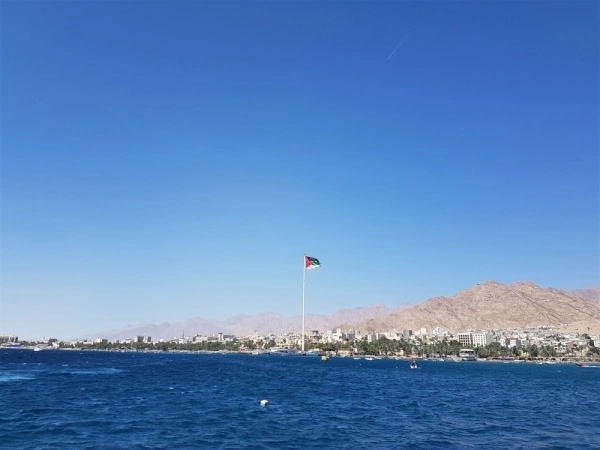
Begin your exploration near the waterfront. The Aqaba Flagpole Plaza is an excellent starting point. This towering flagpole holds the distinction of being one of the tallest free-standing flagpoles in the world, flying the flag of the Great Arab Revolt. It’s a symbolic spot, offering panoramic views of the city, the Red Sea, and the neighboring countries of Israel and Egypt across the Gulf. From here, the historical Aqaba Fort is just a short walk away. Allow yourself about an hour to explore the fort, read the informational plaques, and imagine its storied past. Entry to the fort is typically free or a nominal fee, often included if you have the Jordan Pass. The adjacent Archaeological Museum, housed in the former residence of Sharif Hussein bin Ali, offers further insights into the region’s ancient history, displaying artifacts from various periods, including Roman and Islamic eras. It provides context to the city’s long and often overlooked importance.
After immersing yourself in history, head inland a few blocks to dive into the vibrant local souk (market). This is where Aqaba truly comes alive with local commerce. The souk is a sensory experience: the aroma of spices, the chatter of vendors, and the kaleidoscope of goods on display. You’ll find everything from traditional Jordanian sweets, fresh produce, and local handicrafts to clothing and souvenirs. Bargaining is expected and part of the fun, but always be respectful and friendly. Look for unique items like local dates, aromatic coffee, or intricately woven textiles. This area is also excellent for people-watching and getting a feel for daily life in Aqaba. Many small cafes here offer strong Arabic coffee or refreshing mint tea, perfect for a short break. A walk through the souk usually takes 1-1.5 hours, depending on your interest in shopping and exploring side alleys.
Finally, make your way back towards the waterfront for some relaxation and a taste of the Red Sea. While the main Al-Ghandour Beach in the city center is a public beach, it’s generally more for strolling and enjoying the views than for swimming, though some locals do take a dip. For a more traditional beach experience with amenities, consider a short taxi ride (around 10-15 minutes, 5-7 JOD) south to one of the private beach clubs, such as Berenice Beach Club. These clubs offer clean facilities, sun loungers, swimming pools, and direct access to snorkeling spots for a daily entrance fee (typically 15-25 JOD). They provide a comfortable way to enjoy the Red Sea’s clear waters if you want to swim or relax without the bustle of the city center. Even if you don’t opt for a private club, a walk along the promenade at sunset is a must, watching the changing colors over the Gulf of Aqaba.
Deep Dive into Aqaba’s Red Sea Activities
What are the best snorkeling spots?
Aqaba boasts incredibly accessible and vibrant snorkeling opportunities. The best areas are generally south of the city center, within the Aqaba Marine Park. The Japanese Garden is a prime example, known for its pristine corals and abundant marine life. It’s shallow enough for snorkelers to get a fantastic view of the reefs. Another excellent spot is the area around the Cedar Pride wreck, where the sunken ship now acts as an artificial reef, attracting a huge variety of fish. While the wreck itself is deeper, the surrounding coral gardens are perfect for snorkelers. Many local tour operators, like Sinai Divers Aqaba or Deep Blue Dive Center, offer snorkeling excursions by boat, typically for around 25-40 JOD per person for a half-day trip including equipment. If you prefer shore access, some areas near the Marine Park also have public access points where you can rent gear locally and wade in.
How much does a diving trip cost?
Diving in Aqaba is renowned for its affordability compared to other global destinations, without compromising on quality. For certified divers, a two-tank boat dive typically costs between 45-60 JOD, including gear rental, tank fills, and guiding. Many dive centers, such as Deep Blue Dive Center or Sinai Divers Aqaba, offer competitive packages. If you’re new to diving, an introductory “Discover Scuba Diving” experience (which doesn’t require certification) usually ranges from 60-80 JOD. This includes a brief theory session, confined water practice, and a guided dive to a maximum depth of 12 meters with an instructor. These trips often last half a day. For those interested in getting certified, an Open Water Diver course can cost anywhere from 250-350 JOD, usually spanning 3-4 days. Prices can vary slightly based on the season and the specific dive center, but these figures give a solid estimate.
Are glass-bottom boat tours worth it?
Glass-bottom boat tours offer a fantastic alternative for those who prefer to stay dry or are traveling with young children or non-swimmers. They provide an excellent way to see the vibrant coral reefs and marine life without getting into the water. Most tours depart from the Aqaba City Marina and cruise along the coast, offering views of the underwater world through a large glass panel in the boat’s hull. A typical tour lasts 1-2 hours and costs around 10-15 JOD per person. While they don’t offer the immersive experience of snorkeling or diving, they are certainly worth it for their convenience and accessibility. They provide a relaxed way to appreciate the Red Sea’s beauty, especially if time is short or if physical limitations prevent direct water activities. You’ll still see plenty of colorful fish and coral formations, just from a different perspective.
Where to Eat in Aqaba: A Culinary Overview
Aqaba’s food scene is a delightful blend of traditional Jordanian, Middle Eastern, and fresh seafood influences. You can find everything from quick street food to upscale dining experiences. The key is to know where to look and what to expect from each category. The city center, particularly near the main souk and waterfront, is packed with eateries catering to all budgets and tastes.
Budget Bites: Street Food and Shawarma
For a quick, delicious, and incredibly affordable meal, Aqaba’s street food scene is unmatched. You’ll find numerous small stalls and hole-in-the-wall eateries serving up local favorites. Shawarma is a must-try; you can grab a flavorful chicken or beef wrap for about 2-3 JOD. Look for places with a steady line of locals, which usually indicates quality. Falafel sandwiches, fresh hummus, and foul (fava bean stew) are also staples. For a sit-down but still very budget-friendly experience, Hashem Restaurant (not to be confused with the Amman branch) offers authentic Jordanian mezze and grills at excellent prices, with main dishes often costing 5-8 JOD. It’s a no-frills place, but the food speaks for itself.
Mid-Range Seafood: Fresh Catches
Given its coastal location, fresh seafood is a highlight of Aqaba’s culinary offerings. Numerous restaurants specialize in preparing the day’s catch, often displayed on ice for you to choose from. Expect to pay around 15-25 JOD per person for a hearty seafood meal, including appetizers and drinks. Ali Baba Restaurant is a long-standing favorite, known for its grilled fish, shrimp, and squid. The Syrian Palace Restaurant is another popular choice, offering a diverse menu that includes excellent seafood alongside traditional Syrian and Jordanian dishes. These restaurants generally have comfortable seating, good service, and a lively atmosphere, perfect for a relaxed dinner after a day of exploring.
Upscale Dining: Resort Options
If you’re looking for a more refined dining experience, many of Aqaba’s luxury hotels and resorts offer excellent upscale restaurants. These options are particularly prevalent in areas like Tala Bay, south of the city, or within five-star hotels closer to the city center, like the InterContinental Aqaba Resort or the Kempinski Hotel Aqaba Red Sea. Here, you’ll find international cuisine, gourmet seafood, and fine dining atmospheres, often with stunning sea views. Prices will be significantly higher, typically starting from 30 JOD per person and going upwards, but the quality of ingredients, presentation, and service usually matches the price tag. These are ideal for a special occasion or if you simply crave a luxurious meal in a serene setting.
| Dining Style | Typical Price Range (per person, JOD) | Key Features | Recommended For |
|---|---|---|---|
| Street Food / Budget | 2-8 JOD | Quick, authentic, local flavors, casual | Fast bites, experiencing local life, saving money |
| Mid-Range Seafood | 15-25 JOD | Fresh catch, traditional preparation, comfortable setting | Seafood lovers, relaxed dinners, good value |
| Upscale Dining | 30+ JOD | Fine dining, international/gourmet cuisine, elegant atmosphere | Special occasions, luxury experience, sea views |
Day Trips: When to Trade City Time for Desert Wonders
While Aqaba itself offers plenty, many travelers arrive with the intention of visiting Jordan’s two most famous sites: Wadi Rum and Petra. Deciding whether to incorporate these into a short Aqaba stop requires a clear understanding of the time commitment involved. If your "layover" is truly just a few hours – say, less than 12 hours between flights or ships – stick to Aqaba’s city center and marine activities. Trying to squeeze in Petra or Wadi Rum on such a tight schedule will result in a rushed, unenjoyable experience that mostly involves driving.
However, if your layover extends to a full day (24 hours) or, ideally, 36-48 hours, then a day trip to one of these magnificent sites becomes feasible. It’s a trade-off: you’ll spend less time exploring Aqaba’s immediate charms, but gain exposure to world-class historical or natural wonders. A well-planned private taxi or tour can get you to Petra and back within a long day from Aqaba (approximately 2 hours drive each way), or to Wadi Rum for a desert safari (about 1 hour drive each way). Be realistic about travel times and ensure you allocate enough hours at the destination itself to truly appreciate it. Don’t underestimate the sheer scale of Petra or the vastness of Wadi Rum; they demand time.
Ultimately, Aqaba is far more than a simple transit point on the way to Jordan’s other wonders; it’s a destination brimming with its own unique history, vibrant marine life, and authentic local experiences that are worth slowing down for.