Did you know that despite millions of safari photos taken annually, less than 5% ever make it past a casual social media post? Most end up forgotten, buried on hard drives, often due to missed moments, blurry shots, or flat lighting. I’ve been there. Moremi Game Reserve, particularly the Xakanaxa lagoon area, is a photographic goldmine, but it’s also a place where you can blow a once-in-a-lifetime opportunity if you’re not prepared. I’ve spent years chasing light and lions across Botswana, and I’ve learned a few hard lessons firsthand. Let me save you the grief.
Timing Your Xakanaxa Safari: My Non-Negotiable Window
Look, if you want those dramatic, dust-filled golden hour shots and concentrated wildlife action, don’t even think about the wet season. I’m telling you, for serious photography, the **dry season – from June to October – is the only real option**. You’ll get endless arguments about lush landscapes and migratory birds in the green season, but those arguments ignore the core of Moremi photography: predators and their prey, often gathered around dwindling water sources. That’s where the stories unfold, and that’s where the light is usually cleaner with less atmospheric haze.
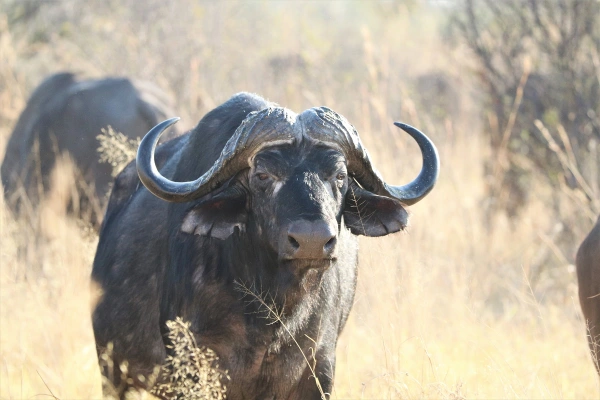
I’ve done both. My early trips were scattered throughout the year, hoping for luck. I got some decent shots, sure, but nothing consistently breathtaking until I committed to the dry months. Less vegetation means better sightlines. Animals are more predictable around permanent water. And the golden hour light? It hits different when it’s cutting through dry bush, illuminating dust kicked up by a charging buffalo.
July and August: Prime Predator Action
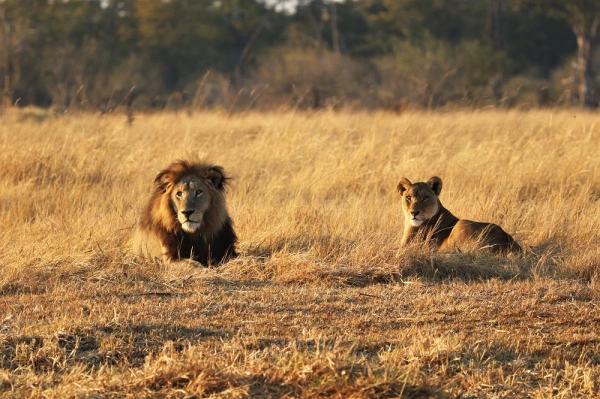
My absolute sweet spot for Xakanaxa photography is late July through August. The water levels in the Okavango Delta have peaked, meaning the floodplains are full, and the seasonal pans are drying up. This concentrates game along the permanent waterways and larger islands. You’ll find leopards draped over branches, lions patrolling the edges of the floodplains, and wild dogs often hunting near waterholes. Expect clear skies and mild temperatures in the mornings and evenings, though midday can get quite hot. Prices for camps like Xakanaxa Camp or Camp Moremi will be at their peak, easily hitting $1,000 to $1,500 per person per night for a mid-range safari. It’s an investment, but it pays off in photographic opportunities.
September and October: Intensified Drama
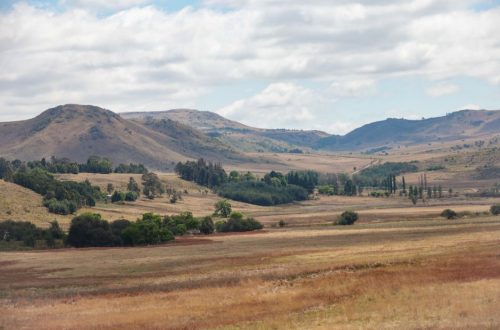
If you can handle the heat, September and October offer intensified drama. Water sources are critically low, pushing animals even closer together. You’ll witness incredible scenes of elephants digging for water, buffalo wallowing in mud, and predators exploiting weakened prey. The landscape becomes parched and stark, which can create a powerful backdrop for your images. Dust becomes a major factor, which can be both a blessing (for atmospheric shots) and a curse (for your gear – carry plenty of cleaning supplies). Temperatures can easily soar into the high 30s Celsius (90s Fahrenheit) by midday, so you need to be prepared for early starts and late finishes.
Essential Gear for Xakanaxa – Don’t Compromise Here
I’ve seen people roll up to a safari with a point-and-shoot camera and expect National Geographic-level results. It’s a delusion. Moremi is not a zoo. The animals are wild, often distant, and move fast. If you’re serious about wildlife photography, your gear matters. I’m not saying you need to mortgage your house, but you need to invest in a decent setup that can handle low light, fast action, and significant reach.
My biggest early mistake was thinking a 300mm lens was “long enough.” It is not. You’ll spend half your time cropping pixelated images. The real magic happens when you can fill the frame with an animal’s eye at a respectable distance, allowing for natural behavior. Forget about wide-angle landscapes, this is about intimacy with wildlife, and that requires reach.
My Go-To Telephoto Lenses That Deliver
- Sony FE 200-600mm f/5.6-6.3 G OSS ($2,000): This lens is a workhorse. It’s relatively affordable for its reach, has excellent image stabilization, and the internal zoom means no dust pump. It’s sharp enough for most wildlife scenarios and pairs perfectly with a full-frame mirrorless body. This is my pick for someone wanting serious reach without breaking the bank on a prime lens.
- Canon RF 100-500mm f/4.5-7.1L IS USM ($2,800): If you’re a Canon shooter, this is your lens. It’s lighter and more compact than many competitors, making it easier to handhold, which is crucial on a bumpy vehicle. The image quality is superb, and the 100mm wide end can be surprisingly useful for environmental shots when animals are close.
- Nikon Z 180-600mm f/5.6-6.3 VR ($1,700): Nikon Z users, this is a fantastic new option. Great value for the focal range, good optical quality, and robust build. It’s a bit heavier than the Canon, but the reach is undeniable.
Pair any of these with a 1.4x teleconverter if you need even more reach, but be aware of the light loss and potential hit to autofocus speed.
Full-Frame Mirrorless Bodies That Deliver
Forget DSLRs. Mirrorless is the future, and its advantages – silent shooting, superior autofocus tracking, better low-light performance in some cases – are critical for safari. I’m using a Sony a7 IV myself, but there are other excellent options:
- Sony a7 IV ($2,500): Excellent all-rounder. Great resolution (33MP), superb autofocus, and strong low-light performance. It’s my current daily driver for safari.
- Canon EOS R5 ($3,900): If you want insane resolution (45MP) and blazing fast autofocus, the R5 is a beast. The files are huge, but the detail is incredible.
- Nikon Z8 ($4,000): Essentially a Z9 in a smaller body. Phenomenal autofocus, especially for tracking fast-moving subjects. High frame rates are essential for birds in flight or hunting action.
Don’t forget spare batteries – I carry at least three. And a high-speed SD/CFexpress card with plenty of capacity. You’ll fill it faster than you think.
My Top Xakanaxa Photo Mistakes (So You Don’t Make Them)
After a few trips, I compiled a list of facepalm moments. Learn from my pain:
-
Missing Golden Hour: I used to sleep in, thinking “sunrise is just sunrise.” Rookie mistake. The hour after sunrise and before sunset is when the light is magical. It’s soft, warm, and casts long shadows, adding depth to your wildlife photos. Animals are also most active then. Get out there early, stay out late. No excuses.
-
Ignoring Eye-Level Shots: Most people shoot from standing height in the vehicle. That’s fine for documentation, but for compelling images, you need to get low. Ask your guide to position the vehicle for lower angles. Sometimes, even kneeling on the seat and bracing against the vehicle door can make a huge difference, making the animal feel more imposing and connecting with the viewer.
-
Overlooking the Background: I was so focused on the animal, I’d often get distracting branches, bright patches of sky, or other vehicles in the background. Before you press the shutter, quickly scan the edges of your frame. A clean, out-of-focus background can elevate a good shot to a great one. Move the vehicle slightly, or change your shooting angle to eliminate distractions.
-
Forgetting Dust Protection: Moremi can be incredibly dusty, especially in the dry season. My first trip, I opened my camera bag willy-nilly. Bad idea. Now, I keep my camera in a dust-proof bag when not in use, change lenses quickly, and always have a rocket blower and micro-fiber cloths handy. Dust on your sensor is a nightmare to clean later.
-
Not Using a Gimbal Head: Handholding a 600mm lens for hours is exhausting, and a standard ball head is too fiddly. A gimbal head like the Wimberley Gimbal Head II ($600) makes a massive difference. It allows the heavy lens to be perfectly balanced, letting you smoothly track fast-moving subjects with minimal effort. It’s a for stability and comfort.
Safari Vehicles: Don’t Settle for Anything Less
This is a quick one: if you’re going to Xakanaxa for photography, you absolutely need an open-sided Land Rover Defender or a similar purpose-built safari vehicle. The elevated seating, the stability, the clear sightlines – it’s non-negotiable. Don’t compromise for a closed-window minivan or anything less. You’ll regret it when that leopard appears, and your view is obstructed by a window frame.
Comparing Xakanaxa Area Safari Camps: Where to Stay
Choosing the right camp around Xakanaxa can make or break your photographic experience. It’s not just about luxury; it’s about location, guide quality, and activity offerings. Here’s a breakdown of some popular options I’ve experienced:
Xakanaxa Camp: The Classic Choice
Xakanaxa Camp is a staple, renowned for its prime location right on the Xakanaxa Lagoon. It’s one of the oldest camps in the area, offering a traditional Okavango Delta experience. Their guides are generally seasoned veterans who know the territory like the back of their hand. Expect game drives, motorboat excursions into the lagoon, and sometimes mokoro (traditional dugout canoe) trips. The camp itself is comfortable, not overtly luxurious, but perfectly charming. Expect prices to be around $950 – $1,300 per person per night in peak season.
Kwara Camp: My Top Pick for Diversity
I’m going to come right out and say it: for sheer photographic diversity, Kwara Camp (managed by Kwando Safaris) is my top recommendation. While not *directly* in Xakanaxa, it’s in a private concession bordering Moremi, giving them the flexibility that public reserves don’t. This means off-roading for prime photographic angles and night drives – both huge advantages. They also offer mokoro, motorboats, walking safaris, and game drives. The guiding is consistently top-notch, often with two trackers per vehicle. This flexibility and range of activities mean more opportunities for unique shots. Prices are typically $1,200 – $1,700 per person per night, but the value for photographers is immense.
Camp Moremi: Great Value, Solid Location
Camp Moremi, operated by Desert & Delta Safaris, sits on the Xakanaxa Lagoon, offering similar access to the Moremi game drive loops and water activities. It’s generally a bit more budget-friendly than Xakanaxa Camp, often in the $800 – $1,100 range in peak season, making it a solid choice if you want to be right in the action without the highest price tag. The standard of guiding is good, and the camp itself is very comfortable, recently renovated. It’s a fantastic mid-range option for those who prioritize location and consistent game viewing.
| Camp Name | Location | Activities | Peak Season Price (Est. PPPN) | Photographer’s Edge |
|---|---|---|---|---|
| Xakanaxa Camp | Xakanaxa Lagoon, Moremi | Game Drives, Motorboat, Mokoro | $950 – $1,300 | Classic location, experienced guides. |
| Kwara Camp | Private Concession (borders Moremi) | Game Drives (off-road), Night Drives, Mokoro, Motorboat, Walking Safari | $1,200 – $1,700 | Off-roading & Night Drives – huge for unique shots. |
| Camp Moremi | Xakanaxa Lagoon, Moremi | Game Drives, Motorboat, Mokoro | $800 – $1,100 | Excellent value for prime lagoon access. |
Moremi Safari FAQs: My Straight Answers
I get asked these all the time, so let me lay it out plain.
Is a Professional Guide Non-Negotiable?
Absolutely. Yes. 100%. Don’t even think about self-driving in Xakanaxa for serious photography. A professional safari guide in Moremi isn’t just a driver; they’re an expert tracker, a walking encyclopedia of animal behavior, and your best chance at finding those elusive subjects. They understand how to position the vehicle for light and angles without disturbing the wildlife. The few extra dollars for a top-tier guide are worth every cent, especially when you’re trying to capture something incredible.
How Close Can We Get to Wildlife?
This is critical. In Moremi, the rule is to respect the animals’ space. While a good guide will try to get you into an optimal position, they won’t push it. Generally, you should maintain a respectful distance – 20 to 30 meters is common for larger animals. The key is to observe their behavior. If an animal is looking stressed, changing its posture, or moving away, you’re too close. Don’t be that person who ruins an experience for others or, worse, stresses out a wild animal. Your 600mm lens is there for a reason.
Are Drones Allowed in Moremi?
No. Full stop. Drones are strictly prohibited in Moremi Game Reserve and most national parks and reserves across Botswana without specific permits, which are very difficult to obtain and usually reserved for research or documentary film crews. They disturb wildlife and other safari-goers. Leave it at home. Your goal is to be an ethical photographer, not a disruptive one.
Moremi is one of the last true wildernesses, and getting it right, photographically, is about respecting that. It’s about patience, preparation, and knowing when to put the camera down and just soak it in. You’ll thank me later when you’re reliving those moments through your images, instead of through a blur of regrets.