Bea’s of Bloomsbury serves roughly 1,200 afternoon teas every week. That’s a lot of scones. But here’s the thing: most people walk out having made the same three mistakes. They order the wrong tier first, they skip the seasonal special, and they miss the best table in the house. This guide fixes that.
Bea’s isn’t the Ritz. It’s not the Dorchester. It’s a small, independent bakery-café that somehow packs more character into its two floors than most hotels manage in their marble lobbies. The tea is serious. The cakes are honest. And the queues can be brutal if you don’t know the timing.
I’ve been to Bea’s seven times over the past two years. Three locations, four seasons, two hangovers. Here’s what I learned.
What Makes Bea’s Different From Every Other London Afternoon Tea
Most afternoon teas in London are theater. Crystal chandeliers. Waiters in waistcoats. A pianist playing something polite. Bea’s is the opposite. It’s a bakery first, a café second, and an afternoon tea venue almost by accident. The scones come out of the same oven as the sourdough loaves. The cakes are made by the same hands that frost the birthday orders.
This matters because the food actually tastes like someone cared about it. Not like a catering kitchen that churns out 200 identical finger sandwiches for a wedding buffet.
Where the Ingredients Come From
Bea’s uses Fortnum & Mason tea blends, which is a smart move. Fortnum’s knows tea. The scones are made with French butter (83% fat content) and buttermilk. The clotted cream comes from Rodda’s in Cornwall — the gold standard. The strawberry jam is made in small batches by a supplier in Kent who also supplies several Michelin-starred restaurants.
That’s not marketing fluff. That’s why the scones don’t taste like cardboard.
The Three Locations — Pick the Right One
Bea’s has three London spots. They are not the same.
| Location | Vibe | Best For | Booking Needed? |
|---|---|---|---|
| Bloomsbury (Theobald’s Road) | Original, cozy, cramped | Authentic experience, solo reading | Yes — 2 weeks ahead |
| St Paul’s | Modern, bright, spacious | Groups, tourists near the cathedral | Yes — 1 week ahead |
| Marylebone | Neighborhood, quiet, small | Local vibe, avoiding crowds | Recommended — 3 days ahead |
The Bloomsbury original is the one to pick if you want the full experience. The St Paul’s location is bigger but feels less personal. Marylebone is tiny — eight tables — and books up fastest for weekend slots.
The Biggest Mistake: Eating the Tiers in the Wrong Order
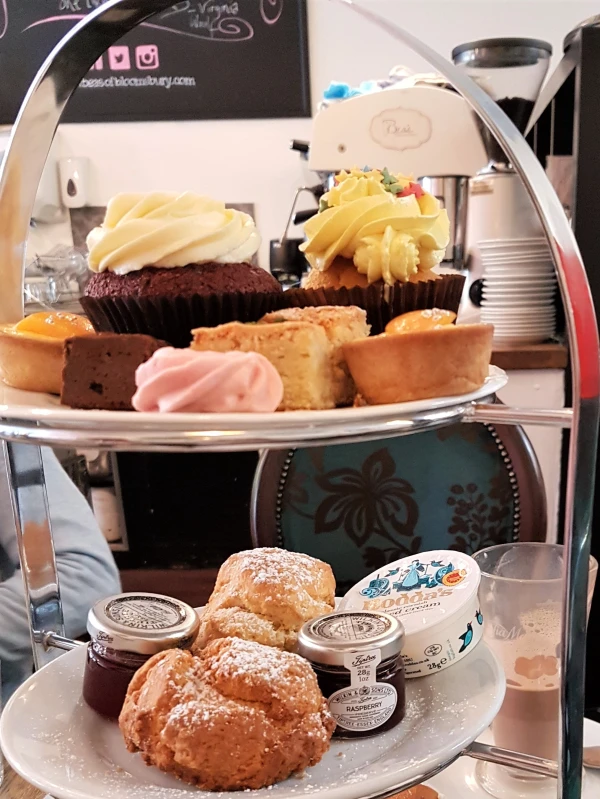
This sounds pedantic. It’s not. Afternoon tea has a logic. Savory first, then scones, then sweets. That’s the standard flow. But Bea’s serves their tiers on a three-tier stand, and the arrangement changes depending on which tea you order.
Here’s the specific problem: the Classic Afternoon Tea (£28 per person) puts the scones on the middle tier. The High Tea (£32 per person) puts them on the bottom. If you’re not paying attention, you’ll eat the scones cold while the finger sandwiches go stale on your plate.
The Correct Order for Each Menu
- Classic Afternoon Tea: Bottom tier (sandwiches) → Middle tier (scones) → Top tier (cakes). Eat the scones while they’re warm. They cool down in about 4 minutes.
- High Tea: Bottom tier (scones — yes, really) → Middle tier (sandwiches) → Top tier (cakes). This one is controversial. Bea’s puts the scones on the bottom because they come out of the oven last. Trust the kitchen on this.
- Vegetarian/Vegan Tea (£30): Same logic as Classic. Sandwiches first, then scones, then sweets.
One more thing: ask for extra clotted cream before you start. The standard portion is one small pot per person. You’ll run out by the second scone. Just say “can I have another pot of cream please” when they bring the stand. They’ll bring it. No charge.
The Seasonal Specials — When to Order Them and When to Skip
Bea’s rotates seasonal afternoon teas about four times a year. Spring (rhubarb and elderflower), summer (berry and rose), autumn (apple and blackberry), winter (chocolate and chestnut). The seasonal teas cost £34 per person — £6 more than the Classic.
Are they worth it? Sometimes yes. Sometimes absolutely not.
The Winners
The Autumn Apple and Blackberry Tea (September-November) is the best seasonal menu they do. The scones come with a spiced apple compote that’s genuinely good — tart enough to cut through the cream, sweet enough to feel like dessert. The blackberry and almond frangipane tart on the top tier is the single best pastry item on any Bea’s menu, any season. It’s worth the upcharge alone.
The Winter Chocolate and Chestnut Tea (December-February) is a close second. The chestnut cream on the scones is rich without being heavy. The chocolate and chestnut roulade is good but not great — a bit dry on the outside.
The Ones to Skip
The Summer Berry and Rose Tea (June-August) sounds lovely. It’s not. The rose flavor is too strong — like eating a candle. The berry compote is fine but nothing special. Stick to the Classic and order a pot of their Berry Burst herbal tea on the side instead.
The Spring Rhubarb and Elderflower Tea (March-May) is hit or miss. The rhubarb compote is excellent — tangy, not too sweet. But the elderflower cake is bland. If rhubarb is your thing, order the Classic and ask if they can swap the jam for the rhubarb compote. They’ll usually do it.
The Tea Itself — Which Pot to Pick
Bea’s offers 12 teas. Most people order English Breakfast or Earl Grey because that’s what you’re “supposed” to drink with afternoon tea. That’s a mistake. Their strongest teas are the ones you won’t find at every other café in London.
Bea’s Breakfast Blend (their own house blend, available only at Bea’s) is the best option for first-timers. It’s a mix of Assam and Ceylon — malty, robust, takes milk well. It’s strong enough to stand up to clotted cream and jam without getting lost.
Rose Congou is the sleeper hit. It’s a black tea scented with rose petals, not flavored with syrup. The floral notes are subtle. It pairs beautifully with the fruit-based scones and the lighter cakes on the top tier. Most people don’t order it because they don’t know what it is. Order it.
Genmaicha (green tea with toasted rice) is available but don’t order it with afternoon tea. The savory, nutty flavor clashes with the sweetness of the scones and cakes. Save it for a solo visit when you’re having a slice of cake and nothing else.
The Tea Service — What to Watch For
Each pot comes with a 3-minute timer. This is important. The staff will tell you to let it steep for exactly 3 minutes. They’re right. Bea’s uses loose-leaf tea, and over-steeping makes it bitter. If you like strong tea, ask for an extra teaspoon of leaves when you order, not a longer steep time.
The pots are small — about 2.5 cups per person. You can ask for a hot water refill to stretch it to 3 cups, but the second steep will be weaker. If you’re a heavy tea drinker, order two different pots (one to start, one halfway through) rather than trying to stretch one.
When NOT to Go — The Three Worst Times
Bea’s is not a place you walk into at 3pm on a Saturday and expect a table. The wait can hit 90 minutes. Here are the times you should actively avoid.
Saturday 2:30pm-4:00pm — peak afternoon tea window. Every tourist in Bloomsbury has the same idea. The kitchen gets backed up. Your scones might take 25 minutes to arrive. The staff are stressed. It’s not a good experience.
Bank holidays and school holidays — families with kids, large groups, chaos. The Marylebone location is especially bad for this because it’s so small. If you must go on a bank holiday, book the St Paul’s location and go at 11:30am when they open.
Monday mornings — this is when the bakery does its big batch baking for the week. The café is open, but the atmosphere is off. It smells like industrial cleaning products mixed with sugar. The pastries are fresh but the space feels like a production kitchen, not a tea room.
The Best Time to Go
Tuesday through Thursday, 2:00pm. The lunch rush has cleared. The afternoon tea crowd hasn’t arrived yet. You’ll get a table by the window on the first floor (the best seats — more space, better light, quieter). The scones will come out within 8 minutes of ordering. The staff will have time to talk you through the tea menu.
If you can’t do a weekday, book the 11:30am Saturday slot. You’ll be done by 1:00pm before the chaos starts.
The Verdict: Is Bea’s Worth It?
Yes, but only if you go to the right location at the right time and order the right tea.
For £28-34 per person, Bea’s offers better food than most hotel afternoon teas that cost £55-75. The scones are genuinely excellent — warm, crumbly, not dry. The tea selection is thoughtful. The cakes are made in-house and taste like it.
But it’s not for everyone. If you want white tablecloths and a harpist, go to the Ritz. If you want unlimited sandwiches and champagne, go to the Langham. Bea’s is for people who care more about what’s on the plate than what’s on the ceiling.
My specific recommendation: Book the Bloomsbury location on a Tuesday at 2pm. Order the Classic Afternoon Tea with the Rose Congou tea. Ask for extra clotted cream. Eat the scones first. Skip the summer seasonal. Leave room for a slice of their caramel and chocolate tart from the bakery counter on your way out — it’s £5.50 and better than any cake on the tea stand.