
The common misconception is that a good June packing list prepares for every possible weather event, dress code, and travel mishap. That approach produces a heavy bag filled with duplicate shoes, backup outfits, and items that never leave the suitcase. A better rule is simple: pack for the forecast, your planned activities, and one controlled surprise.
This guide uses a practical evidence-and-exception method. Identify the conditions you can prove, set a limit for uncertain situations, then remove anything that serves only a vague fear. No state laws are discussed here; airline baggage terms, passport rules, and local restrictions can still vary. This is not legal advice — consult a licensed attorney.
How many clothes do you need for June travel?
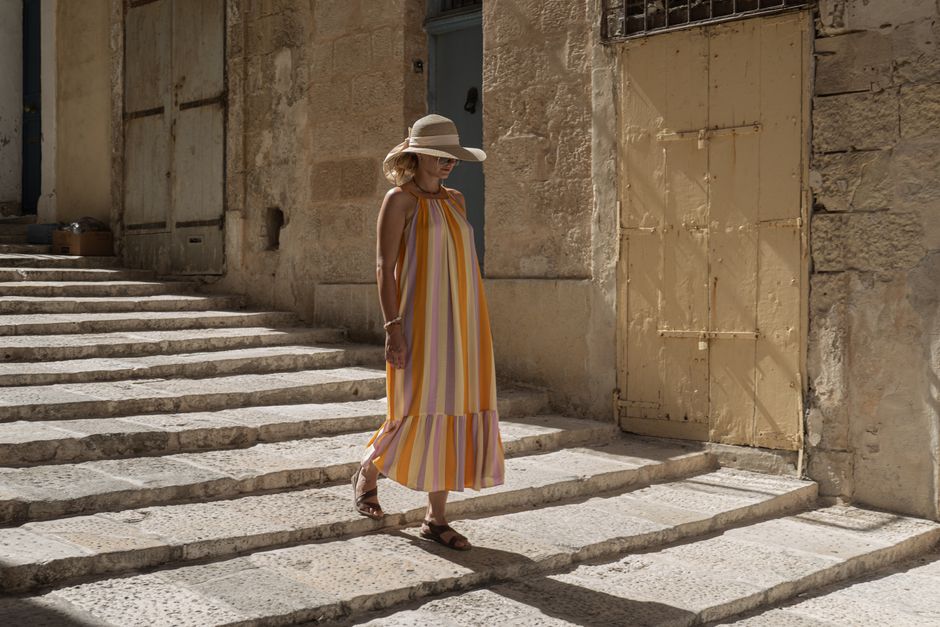
Build around days between washes
The number of travel days is less useful than the number of days before laundry. For a seven-day trip with one sink wash or laundromat visit, five tops, three bottoms, seven pairs of underwear, and four pairs of socks usually cover the plan. Add one sleep set and one outfit that looks sharper than the rest. For a three-day city break, pack three tops, two bottoms, four pairs of underwear, and one light layer.
That count assumes normal summer activities and access to basic laundry. A hiking trip, beach trip, or business event changes the list because sweat, dirt, or dress requirements create separate use cases. The goal is not a universal number. The goal is to match clothing volume to actual wear.
Apply the one-role rule
Each item should have a clear role and at least two possible uses. A collared linen shirt can work for dinner and sun protection. Stretch trousers can cover transit and a restaurant. A swimsuit can double as a base layer under quick-dry shorts. A bulky item that works only once needs a strong reason to stay.
Use this June clothing count
| Trip condition | Tops | Bottoms | Layers | Shoes |
|---|---|---|---|---|
| Three-day city trip | 3 | 2 | 1 light layer | 2 pairs |
| Seven-day trip with laundry | 5 | 3 | 1 rain shell and 1 warm layer | 2 pairs |
| Seven-day beach trip | 4 | 3 | 1 light layer | 2 pairs plus sandals |
These are starting limits, not promises. Replace an item only when the itinerary proves the need. The strongest cut is often the second pair of heavy shoes.
Choose layers for heat, rain, and cool nights
My recommendation: pack one breathable base, one compact warm layer, and one rain barrier. That three-part system handles more June conditions than a pile of single-purpose garments. It also gives you a clear answer when the forecast changes.
Use breathable fabric as the base
For hot days, choose two or three shirts in merino wool, linen, or synthetic quick-dry fabric. A 150-weight merino shirt usually handles repeated wear better than a thick cotton tee because it dries faster and holds less odor. Linen feels cooler in humid weather but wrinkles easily. Quick-dry polyester is practical for hand washing, although some travelers dislike the feel.
For bottoms, one lightweight trouser and one short or skirt cover most city itineraries. Pick colors that work together. A five-color wardrobe creates outfit problems; a three-color wardrobe creates combinations.
Add only layers that solve separate problems
A thin fleece or merino cardigan covers cool transit, while a packable rain shell handles wind and showers. Do not replace both with a thick hoodie unless your forecast shows sustained cold. A rain shell should fit over your base layer, weigh less than about 350 grams, and pack into its own pocket or a small pouch. A compact umbrella may help in cities, but it is not a substitute for a wind-resistant shell on exposed trails.
The tradeoff is clear. Cotton feels familiar but dries slowly. Merino costs more but handles repeat wear. A shell protects better than a sweatshirt but looks less polished. For mixed June travel, the base-layer, warm-layer, and rain-shell combination is the best choice because every piece has more than one job.
Use the forecast as a decision rule, not a packing suggestion
Run this five-step weather check
- Check the daytime high and nighttime low for the destination, not just the departure city.
- Check rain probability and wind speed for the days spent outdoors.
- Mark any activity that lasts more than two hours without shelter.
- Assign one item to each unusual condition: one rain shell, one warm layer, or one sun shirt.
- Remove any extra item that protects against a condition already covered by another piece.
This process matters because weather apps show uncertainty, while suitcases respond to it as if every prediction were certain. A 30 percent chance of rain does not require waterproof trousers, rubber boots, and two umbrellas. It may require one shell and shoes that can tolerate a wet pavement.
Set a ceiling for rare events
Use the one-exception ceiling: prepare for one unusual event unless the itinerary makes several unusual events likely. A June trip to a warm city with one mountain excursion needs one warm layer, not a complete cold-weather outfit. A week in the Alps may need a different plan because the cold is part of the central activity.
Do not let the forecast create duplicate items
If rain is likely, wear the largest weather-ready item during transit. If mornings are cool, wear the long trousers and keep shorts in the bag. If heat dominates, pack the layer but do not pack two versions of it. The winning move is to make the forecast change what you wear, not only what you carry.
Questions that stop overpacking before departure
Do I need a second pair of walking shoes?
Only if the first pair cannot handle a planned activity or will stay wet for more than a day. For a normal city trip, wear the bulkiest comfortable pair and pack one lighter pair. Two pairs of heavy sneakers usually waste more space than they provide value.
Should I pack formal clothing for one dinner?
Use one polished base item instead of a separate outfit. A dark trouser, simple dress, collared shirt, or clean overshirt can cover dinner without adding a special jacket and special shoes. If the venue has a strict dress code, confirm it before packing. Guessing creates more luggage than checking.
When should I leave a product at home?
Leave it behind when the destination provides a reliable substitute, when it has one narrow use, or when replacing it would cost less than carrying it for the whole trip. A full-size hair dryer rarely earns space in a hotel-based trip. A large towel is usually unnecessary where lodging supplies one. A travel gadget that solves a problem you have never experienced is a weak candidate.
What if I forget something?
Separate critical items from replaceable items. Passport, medication, payment cards, glasses, and essential chargers deserve a final check. A spare shirt, toothbrush, or basic toiletry can usually be replaced. This distinction cuts fear-driven packing because not every omission has the same consequence.
The final 20-minute packing test
Pack for the trip you booked, not the trip your anxiety invented. Lay every item on the floor and assign it to a day, activity, or weather condition. If an item has no clear assignment, remove it. Then wear the bulkiest shoes and layer the largest clothing piece during transit.
Check the four high-risk mistakes
- Remove duplicate layers that solve the same temperature problem.
- Remove shoes that work for only one planned activity.
- Separate wet or leak-prone items in a washable pouch.
- Keep medication, documents, valuables, and one change of clothes accessible.
Make the final verdict
For a typical June city or mixed sightseeing trip, the best packing target is one carry-on with five tops, three bottoms, one warm layer, one rain shell, two pairs of shoes, seven sets of underwear, and toiletries limited to the next laundry point. Add one specific item only when the itinerary proves its need. That rule gives you weather coverage, outfit variety, and room to move without carrying a suitcase full of hypothetical problems.