The thermometer can keep rising for hours after solar noon. In many European cities, the roughest sightseeing window is 15:00 to 18:00, exactly when many visitors are still walking between landmarks. That is how a pleasant Rome, Seville, Athens, or Lisbon break turns into an expensive search for shade.
The fix is not to cancel summer travel. Build the day around heat exposure, then keep one indoor backup within a short walk or transit ride. Think of it as a cash-flow plan for your energy: spend your best hours on outdoor sights, preserve a reserve for the hottest block, and avoid paying for a timed ticket you cannot comfortably use.
Why indoor backups work better than simply slowing down
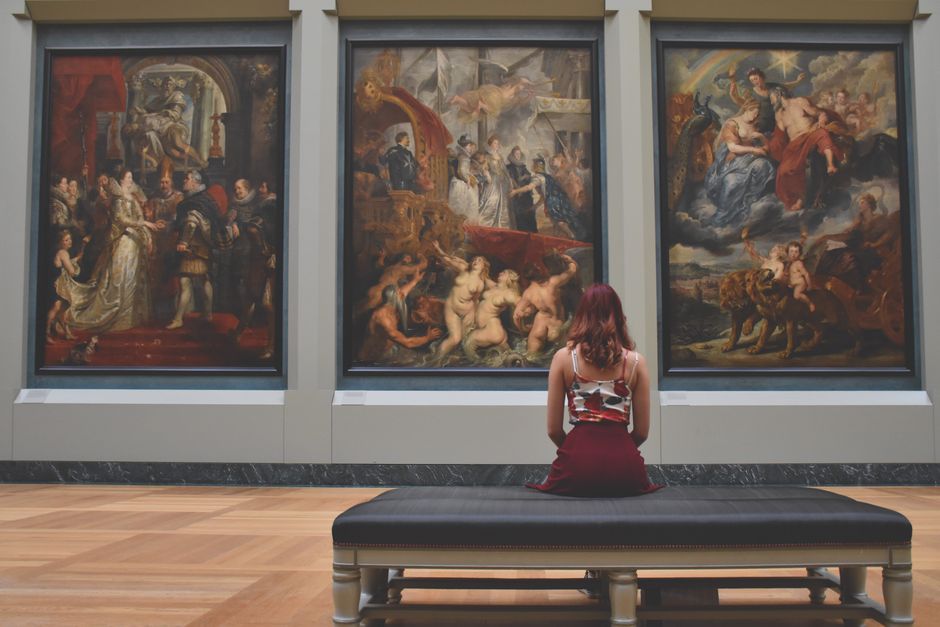
My clear view: a heat backup should be booked before the trip, but it should not be treated as a second-rate attraction. The right indoor stop solves three problems at once: it lowers heat exposure, gives your body time to recover, and protects the money already spent on transport or timed entry.
Heat changes the value of distance
Maps hide the physical cost of a route. A 1.5-kilometre walk can involve black asphalt, a steep climb, a crowded tram platform, and ten minutes of standing in direct sun. The same distance feels trivial at 08:30 and punishing at 16:00. This is why an indoor backup should sit close to the outdoor plan, not on the other side of the city.
Use a simple limit: after lunch, cap each exposed walking leg at 15 minutes. If the route is longer, switch to metro, bus, or a taxi and protect the next activity. The extra €8-€15 for a short ride can be cheaper than losing a €20 museum ticket, an evening reservation, or half a day to exhaustion.
What makes a backup trustworthy
A good backup has confirmed opening hours, toilets, seating, reliable shade or cooling, and a clear exit route. Check Monday closures, last admission, ticket release times, and whether the building allows casual entry. A church may be cool but closed during a service. A gallery may have air conditioning but a 40-minute queue outside. A plan that ignores those details is not a plan; it is a hope with a map pin.
The strongest setup uses one paid option, such as a museum or palace, and one low-cost option, such as a public library, covered market, cinema, department store café, or hotel rest period. That gives you a fallback if tickets sell out or the weather changes.
How to build an indoor backup plan in five steps
Do this before departure, then check the details again on the morning of each hot day. The goal is not to fill every minute. The goal is to remove the expensive decisions you would otherwise make while overheated.
Step 1: Mark the outdoor anchors
- Choose one major outdoor sight for the morning. Examples include the Acropolis, the Colosseum exterior, Park Güell, or Seville’s historic centre.
- Check the route at 08:00 and 16:00. Look for shade, hills, exposed bridges, and areas with limited public transport.
- Place lunch within 10 minutes of an indoor alternative. A café next to a museum is more useful than a famous restaurant 30 minutes away.
- Reserve one indoor activity for the hottest three-hour block. Allow 30 minutes for entry, toilets, water, and a quiet pause.
- Save a free option beside the paid option. Examples include a public library, covered market, hotel room, shopping arcade, or cinema.
Step 2: Pack for the gap between places
The useful kit is small. A 750ml refillable bottle is enough for a short morning loop, but carry a second bottle for long walks or high heat. The Anker 737 Power Bank gives a 24,000mAh reserve and up to 140W output; it is heavy at roughly 630g, so it makes sense for long transit days, not every café visit. For quiet indoor recovery, the 2026 Amazon Kindle Paperwhite has a 7-inch, 300ppi glare-free display, 16GB storage, IPX8 water resistance, and a claimed battery life of up to 12 weeks. It is a useful downtime tool, but a phone with a downloaded book costs nothing extra.
Step 3: Keep one exit option
Save the address of your accommodation, the nearest metro station, and one taxi pickup point. The Sony WH-1000XM5 offers up to 30 hours with noise cancelling enabled and about three hours of playback after a three-minute USB-PD charge, but headphones do not solve dehydration or heat stress. Use devices to make waiting easier, not to justify pushing through symptoms.
Which apps and indoor stops are worth relying on?
Can Google Maps and Citymapper prevent a bad afternoon?
They can prevent some bad decisions, provided you prepare them before leaving Wi-Fi. Google Maps allows offline map areas to be downloaded, which protects basic navigation when mobile data fails or a station has weak reception. Citymapper is better for many city transit networks because it shows route choices, walking time, service changes, and offline metro maps in supported areas. Use both if the destination matters: one for places, one for transit.
Neither app knows how tired you feel, how hot a platform is, or how long a queue will take. Add a personal rule: if the route includes more than 20 minutes outside after 14:00, check an alternative with fewer walking connections. A route that saves six minutes on paper may add two exposed platform changes.
Which indoor stops make the best fallback?
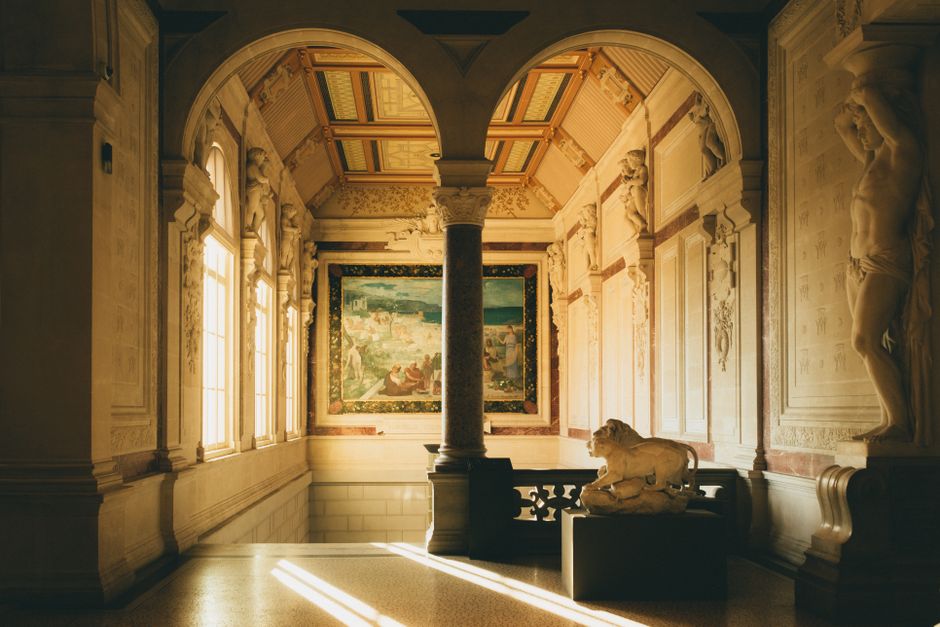
For a paid backup, choose a museum or historic building with a fixed entry time and indoor circulation. In Rome, the Capitoline Museums suit a central afternoon better than a long walk across the city. In Paris, a smaller museum can beat the Louvre if the goal is cooling down rather than checking a famous name. In Vienna, the Kunsthistorisches Museum gives you several hours indoors without requiring constant movement between sites.
For a free or flexible backup, use a public library, covered market, cinema, hotel lounge, or department-store café. Do not assume every church or shopping centre is open every day. Check the official site the night before and again in the morning.
Bottom Line: choose reliability over prestige
The best indoor stop is the one you can reach in 15 minutes, enter without a long outdoor queue, and leave near a useful transport line. Citymapper and Google Maps help with the route; they do not replace a check of opening hours.
What will this plan cost, and when should you skip the paid option?
Heat planning does not need a large budget, but poor planning creates small fees that compound. A taxi, replacement water bottle, unused timed ticket, and last-minute indoor admission can turn a cheap day into a €60 repair job.
A realistic afternoon fallback budget
| Item | Typical amount | Decision rule |
|---|---|---|
| City transit day ticket | €5-€10 | Buy it when two or more rides replace long hot walks |
| Museum or gallery entry | €12-€25 | Good value for a three-hour indoor block |
| Short taxi or ride-hail trip | €8-€20 | Use it to protect a timed booking or reach shade quickly |
| Water and snack replacement | €3-€8 | Budget this before buying airport-priced supplies |
| Foreign transaction fee | 0%-3% | Check the card terms before relying on it abroad |
| Credit card purchase APR | 19.99%-29.99% common range | Never carry holiday spending at that rate |
When not to buy another ticket
Skip the paid backup if you already have a cool hotel room within 10 minutes, the ticket costs more than €25, or the attraction requires a long outdoor queue. Rest is not wasted sightseeing. It may be the choice that lets you enjoy dinner, an evening walk, and the next morning.
Also skip a new gadget if your phone, a downloaded book, and a small power bank cover the need. The Kindle Paperwhite is a strong choice for readers who spend several hours indoors, but it is not a heat-management purchase. The Anker 737 is useful for long, device-heavy days, yet its weight makes it excessive for a compact itinerary. Buy only the tool that removes a real failure point.
Final recommendation: for a July European city break, schedule outdoor landmarks from 08:30 to 12:00, place a confirmed indoor stop between 13:30 and 17:00, and keep a free fallback within 15 minutes. Use offline maps, carry water, and protect your evening rather than forcing one more sight. This is not financial advice, but the travel-budget verdict is clear: spend on proximity and recovery before spending on another attraction.