
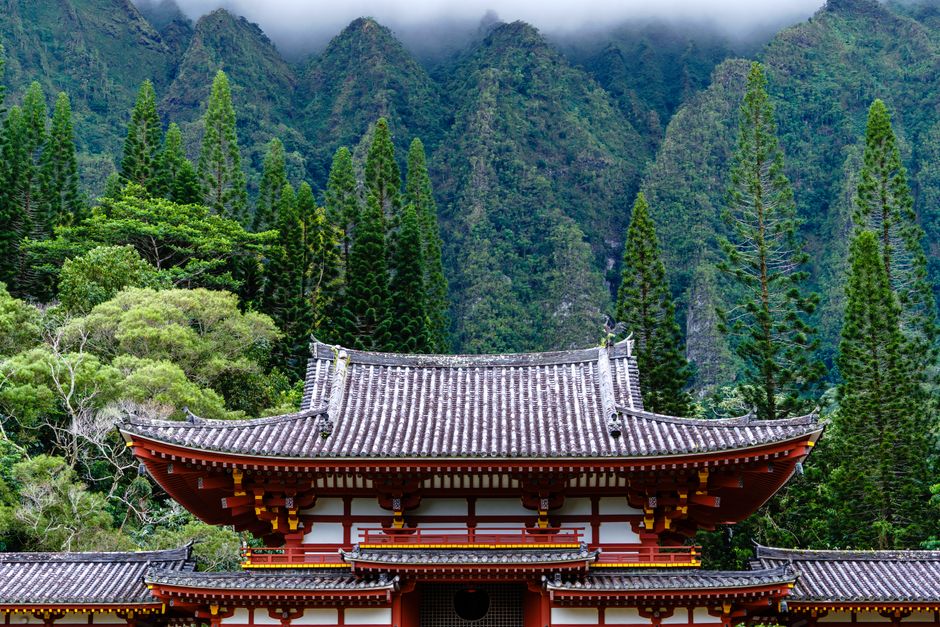
The best Asia temple mornings in June start before sunrise and finish before 9:30 a.m. That window gives you cooler air, softer light, quieter courtyards, and a better chance to hear the site instead of a guide’s microphone. My clear pick for first-time visitors is Angkor Wat on a weekday, followed by a smaller temple before breakfast. For a shorter trip from Bangkok, Ayutthaya is easier. For a more controlled visit with timed access, Borobudur requires more planning but rewards it with calmer movement through the site.
How to plan a crowd-proof temple morning
Use a short route, not a checklist
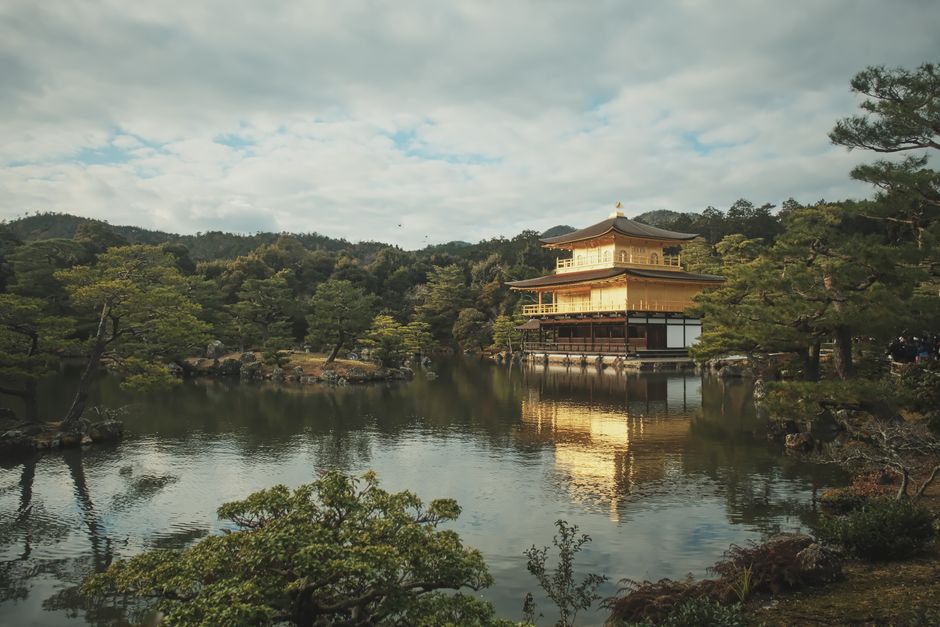
The winning route has one major temple, one smaller site, and one shaded break. Three large monuments before breakfast sounds ambitious, but it usually produces hurried photos and tired feet. Choose one place for detail, one place for atmosphere, and stop there. The first site should open at sunrise or soon after. The second should sit on the same transport route, not 40 minutes away.
Leave your hotel with water, a light layer, and the correct clothing already packed. Arriving at the gate is not the same as entering the monument. Add time for ticket checks, security, shoes, a restroom stop, and the walk from the road. A 5:00 a.m. departure may only place you inside the temple at 5:45.
A practical June schedule
| Time | What to do | Why it works |
|---|---|---|
| 4:45–5:15 a.m. | Leave the hotel with water, rain protection, and covered shoulders and knees | Builds in transport and gate delays |
| 5:30–7:00 a.m. | Visit the main temple and watch the light change | Coolest air and lowest crowd pressure |
| 7:00–8:00 a.m. | Move to a smaller nearby temple | Early groups have not spread across the complex |
| 8:00–8:45 a.m. | Rest, eat breakfast, and check the rain radar | Prevents heat and weather fatigue |
| 8:45–10:00 a.m. | Return only if the route is dry and comfortable | Lets you add value without forcing the schedule |
Keep the second half optional. The best temple morning can end after one excellent hour. If the clouds darken or the paths become slick, leave with good memories instead of treating the ticket as a challenge to complete.
Which temple pass is worth paying for?
Buy the shortest official ticket that matches your actual plan. A longer pass looks cheaper per day, but it does not create extra time or better weather. It covers more than 50 temples and remains valid for one day. You can see Angkor Wat at dawn, visit Bayon, and still choose a quieter ruin without buying separate entry.
The best ticket for one morning
Choose the Angkor Pass 1-day ticket when your trip includes one serious temple morning. The ticket window runs from 5:00 a.m. to 6:30 p.m., which gives you room to leave during the hottest hours and return later if the rain interrupts your route.
Do not buy the pass at an unofficial roadside counter. Use the official ticket system, check the name and photograph details before entering, and keep the digital ticket available offline. A screenshot is useful when the mobile signal drops.
When a longer pass makes sense
It is the better pick for visitors staying in Siem Reap for at least three temple mornings. It is poor value for a single dawn visit.
Ayutthaya offers a different buying decision. The seven-site pass is listed at 220 baht for foreign visitors, while individual sites may charge separately. Buy the combined pass if you plan to see several paid ruins by bicycle or tuk-tuk. For one quiet temple and a river walk, paying for a single site is more sensible. Borobudur uses separate courtyard and temple-access ticket types, so confirm that your booking includes the climb if reaching the upper structure is part of your plan.
Mistakes that ruin an early temple visit
Four errors to avoid
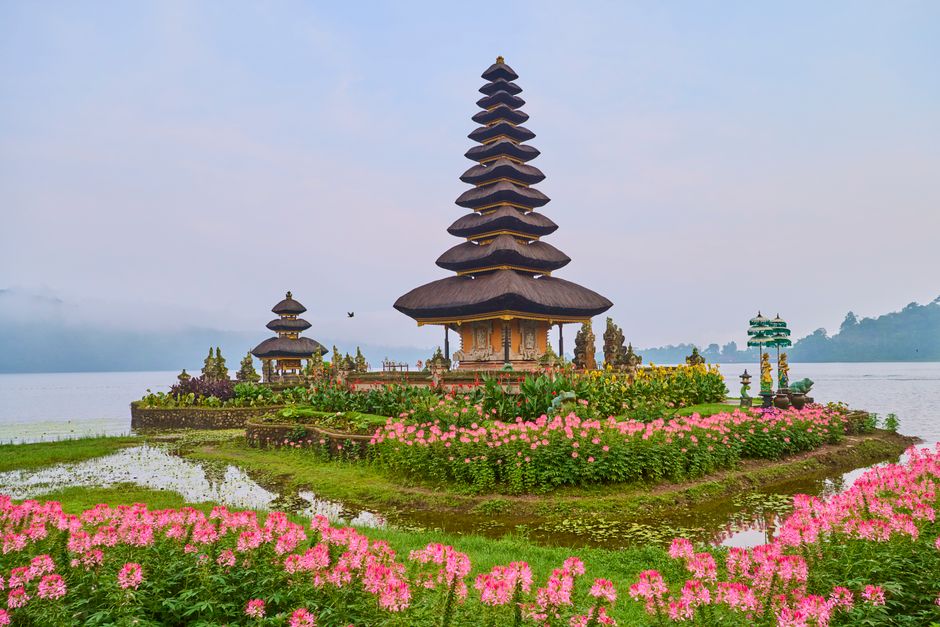
- Arriving at sunrise without checking entry rules. Sunrise may begin before the main monument opens, or the site may use a separate queue for temple access. Check the official opening time the evening before. A dramatic sky cannot help if you are waiting outside a locked gate.
- Trying to visit every famous temple. Large sites require walking, stair climbing, and time to read signs. Two meaningful stops beat six rushed ones. Pick a route that stays within one archaeological zone.
- Ignoring June rain. Wet stone becomes slippery, especially on narrow steps. Wear shoes with real grip. Leave a camera in a sealed pouch rather than a thin plastic shopping bag. If lightning moves close, stop climbing and find a sheltered public area.
- Treating local worship as a photo set. Do not stand in doorways, touch carvings, or photograph people during prayer without permission. Some temples require shoes to come off, and modest clothing is not optional. Carry a scarf or light overshirt, but do not use it as a substitute for respectful behavior.
Small choices that save the morning
- Carry 750 milliliters to 1 liter of water per person for a two-hour route, then refill near the visitor center if safe drinking water is available.
- Use a small towel or handkerchief. Humidity makes a short walk feel longer than the distance suggests.
- Keep cash in small notes for toilets, drinks, bicycle rental, and local transport.
- Save the hotel address in the local language. Drivers may recognize the landmark but not the English spelling.
- Ask before using a tripod. It can obstruct a narrow passage even when the site looks empty.
The biggest failure is poor pacing. Visitors often spend too long at the first viewpoint, then rush through the carved galleries and leave just as the light improves. Set one photo stop, one reading stop, and one quiet stop. That simple rhythm keeps the visit deliberate.
Which Asian temple morning should you choose?
Is Angkor Wat the best first choice?
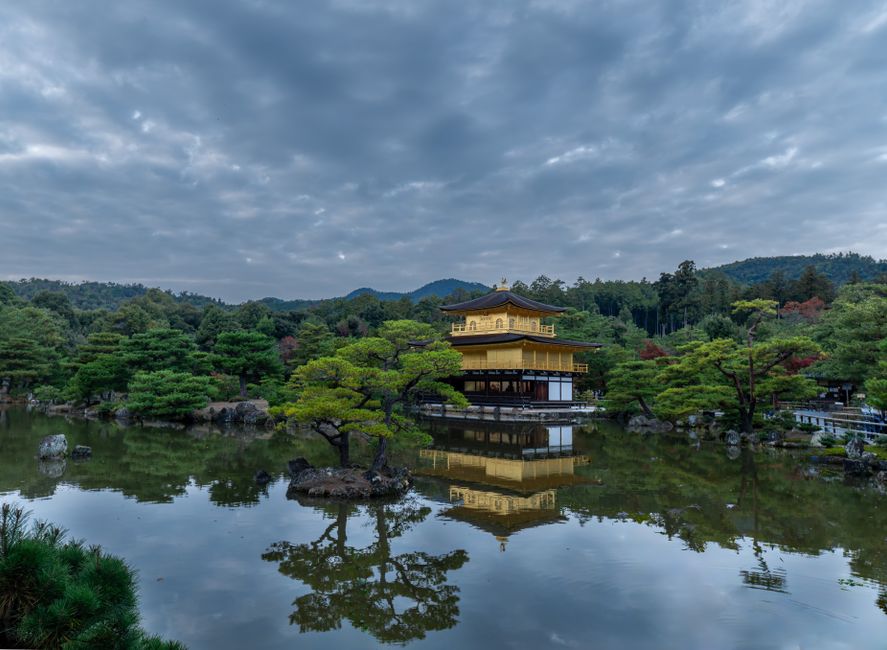
Yes, for most travelers. Choose Angkor Wat if you want the strongest combination of scale, early opening, transport options, and nearby alternatives. The Angkor Pass 1-day ticket gives a short-stay visitor access to a large area, so one rainy or crowded stop does not ruin the whole purchase. The tradeoff is demand: the sunrise pool area can still be busy, even in June. Move away from the central viewing point once the first photos are finished.
Is Ayutthaya better for a short Bangkok trip?
Yes. Ayutthaya works best when you have one free day and want ruins without a separate international flight or hotel change. Start with a paid temple before the heat builds, then use a bicycle, tuk-tuk, or local car to link nearby sites. The ruins are more open and less monumental than Angkor, but the lower planning burden is a major advantage. Pick Ayutthaya when convenience matters more than a single iconic sunrise.
When should you choose Borobudur?
Choose Borobudur when controlled entry and a defined temple route matter more than wandering among many ruins. The official ticket system separates courtyard access from access to climb the temple structure, so book the correct type and check the arrival time. Borobudur is the wrong choice for an improvised dawn visit if you have not confirmed availability. It is the right choice for travelers who want one focused monument, strong volcanic scenery, and a visit shaped by timed access.
| Destination | Best for | Main tradeoff | June verdict |
|---|---|---|---|
| Angkor Wat and the Angkor complex | First-time visitors and multi-temple mornings | More planning and larger crowds at the icon | Best overall choice |
| Ayutthaya Historical Park | Short trips from Bangkok | Open heat and less dramatic scale | Best for easy access |
| Borobudur Temple | One structured, high-impact visit | Ticket type and time slot need checking | Best for planned itineraries |

