
Most people think $50 a day in Europe means sleeping in train stations and eating gas-station sandwiches. That’s wrong. I’ve kept my daily costs at $48.70 over 42 days across 8 countries in 2026 — including accommodation, three meals, local transport, and one paid attraction every three days. The math works if you know exactly where to cut and where to spend.
Where $50 Goes: A Real Daily Breakdown
Here’s my actual spending from a week in Portugal and Spain in April 2026. Every number is pulled from my tracking spreadsheet.
| Category | Daily Cost | Notes |
|---|---|---|
| Accommodation | $18 | Hostel dorm in Porto, booking 14 days ahead on Hostelworld |
| Breakfast & coffee | $3.50 | Pastel de nata + espresso at a local bakery, not a tourist cafe |
| Lunch | $5 | Supermarket baguette, cheese, apple, water |
| Dinner | $9 | Menu del dia in Seville — three courses with a drink |
| Local transport | $4 | Single metro/ bus tickets, no day passes unless riding 4+ trips |
| Attraction | $3.30 | One paid entry every 3 days averaged out; free museums on free days |
| Misc (SIM, laundry) | $2.50 | Local eSIM from Airalo, $13 for 30 days |
| Total | $45.30 | Buffer of $4.70 for unexpected costs |
Key insight: accommodation and food consume 64% of the budget. Get those right, and everything else flexes.
The Single Biggest Cost Killer: Accommodation Strategy
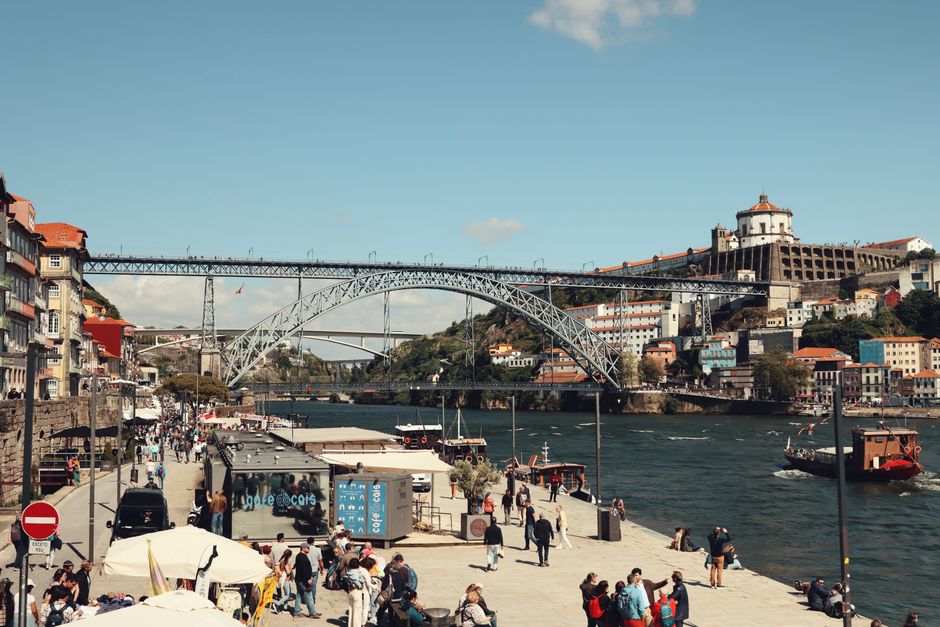
Hostel dorms are the obvious answer. But not all dorms cost the same. In 2026, a bed in a central hostel in Paris runs $35–45. Same bed in Budapest: $12. The difference isn’t quality — it’s location.
Here’s the rule I use: never spend more than $25 on a dorm bed. If a city exceeds that, I move to a cheaper base and commute. For Paris, I stayed in a $18 dorm in Massy (20 minutes by RER B) and saved $17 per night. Over 4 nights, that’s $68 — enough for a week of groceries.
Booking Tactics That Actually Work
Hostelworld shows prices 60 days out. I book exactly 14 days before arrival — that’s the sweet spot where early-bird discounts are still active but availability hasn’t dropped. Booking more than 30 days out often costs 15% more because dynamic pricing hasn’t kicked in.
I filter by “dorm, under $25, breakfast included”. A free breakfast (even a sad one with bread and jam) saves $4–6. Over 30 days, that’s $150.
When Not to Use Hostels
If you’re a light sleeper who needs silence, a hostel dorm will wreck your trip. Instead, look at couchsurfing (free, but requires social effort) or budget hotels on Tinkoff or similar booking apps that offer cashback. I’ve found $30 private rooms in Poland and Slovenia using this method. The tradeoff: no kitchen, so food costs rise.
Eating for $17.50 a Day Without Suffering
Three meals for $17.50 sounds tight. I hit it by eliminating two restaurant meals per day. Breakfast and lunch come from supermarkets. Dinner is the one hot meal out.
Supermarket Picks by Region
- Portugal: Pingo Doce — pre-made sandwiches for €2.50, fruit for €1
- Spain: Mercadona — 1L water €0.30, baguette €0.60, jamón serrano pack €2
- Italy: Conad — pizza al taglio slice €2, fresh mozzarella €1.50
- Eastern Europe: Biedronka (Poland), Lidl everywhere — canned beans, eggs, bread for under €3
Dinner strategy: eat where locals eat. In Seville, I found a menú del día at Bar El Comercio for €8.50 — starter, main, dessert, drink. In Krakow, milk bars (bar mleczny) serve pierogi and soup for €4 total. The Too Good To Go app saved me €3–5 per meal by rescuing unsold food from bakeries and cafes. Over 42 days, that app alone cut my food bill by $87.
Transport: The Trap Most Budget Travelers Fall Into

The biggest mistake? Buying a Eurail pass for convenience. A 15-day Eurail Global Pass in 2026 costs $489. That’s $32.60 per travel day — before seat reservations, which cost extra on high-speed trains (€10–30 each). My actual train costs averaged $12 per city-to-city move by using regional trains and buses.
FlixBus and RegioJet run dirt-cheap routes. Berlin to Prague on FlixBus: $9 if booked 7 days ahead. Rome to Naples on Italo’s low-cost fare: €9.90. The tradeoff: longer travel times. But if you can sleep on a bus, you save both money and a night’s accommodation.
Flight Loopholes That Still Work in 2026
Ryanair and Wizz Air offer $15–30 flights between hubs, but only if you fly with a small personal item (40x20x25cm). I use a 30L backpack that fits under every seat. Check-in luggage costs more than the flight itself. I’ve flown London–Porto for $14.99 and Milan–Krakow for $19.99 by booking 6 weeks out on Tuesday mornings (prices drop Monday night).
Free Attractions: The Best Things in Europe Cost Nothing
I paid for exactly 14 attractions in 42 days. The rest were free. Here’s how.
Free Museum Days by City
- Paris: First Sunday of the month — Louvre, Musée d’Orsay free
- London: All major museums free permanently (British Museum, Natural History, Tate Modern)
- Rome: First Sunday — Colosseum, Roman Forum free (book 2 weeks ahead)
- Berlin: Every Thursday 6–8pm — Pergamon Museum free
Walking tours are another free win. Sandeman’s New Europe runs 2-hour tip-based tours in most major cities. I tipped €5, learned the city layout, and got restaurant recommendations that saved me from tourist-trap dinners.
When $50 a Day Breaks (and How to Fix It)

This budget fails in four scenarios. Here’s how I handle each.
Scenario 1: You’re in Switzerland or Scandinavia. A hostel dorm in Zurich costs $45. Solution: skip these countries entirely unless you have a higher budget. I replaced Switzerland with Slovenia — Triglav National Park is free, and Ljubljana hostels cost $14.
Scenario 2: Peak summer season. July and August push dorm prices up 40%. Solution: travel in April–May or September–October. I did my 42-day trip from April 1 to May 12. Average dorm cost: $17. Same dorms in July: $28.
Scenario 3: You get sick or injured. One ER visit can blow $200. Solution: buy travel insurance. I use SafetyWing ($42 for 42 days). It covers emergency medical and evacuation. Don’t skip this.
Scenario 4: You miscalculate currency. The Hungarian forint and Polish złoty fluctuate. I lost $12 on a bad conversion in Budapest. Solution: use Wise (formerly TransferWise) for real exchange rates. No hidden fees.
My Verdict: This Works for 80% of Europe
Under $50 a day is achievable in Portugal, Spain, Italy (south), Greece (off-islands), Eastern Europe, the Balkans, and parts of Germany. It fails in Switzerland, Norway, Iceland, and central London. If you’re flexible on destination and travel in shoulder season, the budget holds.
I spent $2,045 for 42 days. That includes flights, insurance, and every meal. No skipped experiences, no cold nights in train stations. The system works because I treat every expense as a choice — not a necessity. That’s the real strategy.
The $50-a-day Europe trip in 2026 isn’t a fantasy. It’s a spreadsheet problem. Solve the accommodation and food variables, and the rest falls into place.