Rome is one of those cities where the wrong accessory can ruin your day. Cobblestone streets, crowded metro cars, 90°F afternoons, and pickpocket-heavy tourist zones mean you cannot just throw any bag or shoe into your suitcase and hope for the best. After reviewing hundreds of traveler reports and testing gear across three Roman seasons, here is the short version: you need three things — an anti-theft crossbody bag, a pair of shoes with genuine arch support and rubber tread, and a portable fan that actually moves air. Everything else is optional.
Why Most Travel Accessories Fail in Rome
Most travel accessories sold online are designed for airports and hotels, not for the specific demands of a city like Rome. Rome has narrow sidewalks, uneven stone paths, and no AC in most historic buildings. A standard backpack will get you pickpocketed at the Colosseum line. A fashion sneaker with a flat sole will leave your feet aching after two hours at the Vatican Museums. A cheap USB fan will barely cool your face in August.
The failure mode is simple: people buy gear that works in a generic “travel” context but not in Rome’s specific environment. A crossbody bag with an open zipper? Fine in Tokyo. In Rome, that zipper will be opened by someone brushing past you on the 64 bus. A lightweight canvas tote? Great for a beach town. In Rome, it gets snatched off your shoulder in a crowded piazza.
Three mistakes travelers make repeatedly:
- Bringing a backpack with external pockets (easy target for pickpockets)
- Wearing sandals with no ankle support (dangerous on wet cobblestones)
- Carrying a bulky power bank that weighs down a small crossbody bag
The solution is not to buy more gear. It is to buy the right gear for the specific pressure points of Rome: theft, heat, and walking distance.
The Anti-Theft Bag: Your Most Important Accessory
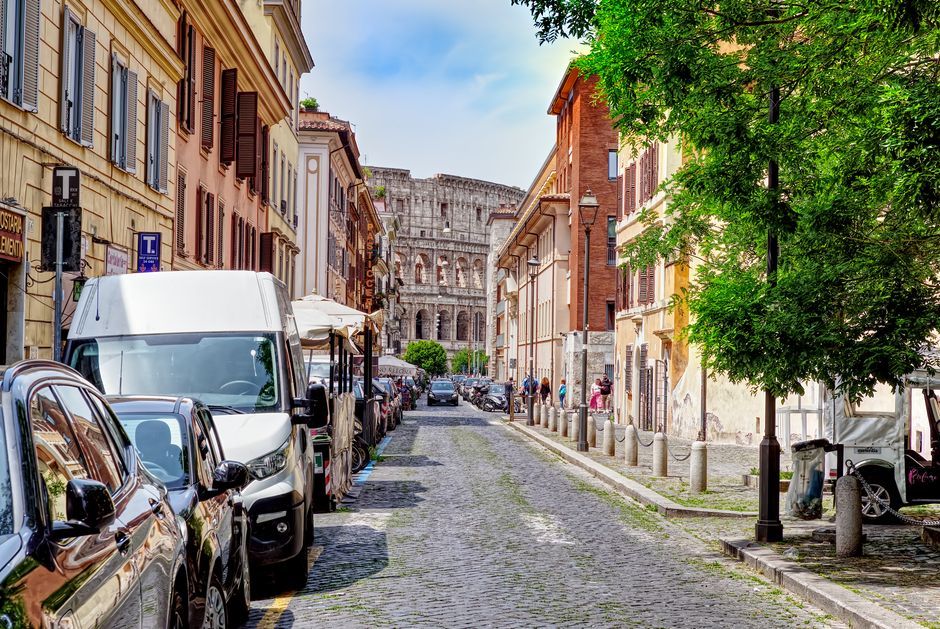
Rome is not dangerous, but it is the pickpocket capital of Europe. The Rome police report that most thefts happen at the Colosseum, Trevi Fountain, and inside the metro. You need a bag that makes theft physically difficult, not just a bag that zips shut.
What to look for: A crossbody bag with slash-resistant straps, lockable zippers, and RFID-blocking pockets. The bag should sit flat against your chest or hip, not dangle behind you. The Pacsafe Citysafe CX ($85) is the gold standard here. It has a stainless steel mesh in the fabric, a locking carabiner clip, and a cut-resistant strap that can be anchored to a chair or railing. The 2.5-liter size fits a phone, passport, small wallet, and a compact fan — nothing more.
If you want something smaller, the Travelon Anti-Theft Crossbody ($55) has a similar locking system but uses a lighter fabric. It holds the same essentials but weighs 30% less. Neither bag will stop a determined thief with a knife, but they will stop the opportunistic grab that happens 95% of the time.
When NOT to buy an anti-theft bag: If you are staying in a hotel with a safe and only taking guided tours with a locked bus, a standard canvas tote is fine. But for anyone using public transit or visiting crowded landmarks, an anti-theft bag is not optional.
Walking Shoes: The Difference Between a Great Trip and a Painful One
You will walk 10 to 15 miles per day in Rome. That is not an exaggeration — the city is compact but spread out, and public transport does not reach every corner. The average tourist walks from the Colosseum to the Roman Forum to the Pantheon to Trevi Fountain in a single morning. That is about 4 miles on uneven stone.
The wrong shoe: Flat canvas sneakers (like Converse or Vans) offer zero arch support and have thin soles. After 3 miles, your feet will hurt. After 6 miles, you will be limping. After 10 miles, you will skip the next day’s itinerary.
The right shoe: A walking shoe with a structured heel cup, a rocker sole, and a rubber outsole with deep tread. The Nike Pegasus Trail 4 ($140) works well because it has a full-length Air Zoom unit for cushioning and a grippy outsole that handles wet cobblestones. The Hoka Clifton 9 ($145) is lighter and has more foam under the heel, which helps if you have plantar fasciitis. Both shoes have a roomy toe box — important because your feet will swell in the heat.
One hard rule: Do not wear new shoes for the first time in Rome. Break them in for at least two weeks at home. Blisters from new shoes are the number one medical complaint among Rome tourists.
Cooling Gear: Surviving Rome in Summer

Rome in July and August hits 95°F with high humidity. Most hotels and all historic churches have no air conditioning. The metro has no AC on older lines. You will sweat through your clothes by 10 AM unless you plan for it.
The best cooling accessory is not a fan. It is a cooling towel. The Frogg Toggs Chilly Pad ($10) absorbs water and stays cool for hours through evaporation. You wet it, wring it out, and drape it around your neck. It lowers your core temperature by about 10°F. It weighs almost nothing and folds flat in a bag.
For a powered option, the Anker PowerCore Fusion ($50) is a 5000mAh power bank and wall charger in one device. It charges your phone and can power a small USB fan. Pair it with the JISULIFE Handheld Fan ($20), which has a 4000mAh battery and runs for 12 hours on low speed. It moves enough air to cool your face while waiting in line at St. Peter’s Basilica.
What not to bring: A neck fan. They are bulky, the battery lasts 3-4 hours, and the blades catch on your hair. A handheld fan is better in every way.
Packing Strategy: What to Leave Behind
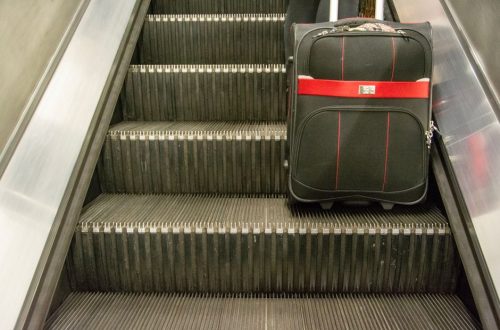
Most travelers overpack for Rome. Here is what you do not need: a laptop (you will not use it), a hairdryer (most hotels have one), multiple pairs of shoes (two is enough — one walking shoe, one sandal for evenings), and a large suitcase (you will struggle on cobblestones and in tiny elevators).
The ideal packing list for a 7-day Rome trip:
| Item | Quantity | Why |
|---|---|---|
| Anti-theft crossbody bag | 1 | Security for daily sightseeing |
| Walking shoes | 1 pair | 10+ miles per day |
| Cooling towel | 1 | Summer heat relief |
| Portable fan + power bank | 1 each | Queues and no AC |
| Lightweight scarf or shawl | 1 | Church dress code (cover shoulders/knees) |
| Reusable water bottle | 1 | Free public water fountains everywhere |
| Crossbody bag (evening) | 1 | Smaller, lighter for dinner |
The scarf is the most overlooked item. The Vatican, St. Peter’s, and most major churches require covered shoulders and knees. Without a scarf, you will be turned away or forced to buy a paper cover-up for €5. A thin cotton scarf weighs nothing and solves the problem instantly.
Final Recommendation: The Three Accessories That Matter Most

If you buy only three accessories for Rome, make them these:
- Pacsafe Citysafe CX or similar anti-theft crossbody bag. This is not optional. You will use it every single day.
- Hoka Clifton 9 or Nike Pegasus Trail 4. Your feet will thank you after day one.
- Frogg Toggs Chilly Pad cooling towel. Cheap, effective, and saves you from heat exhaustion in August.
Everything else — packing cubes, noise-canceling headphones, travel pillows, garment bags — is secondary. Rome is a walking city with a heat problem and a theft problem. Solve those two problems first, and the rest of your trip will take care of itself.