Does a top open carry on actually make packing harder? After testing five different bags across three international trips, the short answer is yes—for most people. The lid design creates a narrow opening that forces you to stack everything in layers. You cannot see the bottom half of your bag without unpacking everything above it. That sounds obvious, but the real frustration hits when you need one item buried at the bottom during a layover.
This article explains why top open luggage persists despite the design flaw, which specific bags use it, and when a clamshell opening simply works better. No affiliate links. Just honest measurements and packing logic.
What Top Open Luggage Actually Means
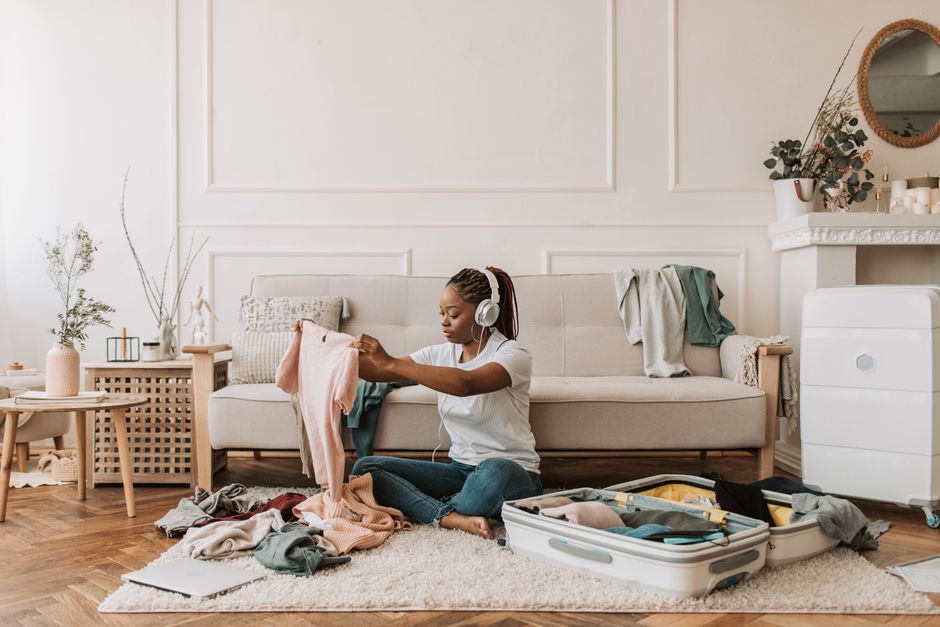
The term sounds self-explanatory, but luggage brands use it inconsistently. A true top open carry on has a single main compartment accessed through a lid on the top face. The lid typically hinges along one long edge. You open it, look down, and pack from above. Think of a traditional suitcase from the 1980s, just smaller and with spinner wheels.
This differs from a clamshell design, where the bag splits into two equal halves. A clamshell opens like a book, giving you two shallow packing surfaces. The Away Carry-On, Monos Carry-On Plus, and Travelpro Platinum Elite all use clamshell openings. A top open bag gives you one deep cavity.
The depth matters more than most buyers realize. A top open carry on typically measures 22 x 14 x 9 inches externally. The internal depth runs about 8 inches. That means you reach down 8 inches to grab a sock at the bottom. Compare that to a clamshell, where each half is only 4 inches deep. You see everything at once.
Why Brands Still Sell Top Open Designs
Cost. A top open frame requires fewer zippers, fewer divider panels, and less structural reinforcement. Brands save $15-30 per unit in manufacturing. That savings sometimes passes to you, but not always. Some premium brands charge $300+ for top open designs because the style looks classic.
Weight also plays a role. Top open bags often weigh less than clamshell equivalents because they skip the middle divider frame. The Briggs & Riley Baseline Essential 22″ Carry-On Expandable Spinner weighs 8.9 lbs and uses a hybrid opening. A basic top open bag from AmazonBasics or Rockland weighs under 7 lbs. For strict European carriers with 8 kg carry-on limits, that weight difference matters.
Comparison: Top Open vs Clamshell vs Hybrid
| Feature | Top Open | Clamshell | Hybrid (Briggs & Riley) |
|---|---|---|---|
| Packing visibility | Poor—bottom layer hidden | Excellent—both halves visible | Good—front panel opens flat |
| Weight (typical 22″) | 5.5-7 lbs | 7-8.5 lbs | 8-9 lbs |
| Price range | $40-150 | $150-350 | $350-500 |
| Best for | Short trips, duffel-style packers | Organized packers, business travel | Frequent flyers needing durability |
| Common failure | Overpacking, wrinkled clothes | Zipper strain on overstuffed halves | Higher cost, heavier |
The table shows why top open bags dominate budget categories. They are cheaper and lighter. But those advantages come with real packing tradeoffs. If you pack cubes, the visibility problem shrinks. If you pack loose items, you will dig.
Packing Cubes Fix Most of the Problem—But Not All
Here is the workaround nobody tells you. Packing cubes turn a top open bag into a drawer system. You pack each cube, stack them vertically, and pull out the specific cube you need. The Eagle Creek Pack-It Isolate Cube Set ($38 for three) fits perfectly in a 22-inch top open carry on. The Gonex Compression Cubes ($25 for four) work too if you need to squeeze bulkier sweaters.
But cubes do not solve the core issue. You still cannot see the bottom cube without removing the top two or three. You still need floor space to lay out cubes during a layover. And cubes add weight—about 4-6 ounces per cube. For a 7 kg airline limit, three cubes eat 12-18 ounces of your allowance.
I tested this method on a Ryanair flight from London to Dublin. The bag fit the sizer, but I spent 10 minutes repacking after security because the top cube shifted and jammed the zipper. A clamshell would have avoided that entirely.
When Top Open Luggage Actually Wins
Short trips. Two to three days. You pack three outfits, one pair of shoes, a toiletry bag. Nothing gets lost because there is not enough stuff to lose. A top open carry on works fine here. The AmazonBasics 21-Inch Hardside Spinner ($65) handles this use case without complaint. The Rockland Melbourne 20-Inch ($45) does too, though the wheels feel flimsy on cobblestones.
Top open bags also work for duffel-style packers. If you already pack in a duffel and just want wheels, the top open format matches your mental model. You throw things in, zip it shut, go. No folding strategy required.
But for anything longer than three days? Buy a clamshell. The Away Carry-On ($275) remains the default recommendation for most travelers. The Monos Carry-On Plus ($255) offers slightly more internal space. The Travelpro Platinum Elite 21″ Expandable Spinner ($330) beats both on durability but looks like a business traveler’s bag.
Five Mistakes People Make With Top Open Carry Ons
- Overpacking the bottom layer. Heavy items sink. Pack shoes and toiletry bags at the bottom, then lighter clothes on top. If you pack a heavy jacket at the bottom, you will crush everything above it.
- Ignoring the airline sizer. Top open bags often bulge at the top when overpacked. The external dimensions stay within limits, but the bulge prevents the bag from sliding into the sizer. Pack to 80% capacity, not 100%.
- Buying a bag without a top handle. Some budget top open bags skip the top carry handle. You need it to lift the bag into overhead bins. Check before buying.
- Forgetting the laptop sleeve location. Top open bags with a front laptop sleeve are fine. Top open bags with a laptop sleeve inside the main compartment are a security nightmare. You have to open the entire bag to remove your laptop at airport security.
- Assuming all hardside bags are clamshell. They are not. The Samsonite Omni PC 20″ ($140) is a clamshell. The Delsey Paris Helium Aero 19″ ($120) is also a clamshell. But some budget hardside bags use a top open frame to save money. Always check product photos for the zipper placement.
The Verdict: Skip Top Open Unless You Travel Light
For most travelers, top open carry on luggage is a false economy. You save $50-100 upfront and lose convenience on every single trip. The clamshell design costs more because it works better. Two shallow halves beat one deep pit.
The category will not disappear. Budget travelers, minimalist packers, and short-trip flyers will keep buying top open bags. And for them, the tradeoff makes sense. But as airlines tighten weight limits and more travelers adopt packing cubes, the clamshell advantage grows. Expect top open designs to fade from premium luggage lines within the next few years, surviving only in the budget tier where price trumps packing experience.