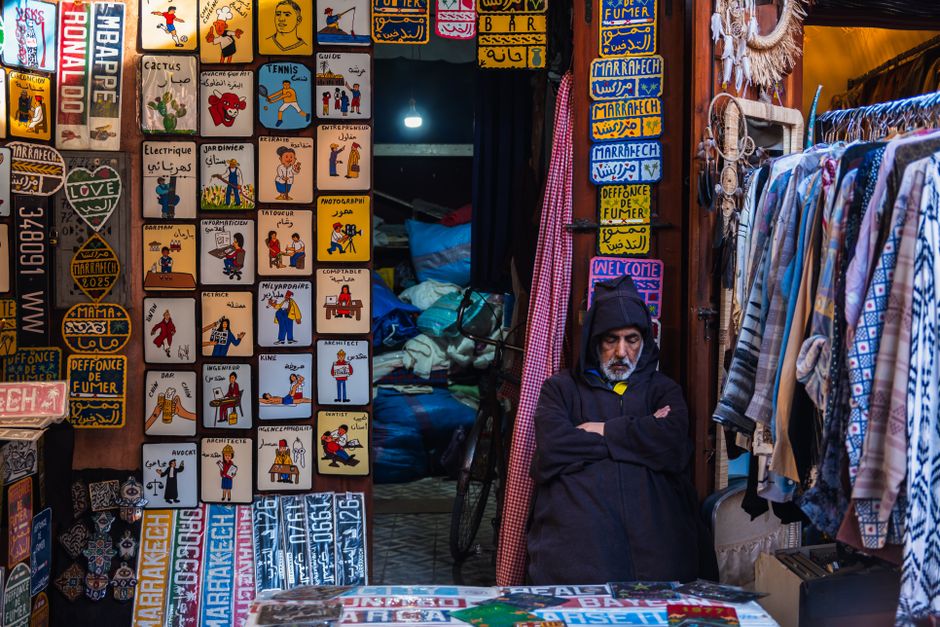
You have ten days in Morocco and two cities on your list. Marrakech gets the Instagram glory. Fes gets the history books. Which one actually delivers a deeper cultural experience in 2026? I spent three weeks between both cities last spring, tracking costs, talking to local guides, and walking every major alley. Here is the honest breakdown.
What You Actually Get for Your Money: Cost of Cultural Access
Culture costs money. Entry fees, guides, tips, and the time you waste figuring out where to go. I tracked every dirham spent on cultural sites in both cities. The numbers tell a clear story.
| Category | Marrakech (MAD) | Fes (MAD) |
|---|---|---|
| Entry to top medersa (school) | 70 (Ben Youssef) | 20 (Al Attarine) |
| Museum entry (average) | 80 | 30 |
| Private guide, half-day | 400-500 | 250-350 |
| Hammam with scrub | 250-400 | 150-250 |
| Dinner for two, local spot | 250-400 | 150-250 |
Fes is roughly 40% cheaper across the board. That matters when you are trying to afford three guided walks instead of one. But cheap does not mean shallow. The Al Attarine Medersa in Fes costs 20 MAD (about $2) and holds tilework that took ten years to complete. The Ben Youssef Medersa in Marrakech costs more than triple that and feels more restored than original.
Bottom line: For the same $100 budget, Fes lets you see five major cultural sites with a guide. Marrakech gives you two.
The Authenticity Trap: Which Medina Feels Real?
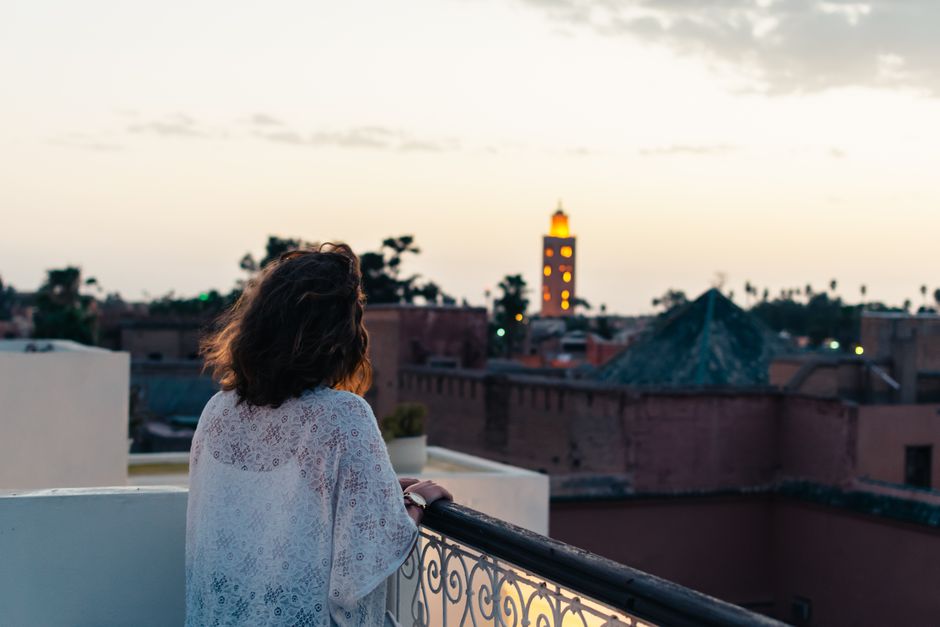
Every traveler says they want “authentic” culture. What they usually mean is “not a tourist trap.” Both medinas are UNESCO World Heritage sites. Both are ancient. But they operate very differently in 2026.
Marrakech’s medina is a production. The Jemaa el-Fna square runs like a curated show: snake charmers, juice stalls, henna artists. It is impressive. It is also staged. Locals told me the square has shifted almost entirely toward tourist money since 2026. The real commerce—butchers, spice wholesalers, metalworkers—has moved to outer neighborhoods.
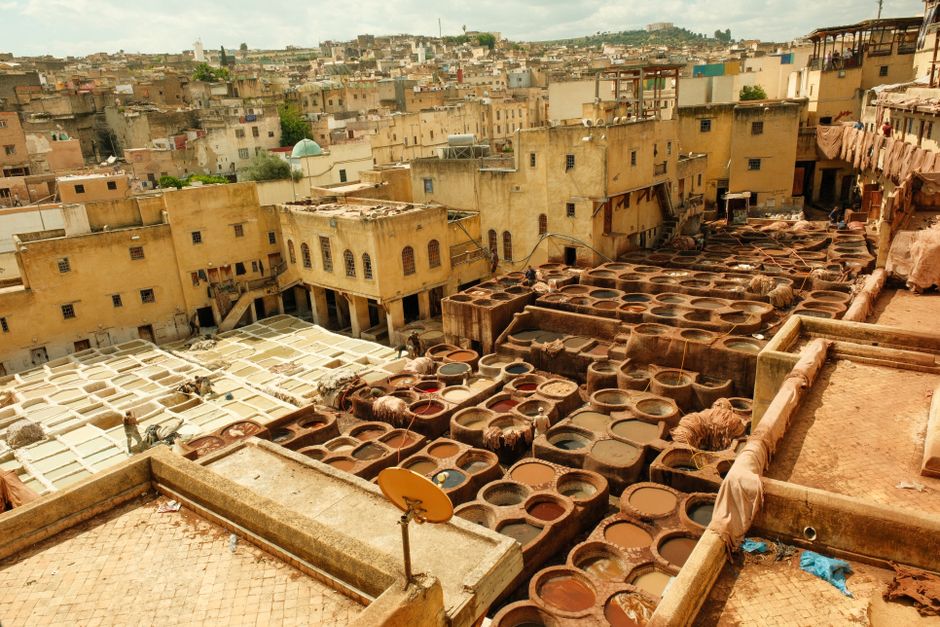
Fes medina (Fes el-Bali) is the opposite. It remains a working city of 150,000 residents. You walk through the Chouara Tannery and see men dying leather the same way they did in the 12th century. No velvet ropes. No ticket booth. You stand on a balcony above the vats, handed a sprig of mint to mask the smell, and watch actual labor. The tanneries produce leather that ends up in local workshops, not souvenir shops.
That does not mean Fes is flawless. Touts are aggressive. The maze of 9,500 alleys is disorienting. You will get lost. But getting lost in a living city feels different than getting lost in a themed attraction.
Verdict: If you want to watch culture being made, Fes wins. If you want to consume culture in a clean, curated package, Marrakech is easier.
Architecture and Craft: The Hard Numbers
Both cities claim to be Morocco’s craft capital. I visited workshops in both and compared three things: age of techniques, number of active artisans, and price of a handcrafted item versus a machine-made copy.
Fes has approximately 12,000 registered artisans working in the medina. Marrakech has roughly 4,000. The difference is structural. Fes has a 1,200-year-old tradition of guild-based craft training. The Nejjarine Museum of Wooden Arts and Crafts in Fes documents this system with actual tools and apprenticeship records. Marrakech’s craft scene is younger, built mostly around the 16th-century Saadian dynasty’s building boom.
For architecture, Fes wins on density. The city has 14 historic medersas, 7 of which are open to the public. Marrakech has 2. Fes has the 9th-century Al-Qarawiyyin Mosque (non-Muslims cannot enter, but you can see the courtyard from the gate). Marrakech has the Koutoubia Mosque (similar restriction). The difference is that Fes’s residential architecture—the riads—are less likely to be converted into hotels. You can still see a family home interior if you book a guided walk through a non-tourist neighborhood.
One specific example: The Dar Batha Museum in Fes holds the largest collection of Fassi ceramics in the world. Entry is 10 MAD. The building itself is a 19th-century palace with original painted ceilings. Compare that to Marrakech’s Museum of African Contemporary Art (MACAAL), which costs 100 MAD and focuses on modern work.
My pick: For pre-20th century craft and architecture, Fes is the clear winner. For contemporary art and design, Marrakech edges ahead.
When Marrakech Is the Better Choice (and When It Is Not)
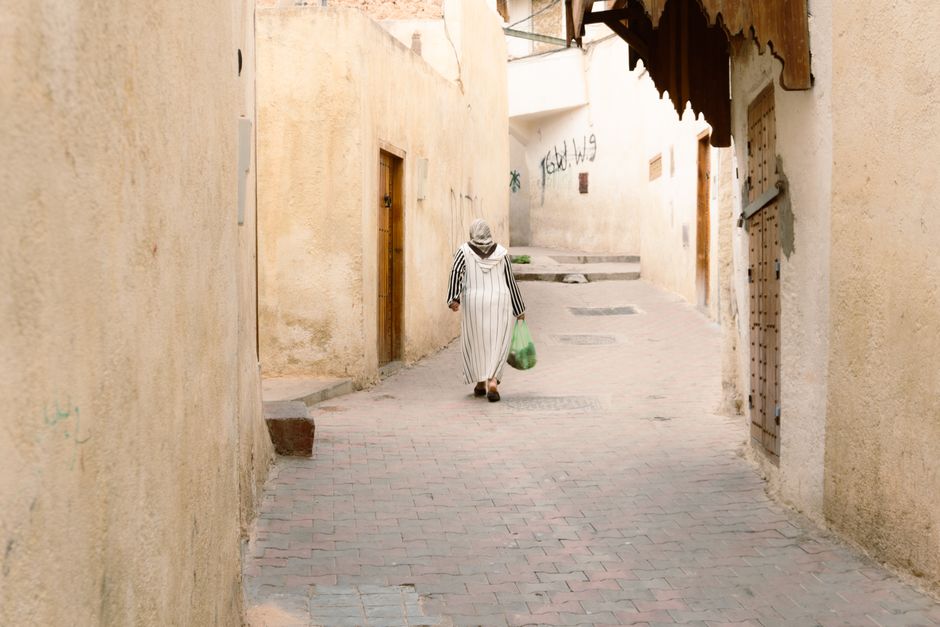
Marrakech gets a bad rap from purists. That is unfair. It serves a specific traveler well.
Pick Marrakech if:
- You have 3 days or less. The medina is compact. You can see the main sites in 48 hours without rushing.
- You want nightlife. Marrakech has rooftop bars, live music venues, and restaurants open past midnight. Fes shuts down by 10 PM.
- You are traveling with someone who needs accessibility. Marrakech’s medina is flatter and has wider main streets. Fes has steep hills, narrow alleys, and no wheelchair access to most sites.
- You prefer curated experiences. The cooking classes, guided photography walks, and boutique shopping in Marrakech are well-organized and English-friendly.
Do NOT pick Marrakech if:
- You want to see pre-colonial Morocco. The French Protectorate (1912-1956) heavily remodeled the city center. The “old” medina is largely 19th-century reconstruction.
- You are on a tight budget. Prices are inflated for tourists. Even street food costs 30-50% more than in Fes.
- You hate being hassled. Marrakech’s touts are relentless. I was approached 23 times in one hour walking from the square to the Saadian Tombs.
Common mistake: Assuming Marrakech is “easy” culture. It is easy access, not easy depth. You can spend four days there and feel like you saw everything. You did not. You saw the version of Morocco that the tourism board wants you to see.
Common Failure Modes: What Goes Wrong in Each City
Culture travel fails when you waste time on the wrong things. Here are the specific traps in each city.
In Marrakech:
- The “free” guide scam. Someone offers to walk you through the souk for free. They take you to their cousin’s shop. You feel pressured to buy. The rug that was “$300” becomes “$100” after negotiation. You still overpaid by 200%. Solution: hire a guide through a reputable agency (like Plan-It Morocco) for 400 MAD. They do not take commissions.
- The Majorelle Garden hype. Entry costs 150 MAD as of 2026. Lines are 45 minutes long. The garden is pretty but small. You can see similar botanical collections at the Menara Gardens for 20 MAD with no queue.
- Overpaying for riads. The Instagram-famous riads (like Riad Yasmine) charge $200+/night. You can stay in a non-photographed riad two blocks away for $60/night. Same architecture. Same breakfast. No pool.
In Fes:
- Getting lost without a plan. The medina has no logical street grid. Without a guide, you will spend 2 hours circling. That is time you could spend at the Bou Inania Medersa. Solution: book a guide for your first day. Cost is 250 MAD. Worth every dirham.
- The tannery leather trap. Guides take you to a tannery, then to a shop where they get a 20% commission. The leather goods are marked up 300%. Buy leather from the tanner’s cooperative directly (near the Chouara entrance) for fair prices.
- Assuming Fes is safe at night. It is, but the medina is dark and empty after 9 PM. Stick to the main streets or take a taxi to the new town (Ville Nouvelle) for dinner.
Failure mode common to both: Trying to do both cities in 5 days. You will spend one full day in transit (4 hours by train between the two). You will rush both medinas. You will leave feeling like you saw neither. Pick one and go deep.
The Verdict: One City for One Type of Traveler
Here is the short version. Fes is the better city for culture in 2026 if you care about depth, authenticity, and pre-modern craft. It is cheaper, less polished, and more demanding. You will work harder for the experience. That work pays off.
Marrakech is the better city if you have limited time, want a comfortable introduction to Moroccan culture, or are mixing in nightlife and shopping. It is easier, more expensive, and less real. That is fine for many travelers. Just know what you are buying.
I went into this comparison expecting a draw. I came out with a clear winner for my own travel style. Fes felt like I had stepped into a living textbook. Marrakech felt like I was watching a highlight reel. Both are valid. But if you are a culture buff—someone who wants to understand how people actually lived and worked for the last thousand years—book the train to Fes. Bring good walking shoes. And do not forget the mint.