Most people think Ecuador is small, so they can see everything in a week. They land in Quito, rush to Cotopaxi, fly to the Galapagos, then try to squeeze in the Amazon. That is a recipe for spending half your trip in transit and remembering nothing except bus seats and airport floors.
Ecuador is compact, yes. But the geography changes fast. You go from 2,850 meters in Quito to sea level in the Pacific, then back up to 3,500 meters in the Andes, then down to 300 meters in the Amazon basin. Your body needs time to adjust. Your mind needs time to actually see a place instead of checking it off a list.
I spent three weeks there and made every mistake possible. Here is what I would tell a friend planning a trip now.
Why Most Ecuador Itineraries Fail Before You Leave Home
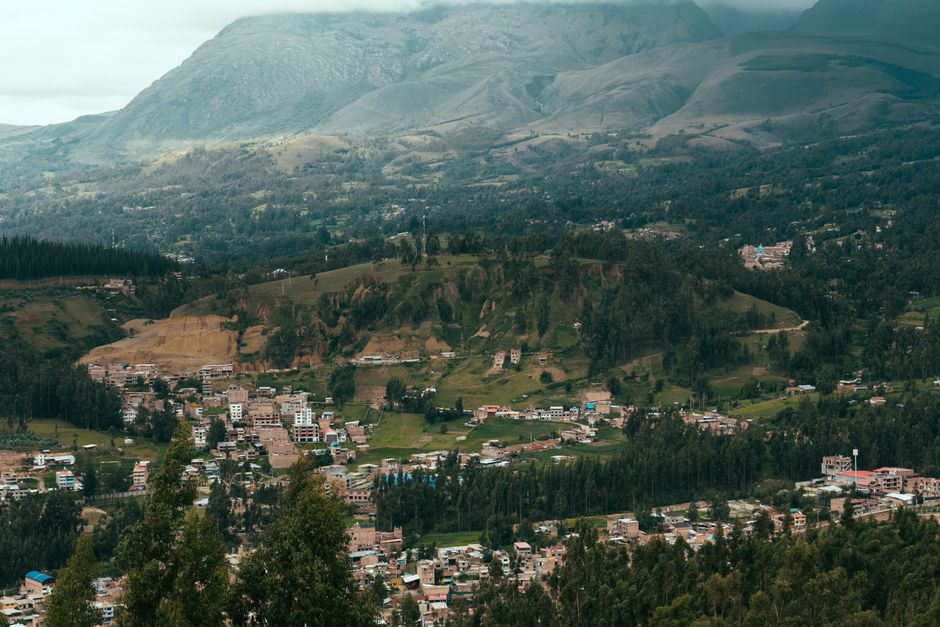
The biggest mistake is treating Ecuador like a single destination. It is not. It is four distinct regions stacked on top of each other: the Andes highlands, the Amazon rainforest, the Pacific coast, and the Galapagos Islands. Each one has different weather, different transportation times, and different costs.
A common itinerary looks like this: Day 1 Quito, Day 2 Cotopaxi, Day 3 fly to Galapagos, Day 4-5 Galapagos, Day 6 fly back, Day 7 Amazon. That is six transfers in seven days. You will spend at least 20 hours in transit. You will be exhausted by day four.
The Altitude Problem Nobody Plans For
Quito sits at 2,850 meters. Cotopaxi base camp is at 4,500 meters. If you fly in from sea level and immediately hike, you will feel sick. Headaches, nausea, shortness of breath. Some people end up in a clinic instead of on a trail.
Plan at least two days in Quito before any high-altitude activity. Drink water. Skip alcohol. Walk slowly. Your itinerary should treat altitude adjustment as a real activity, not dead time.
The Distance Illusion
On a map, Quito to the Amazon looks close. It is not. The road from Quito to Tena takes about 4 hours by bus, but only because the road drops from 2,850 meters to 500 meters through winding mountain passes. The same goes for the coast. Quito to Montañita is a 9-hour bus ride. You cannot do these as day trips.
Ecuador’s small size tricks people into thinking travel times are short. They are not. The terrain is brutal on roads.
A Realistic 10-Day Ecuador Itinerary That Does Not Burn You Out
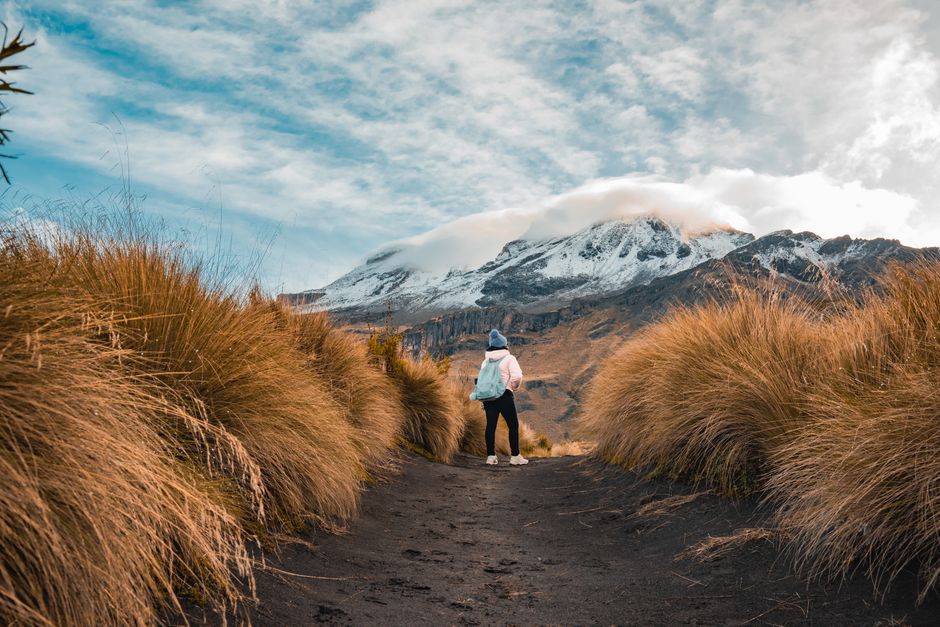
This route focuses on the Andes and the Amazon. It skips the Galapagos. You can add the Galapagos as a separate 5-day extension if you have the budget, but do not try to combine everything in one week.
| Day | Location | Activity | Travel Time |
|---|---|---|---|
| 1 | Quito | Arrive, rest, walk around La Floresta | 0 |
| 2 | Quito | Old Town, Teleférico, altitude adjustment | 0 |
| 3 | Quito → Cotopaxi | Drive to Cotopaxi, short hike, sleep at hacienda | 2 hours |
| 4 | Cotopaxi → Quilotoa | Quilotoa crater lake, sleep in Chugchilán | 3 hours |
| 5 | Quilotoa → Baños | Scenic drive, afternoon in Baños | 4 hours |
| 6 | Baños | Waterfalls, hot springs, rest day | 0 |
| 7 | Baños → Tena | Enter Amazon basin, night walk | 3 hours |
| 8 | Tena | Amazon lodge, canoe trip, wildlife | 0 |
| 9 | Tena → Quito | Return to Quito, final dinner | 4 hours |
| 10 | Quito | Fly home | 0 |
This itinerary gives you two days to adjust to altitude before Cotopaxi. It builds in rest days. It does not try to do everything.
What to Book in Advance (and What to Leave Open)
Book your first two nights in Quito before you arrive. Book any Amazon lodge at least two weeks ahead, especially in high season from June to September. The good lodges fill up fast.
Do not book every bus ticket in advance. Ecuador’s bus system is flexible and cheap. You can buy tickets at the terminal the day before or even the day of travel. Leaving some flexibility means you can stay an extra day in a place you love or leave early if the weather turns bad.
For Cotopaxi, you do not need a guide for the park entrance and short hikes. You do need a guide if you want to summit. The summit is a serious climb with glacier travel. Do not attempt it without experience.
When to Skip the Galapagos (And When Not To)
The Galapagos is the most expensive part of any Ecuador trip. A 5-day cruise costs between $2,500 and $6,000 per person. A land-based trip is cheaper, around $1,200 to $2,000 for 5 days, but you still need to factor in the $200 park entry fee and the $120 round-trip flight from Quito.
Skip the Galapagos if your total trip is under 10 days. You will spend two of those days just getting there and back. You will feel rushed. You will pay a lot of money for a short, stressful experience.
Include the Galapagos if you have 14 days or more and a budget of at least $3,000 per person for that leg alone. The wildlife is unlike anywhere else. Sea lions, giant tortoises, marine iguanas. It is worth it if you can do it properly.
For most first-time visitors, the Andes and Amazon offer more than enough. You save money, you avoid the flight logistics, and you actually experience mainland Ecuador instead of sprinting through it.
What to Pack for Ecuador’s Climate Whiplash
You will experience four seasons in one day. Morning in Quito can be 10°C. Afternoon in the Amazon can hit 30°C with 90% humidity. Your packing list has to handle both.
- Layers, not jackets. A merino wool base layer, a fleece, and a lightweight rain shell work better than one heavy coat.
- Rain gear that actually works. The Amazon rains every day. A poncho is not enough. Get a proper rain jacket like the Patagonia Torrentshell ($149) and quick-dry pants.
- Sturdy shoes. Trails in Cotopaxi and Quilotoa are muddy and rocky. Waterproof hiking shoes like the Salomon X Ultra 4 ($165) beat sneakers.
- Altitude medication. Bring acetazolamide (Diamox) if you are prone to altitude sickness. Start taking it 24 hours before you arrive in Quito.
- Water purification. Tap water is not safe to drink. A SteriPen or a LifeStraw bottle ($45) saves you from buying plastic bottles every day.
Do not pack for a beach vacation. Even on the coast, evenings are cool. The Andes are cold at night. The Amazon is hot and wet. Pack for all of it.
Transportation in Ecuador: Buses, Taxis, and the Truth About Renting a Car
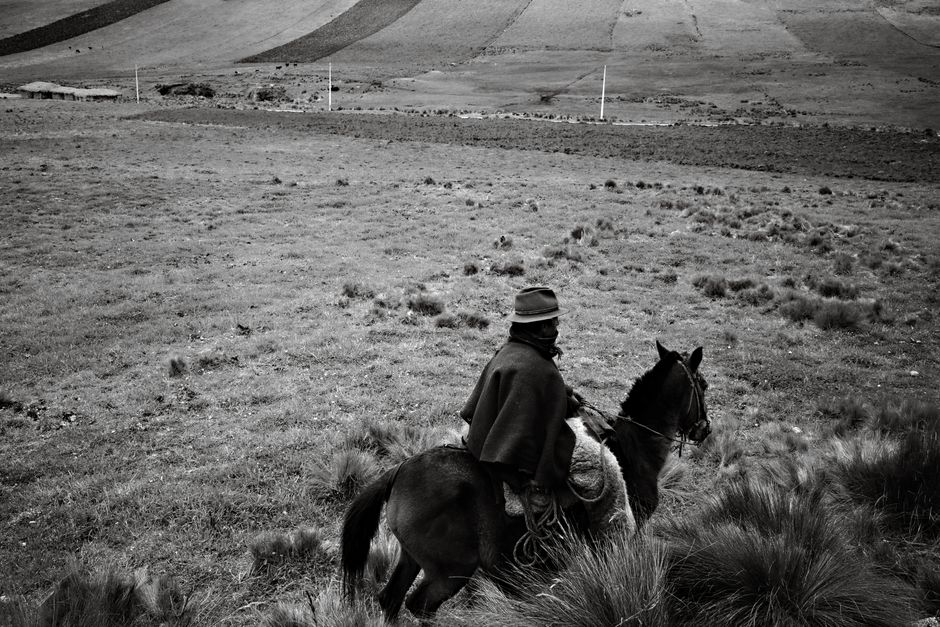
Buses are the backbone of Ecuadorian travel. They are cheap, frequent, and go everywhere. A 4-hour bus ride costs about $5 to $8. You can show up at the terminal and buy a ticket. No need to book online.
For shorter trips, taxis are affordable. A ride across Quito costs $3 to $5. Use the Uber app or the local equivalent, Cabify. Both work well in Quito and Guayaquil.
Renting a car is possible but I do not recommend it. The roads are winding, the traffic in Quito is chaotic, and parking is a hassle. A car rental costs $40 to $60 per day before insurance. You will spend more time worrying about the car than enjoying the trip. Buses and taxis are easier and cheaper.
For the Quilotoa loop, you can take buses from Latacunga to Chugchilán. They run a few times a day. The ride is bumpy but scenic. It costs about $3.
Budget Reality Check: What Ecuador Actually Costs in 2026
Ecuador uses the US dollar. That makes budgeting easy but also means prices are not as low as in Peru or Bolivia. A mid-range traveler should budget $60 to $90 per day for the mainland, excluding flights.
A private room in a decent hostel or budget hotel costs $25 to $40 per night. A meal at a local restaurant costs $4 to $7. A nicer dinner with a drink costs $15 to $20. Entrance fees add up: Cotopaxi National Park is $10, Quilotoa is $2, and the Teleférico in Quito is $9.
The Amazon lodges are the biggest expense. A 3-day, 2-night package at a place like Hakuna Matata Amazon Lodge in Tena costs about $180 to $250 per person, including meals and activities. That is worth it. You cannot do the Amazon on your own easily.
If you add the Galapagos, double your total budget. A 5-day land-based trip starts at $1,200 per person. A cruise starts at $2,500. That is before the flight and park fees.
Do not try to do Ecuador on $30 a day. You will end up skipping the best experiences to save a few dollars. Budget $70 a day for the mainland and you will have a comfortable, memorable trip without overspending.