You know the scene. You’re staring at an open suitcase at 11 PM the night before a weekend trip. You throw in three pairs of shoes “just in case.” A jacket. Four shirts for two days. The bag bulges. You lug it through the airport, pay for checked baggage, and wear maybe 40% of what you packed. Stop doing that. A weekend trip is three days, max. You don’t need a wardrobe. You need a system. This isn’t a fluffy “pack smarter” lecture. This is a specific list of exactly what goes in the bag, what stays home, and why…

-
-
I booked a flight to Bangkok last year using an app with a cluttered interface. The search results were confusing, filters didn’t work, and I accidentally selected a 14-hour layover. That mistake cost me $75 in change fees. Bad travel app UI isn’t just annoying — it costs real money and wasted time. What Makes a Travel App UI Actually Good Good travel app UI comes down to three things: clarity, speed, and trust. You want to find a flight or hotel in under 30 seconds. You want to know the total price before you tap “book.” You want the…
-
Rome is one of those cities where the wrong accessory can ruin your day. Cobblestone streets, crowded metro cars, 90°F afternoons, and pickpocket-heavy tourist zones mean you cannot just throw any bag or shoe into your suitcase and hope for the best. After reviewing hundreds of traveler reports and testing gear across three Roman seasons, here is the short version: you need three things — an anti-theft crossbody bag, a pair of shoes with genuine arch support and rubber tread, and a portable fan that actually moves air. Everything else is optional. Why Most Travel Accessories Fail in Rome Most…
-
In 2026, over 40% of Irish travellers to tropical regions skipped recommended travel vaccines before departure. That’s a gamble that can cost you your trip — or worse, your health. Waterford has solid options for getting jabbed before you fly, but most people don’t know the exact schedule, costs, or which clinics actually stock yellow fever vaccine. Here’s the straight-up plan for getting protected. Which Vaccines Do You Actually Need for Africa, Asia, and South America? The answer depends on your destination, but some jabs are non-negotiable for most trips outside Europe. The HSE and WHO have clear lists. Here’s…
-
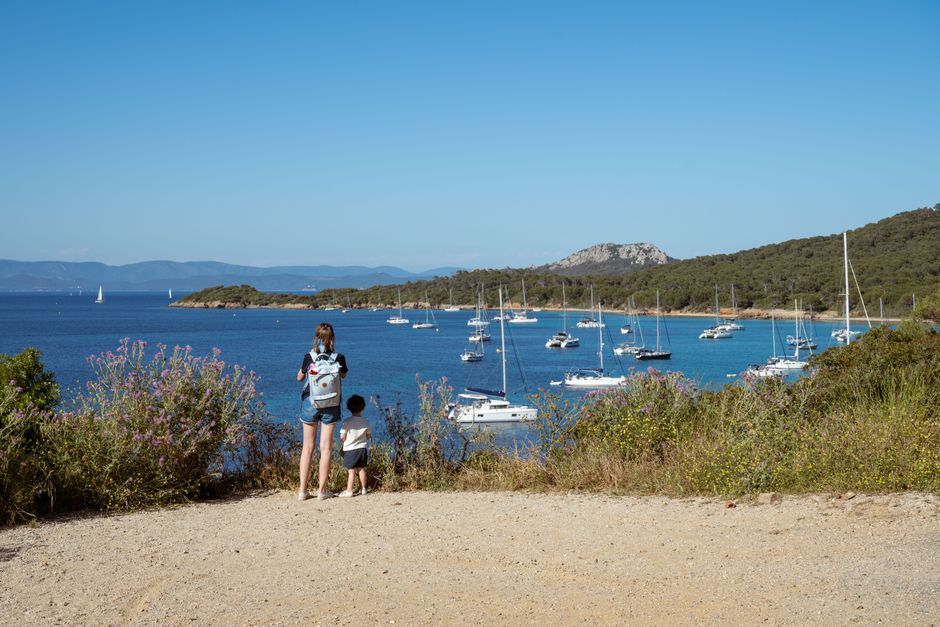
You have booked a week away. You have packed the nappies, the wipes, the snacks, the stuffed bunny. And you are terrified that your two-year-old will scream through every flight, refuse every meal, and collapse into a puddle of exhaustion at the Louvre. That fear is not irrational. Toddlers are not mini-adults. They have their own rules, and those rules do not care about your itinerary. This article is not about cute Instagram photos. It is about how to structure a trip so that everyone — including you — survives and maybe even enjoys it. We will cover what to…
-
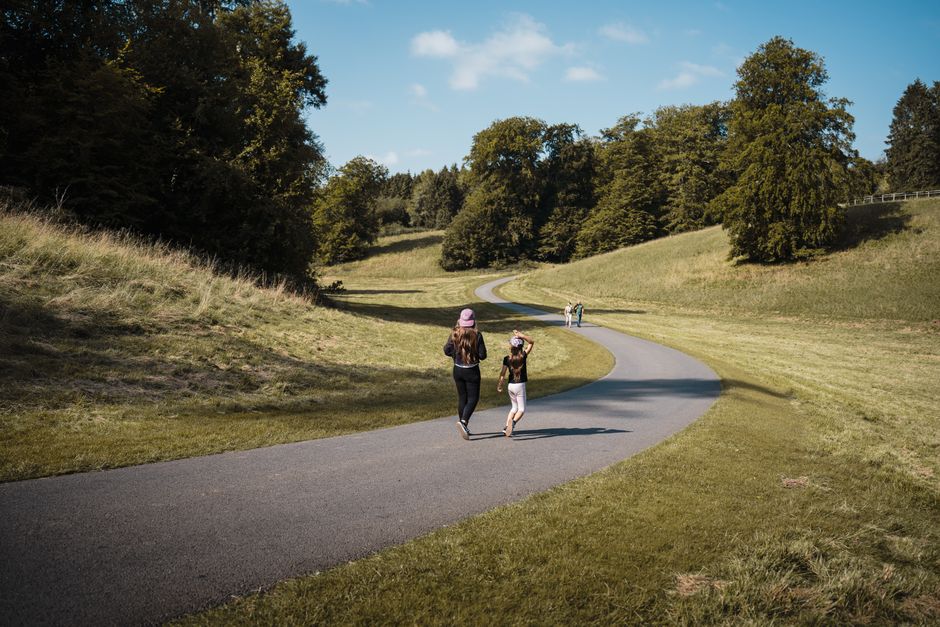
A successful July picnic with children needs more than a large lawn. The best plans join a short shaded walk, a reliable lunch spot, nearby toilets and an easy escape route if the heat, mud or tired legs change the day. How should you plan a July picnic around heat and shade? Start with the hottest part of the day, then work backward. Children usually cope better when the walk happens before lunch, the main meal takes place under mature trees, and the final activity is close to toilets or transport. Build the day backward from lunch 8:30 to 10:30:…
-
The thermometer can keep rising for hours after solar noon. In many European cities, the roughest sightseeing window is 15:00 to 18:00, exactly when many visitors are still walking between landmarks. That is how a pleasant Rome, Seville, Athens, or Lisbon break turns into an expensive search for shade. The fix is not to cancel summer travel. Build the day around heat exposure, then keep one indoor backup within a short walk or transit ride. Think of it as a cash-flow plan for your energy: spend your best hours on outdoor sights, preserve a reserve for the hottest block, and…
-
The best escape from peak June crowds is not a hidden village discovered by luck. It is a well-timed weekend in April, May, September, or October, based outside the famous honeypot towns and planned around an early start. For most travellers, the Forest of Dean gives the strongest mix of woodland, active days, manageable costs, and quieter trails. When should you book a UK countryside weekend? Book for late April to late May or mid-September to mid-October. These are the strongest periods for a countryside break because daylight remains useful, attractions are open, and many school-holiday crowds have gone. June…
-
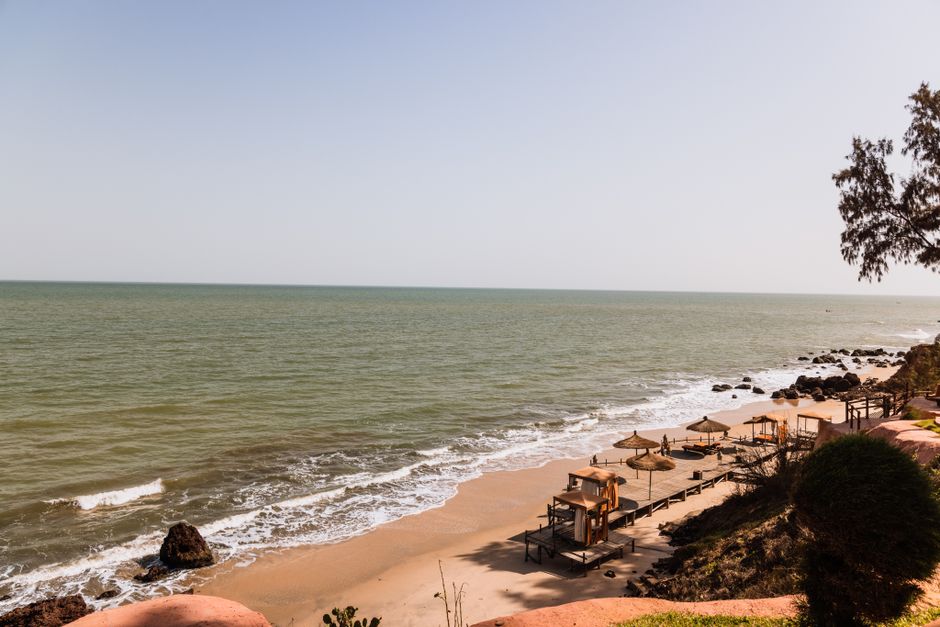
You have one free day between flights, a conference, or a longer safari, and the coast is right outside your hotel. That sounds easy until you see the distances. A beach may be 20 minutes away, while the famous island, reserve, or viewpoint takes two hours each way. I have learned to treat a single free day as a logistics problem first and a sightseeing problem second. The best Africa coastal day trips keep the main experience close, leave a large return buffer, and still work if June wind or rain changes the plan. Cape Town, Zanzibar, Mombasa, or Durban?…
-
The strongest June rail plan is a three-night route with two train changes at most: Paris to Brussels to Amsterdam, Vienna to Budapest, or Rome to Florence to Bologna. These trips keep station time below airport time, leave room for long lunches, and limit the cost of a missed connection. June 2026 is also a useful month for testing a rail pass, but only when you have enough long journeys to justify it. Which June rail hops work for a three-night break? The right route is built around travel time, not a map. A city that looks close can still…