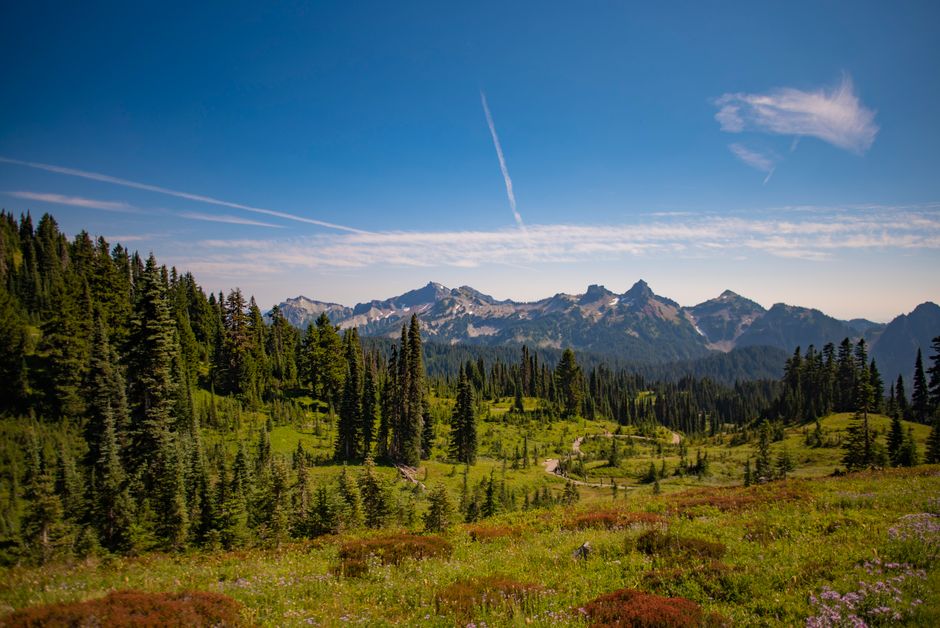
You’ve watched the YouTube videos. You’ve seen the Instagram reels of sunsets over Mount Whitney. Now you’re sitting on your couch wondering if you can actually hike 2,650 miles from Mexico to Canada.
The short answer is yes. Thousands of people do it every year. But most first-timers make the same predictable mistakes. They buy too much gear, they overplan the first week, and they underestimate how boring the desert actually is.
This guide skips the fluff. It tells you exactly what to expect, what to buy, and what to avoid so you don’t waste $2,000 on gear you’ll ditch in the first town.
What Makes the PCT Different from Other Long Trails
The Pacific Crest Trail isn’t just long. It’s a specific kind of challenge that catches beginners off guard.
First, the elevation profile. The PCT gains and loses 300,000 feet of elevation total. That’s like climbing Mount Everest from sea level ten times. But it’s spread over five months. The real issue isn’t the climbs. It’s the descents. Your knees will hurt more than your lungs.
Second, the water situation. In the first 700 miles through Southern California, you’ll carry up to 6 liters of water at a time. That’s 12 pounds of just water. Most beginners don’t realize how heavy that gets until mile 20 of a dry stretch.
Third, the permit system. You need a PCT Long-Distance Permit from the Pacific Crest Trail Association. They release 50 permits per day starting in November for the next year’s season. For 2026, the application window opens November 12, 2026. Miss that window and you’ll need to piece together local permits for each section. Don’t miss it.
The PCT also has a specific social culture. Most hikers start at the southern terminus near Campo, California, between mid-April and early May. This creates a “bubble” of hundreds of hikers moving north together. You’ll see the same faces for weeks. Some become friends. Some you’ll avoid at every campsite.
The Gear That Actually Matters (and What You Can Skip)
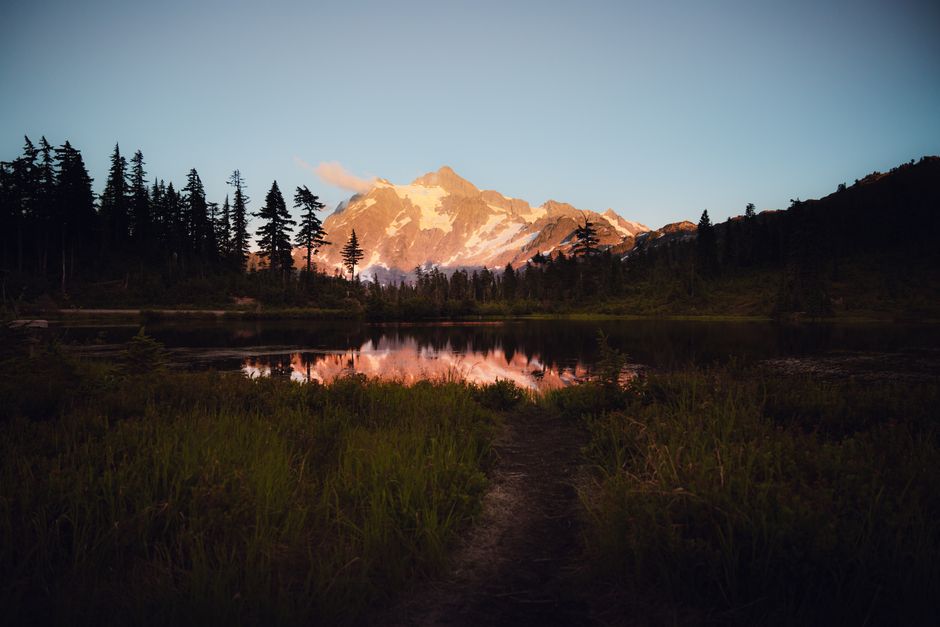
Here’s the truth about PCT gear: lightweight matters more than durability. You will walk 5 million steps. Every ounce you carry multiplies across every step. A 12-pound base weight vs a 20-pound base weight is the difference between finishing and quitting.
The Big Three: Pack, Shelter, Sleep System
Your pack should weigh under 2 pounds. The Zpacks Arc Haul Ultra ($395, 21 ounces) is the current gold standard for frameless packs that can still carry 30 pounds. The Gossamer Gear Gorilla 50 ($275, 31 ounces) is a better choice if you want a frame and don’t mind an extra 10 ounces.
For shelter, a trekking pole tent is the way to go. The Tarptent Aeon Li ($649, 19 ounces) is single-wall and pitches fast. The Durston X-Mid 2 ($340, 35 ounces) gives you more space for the weight penalty. Both are solid choices.
Sleep system: a 20-degree quilt from Katabatic Gear ($470, 22 ounces) or Enlightened Equipment ($395, 24 ounces) paired with a Therm-a-Rest NeoAir XLite NXT ($210, 13 ounces). That combo keeps you warm down to freezing and packs small.
What Beginners Overpack
- Camp shoes. You don’t need them. Your trail runners dry fast enough.
- Extra clothes. Two pairs of socks, one spare shirt, one puffy jacket. That’s it.
- Stove and fuel. Many hikers go stoveless after the first week. Cold-soak ramen works fine.
- Heavy cookware. A single 700ml titanium pot from Toaks ($35, 3.5 ounces) is all you need.
- Bear canister. You’re required to carry one through the Sierra Nevada section. Rent a BV500 ($5/day) in Kennedy Meadows rather than carrying it from the start.
Three Mistakes That Will Derail Your Hike
These are the patterns I see every year in trail reports and forum posts. Avoid them.
Mistake #1: Starting too fast. Your body needs 7-10 days to adapt. If you push 20-mile days in the first week, you’ll get shin splints, stress fractures, or tendonitis. Start with 10-12 mile days. Your ego will survive.
Mistake #2: Ignoring your feet. Blisters end more hikes than physical fitness does. Change your socks at every break. Let your feet air out in the afternoon sun. Use Leukotape P ($8) on any hot spots before they become blisters. Do not wait.
Mistake #3: Carrying too much food. Resupply points are every 3-7 days on the PCT. You do not need 10 days of food. You will hate yourself carrying it. Plan your resupply boxes in advance using the Halfway Anywhere PCT Survey to see which towns have grocery stores and which ones require mailed boxes.
PCT Budget Breakdown: What It Actually Costs
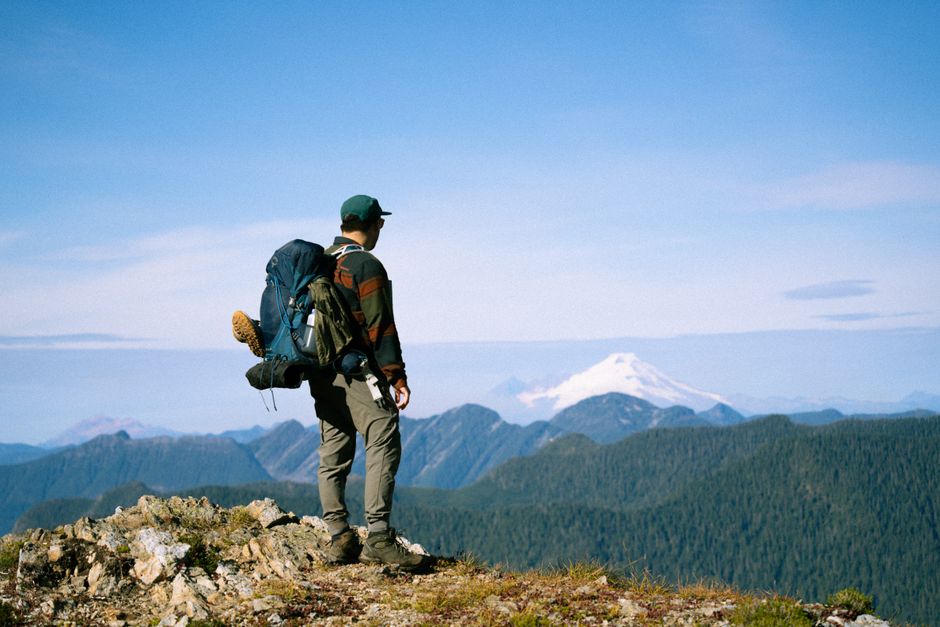
Here’s the real cost of a 2026 PCT thru-hike. These numbers come from the 2026 Halfway Anywhere survey averages, adjusted for inflation.
| Category | Low Budget | Mid Budget | High Budget |
|---|---|---|---|
| Gear (initial) | $1,200 | $2,500 | $4,000 |
| Food on trail | $2,000 | $3,000 | $4,500 |
| Town expenses (hotels, restaurants, laundry) | $1,500 | $2,500 | $4,000 |
| Transportation to/from trail | $300 | $600 | $1,200 |
| Permits and fees | $200 | $200 | $200 |
| Total | $5,200 | $8,800 | $13,900 |
Most hikers spend between $6,000 and $10,000 total. The biggest variable is how often you stay in hotels. Zero days in town cost $100-200 each once you factor in a room, restaurant meals, and resupply. Keep those to one per two weeks and you’ll save $1,000+.
When NOT to Buy Expensive Gear
If you’re not sure you’ll finish the trail, do not buy a $600 tent and a $400 pack upfront. Rent gear from REI or borrow from friends. You can also start with cheaper alternatives: the Naturehike Cloud Up 2 ($160, 3.5 pounds) is a decent budget tent. The Osprey Exos 48 ($220, 2.5 pounds) is a solid pack that won’t break the bank.
Buy the expensive stuff after you’ve hiked 500 miles and know exactly what you want. That’s what experienced hikers do.
The Mental Game Nobody Talks About
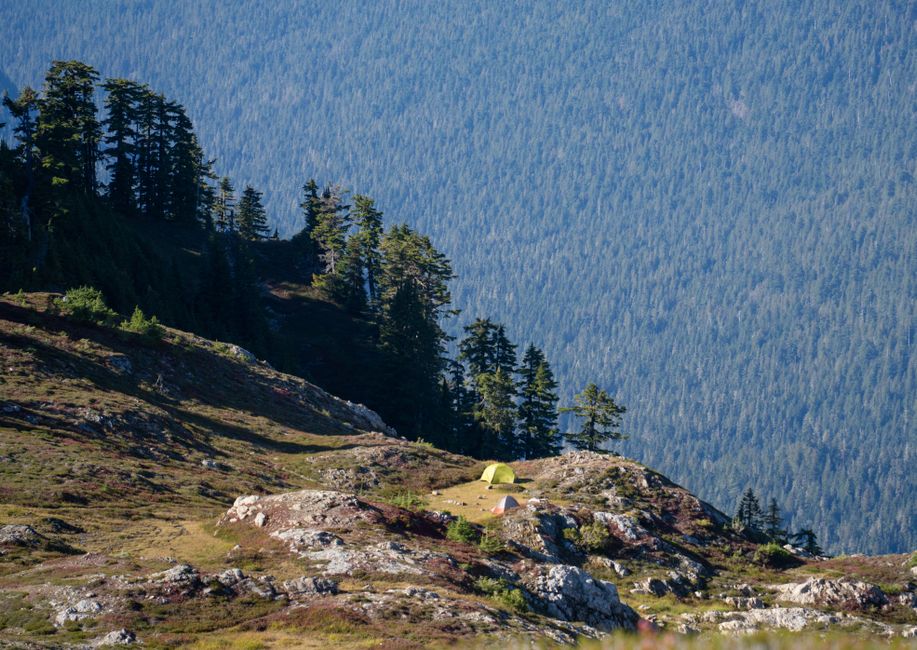
The physical challenge is real. But the mental challenge is what stops most people.
Days 3 through 10 are the hardest. Your body hurts, you’re not sleeping well, and you question every decision that got you there. This passes. By day 14, your body adapts and the trail becomes routine.
Then comes the boredom. The desert section is hot, exposed, and visually repetitive. You’ll walk for hours without seeing another person. Podcasts and audiobooks help. So does hiking with a partner. But you need to be okay with being alone with your thoughts for 8-10 hours a day.
The Sierra Nevada section is the opposite. It’s stunning, but it’s also dangerous. Snow crossings, river fords, and exposure above 12,000 feet. This is where you need to know your limits. If you’re not comfortable with an ice axe and microspikes, take a mountaineering course before you start. The Petzl Ride ice axe ($80) and Kahtoola KTS microspikes ($70) are standard gear for this section.
Then there’s the end. The last 500 miles through Washington feel endless. Your body is broken. Your motivation is gone. You’ve been walking for four months. Finishing at the northern terminus at Manning Park in British Columbia feels anticlimactic. There’s no parade. Just a wooden sign and a parking lot.
But you’ll know what you did. And that’s enough.
The PCT is not a vacation. It’s a long, uncomfortable, beautiful slog that changes how you see the world. If you go in with realistic expectations, the right gear, and a willingness to suffer a little, you’ll make it.
The trail is waiting. The permits open in November. Start planning now.