Book Tuesday to Thursday if museums are the reason for your May Europe city break. You will usually face shorter queues, more usable gallery time and less pressure to rush from one landmark to the next. The strongest plan is four nights in one city, with the biggest museum booked before lunch and the most popular attraction kept away from Saturday.
That sounds simple until a public holiday, a timed ticket, a late-opening schedule or a non-refundable room turns a calm break into an expensive logistics exercise. This guide treats the trip like a budget decision: identify the scarce resource, price the fixed costs, then build the itinerary around the days that give you the most museum time.
The best museum window is Tuesday or Wednesday morning
The calendar matters more than the month. Pick a Tuesday or Wednesday, arrive close to opening, and place the highest-demand museum first. The quietest plan is not a string of famous attractions; it is a schedule with spare capacity.
- Check closures before booking transport. May 1 is Labour Day in many European countries, and major museums or public services may close or run reduced hours. Do not build your arrival day around a museum that has not confirmed its opening hours.
- Book the first timed slot you can realistically reach. A 9:00 or 9:30 entry is useful only if your hotel, airport transfer and breakfast routine support it. A reliable 10:30 slot beats a missed early ticket.
- Keep the second museum at least four hours later. Add travel time, lunch and the possibility of a slow exhibition. Two major collections back to back usually creates fatigue, not value.
- Use late opening as a backup, not your whole plan. Evening hours can help on a Wednesday or Friday, but they often attract visitors who work during the day. A late slot is a good pressure valve, not proof that the building will feel empty.
- Leave one weather-proof block open. A covered market, cinema, café district or small museum can rescue a rainy afternoon without another expensive reservation.
Why the first hour usually wins
Early entry gives you a cleaner route through the building. You can see the most famous rooms before groups arrive and spend the afternoon on neighbourhoods, parks or smaller collections. The gain is practical: fewer bottlenecks, less standing and more control over lunch timing.
Why Tuesday is not automatically better
Every city has exceptions. A museum may close on Tuesday, run a school programme, or reserve a popular exhibition for timed entry all day. Check the official calendar for the exact week. “Midweek” is a planning advantage, not a guarantee of low attendance.
Paris, Amsterdam or Madrid: which May break earns the budget?
For a museum-first trip, Madrid is the best value, Amsterdam is the cleanest choice for a compact itinerary, and Paris offers the deepest collection but the highest ticket risk for non-EEA visitors. The published 2026 prices below are useful planning figures; check the official booking page again before paying because rates and access rules can change.
| City and museum | Published adult price | Useful midweek detail | Best fit |
|---|---|---|---|
| Louvre Museum, Paris | €22 EEA rate; €32 non-EEA rate | Open late Wednesday and Friday; closed Tuesday | Visitors who want the largest single collection and can manage timed entry |
| Rijksmuseum, Amsterdam | €25 | Open daily 9:00–17:00; Tuesday and Wednesday are usually quieter | Visitors who want one strong museum plus canals and walkable neighbourhoods |
| Museo Nacional del Prado, Madrid | €15 | Open Monday–Saturday 10:00–20:00; free collection access during the final two hours | Visitors who want the strongest admission value and a flexible evening option |
| Prado Art Walk Pass, Madrid | €32.80 | Includes one visit each to the Prado, Reina Sofía and Thyssen-Bornemisza within one year | Visitors planning three Madrid art museums instead of one major collection |
The strongest value is Madrid
The Prado costs €15, and its evening free-entry window can reduce the paid museum budget further if capacity allows. The Art Walk Pass makes sense only when all three participating museums are genuinely on your list. Buying a pass for the feeling of saving money is still overspending.
The simplest route is Amsterdam
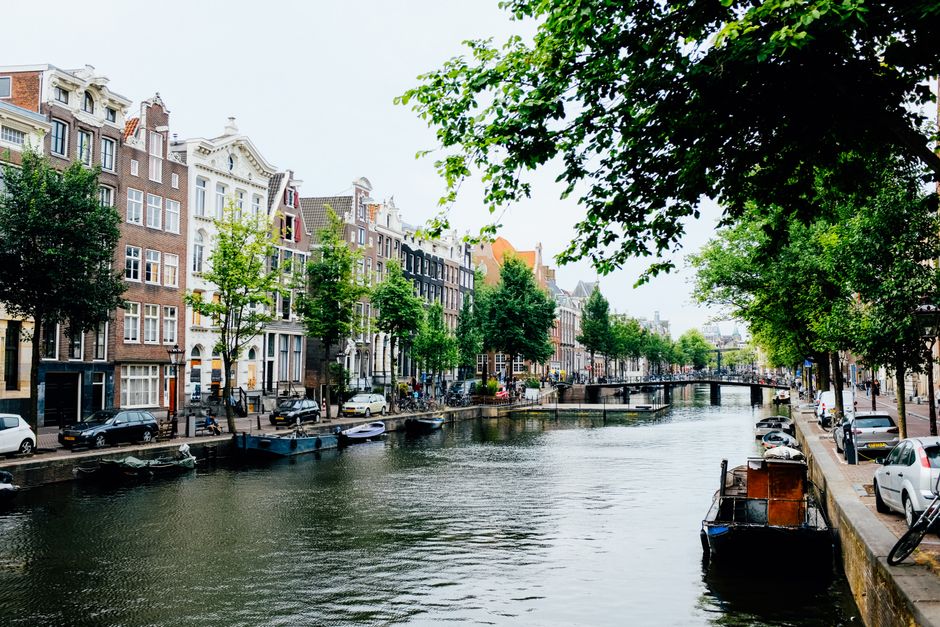
The Rijksmuseum costs more than the Prado, but its central location and clear daily timetable make planning easy. You can pair a morning entry with a canal walk and a second, smaller attraction without crossing the city. The official museum guidance identifies Tuesday and Wednesday as relatively quiet days.
Bottom Line: Choose Madrid for the lowest museum cost, Amsterdam for the least complicated four-day plan and Paris for the richest collection when the €22 or €32 admission and timed-entry rules fit your budget.
Build the trip around fees, closures and one strong booking
My recommendation is to pay for the anchor museum and keep the rest flexible. That gives you a clear reason to travel without turning every hour into a prepaid obligation. For a four-night May break, set aside a museum budget of €45–€90 per adult before food and transport, depending on the city and the number of paid collections.
A practical four-day structure
Arrive on Monday afternoon or evening if possible. Use that first day for the neighbourhood around your hotel, a market and an early night. Book the anchor museum for Tuesday morning. Put a second collection or a guided district walk on Wednesday afternoon. Keep Thursday for the city itself, with only one timed reservation. Leave Friday morning for a final walk and your departure.
This schedule protects the trip from a common failure mode: paying for four attractions and seeing two. It also makes room for a museum that closes unexpectedly, a delayed train or a rainy afternoon. The extra capacity has a real financial value because it reduces replacement bookings and unused tickets.
Watch the costs that do not appear on the headline ticket
Some museums require a time slot even when admission is free. Others charge for audio guides, special exhibitions or guided visits. The Prado lists a €5 audio-guide supplement and a €10 guided-visit supplement. The Louvre warns visitors about unofficial ticket sellers, and a cheap-looking resale ticket can become a total loss if the museum refuses entry.
Accommodation and payment costs deserve the same scrutiny. A refundable hotel rate can cost €20–€60 more per night, but that fee may be sensible around May 1 or a major exhibition opening. If you carry the trip on a credit card, purchase APRs around 19.99%–29.99% can wipe out any small booking discount, while annual fees can range from €0 to €95 or more. Pay the balance in full when possible. This is not financial advice; it is a reminder to compare the total cost, not the advertised reward.
For official prices, opening times and booking rules, use the Louvre ticket information, the Rijksmuseum admissions page and the Prado opening and prices page.
Questions that prevent an expensive museum mistake
Should I visit on May 1?
Only after checking every attraction and transport link. The Prado and Louvre list May 1 among their closure dates, and other museums may use reduced holiday hours. May 1 can work as a walking, food or neighbourhood day, but it is a poor choice for the one museum you travelled to see.
Is a city pass worth buying?
Buy one only after adding the individual tickets. The €32.80 Prado Art Walk Pass is cheaper than three separate full-price visits if you will use all three museums. It is not cheaper than a €15 Prado ticket when your plan contains one art museum and several free city activities. The pass should follow the itinerary, not create it.
Should I book the cheapest non-refundable hotel?
No, not when the saving is small and your museum schedule is still unsettled. A non-refundable rate can become expensive after a closure, a cancelled flight or a family member falling ill. Compare the full difference, including the cancellation fee, rather than treating the cheapest nightly figure as the winner.
What is the clearest final choice?
For a first May museum break, choose Madrid from Tuesday to Friday, book the Prado for Wednesday morning and keep one late afternoon free. Choose Amsterdam when walkability matters more than the lowest ticket cost. Choose Paris when the Louvre is the main reason for the trip and you have checked the visitor rate, closure calendar and official ticket source.
That brings the original scenario back to a manageable decision: one city, one early museum booking, one backup block and enough unplanned time to enjoy the streets. The museums will not be empty, but a midweek May break gives you a better chance of seeing them without spending the whole trip in a queue.