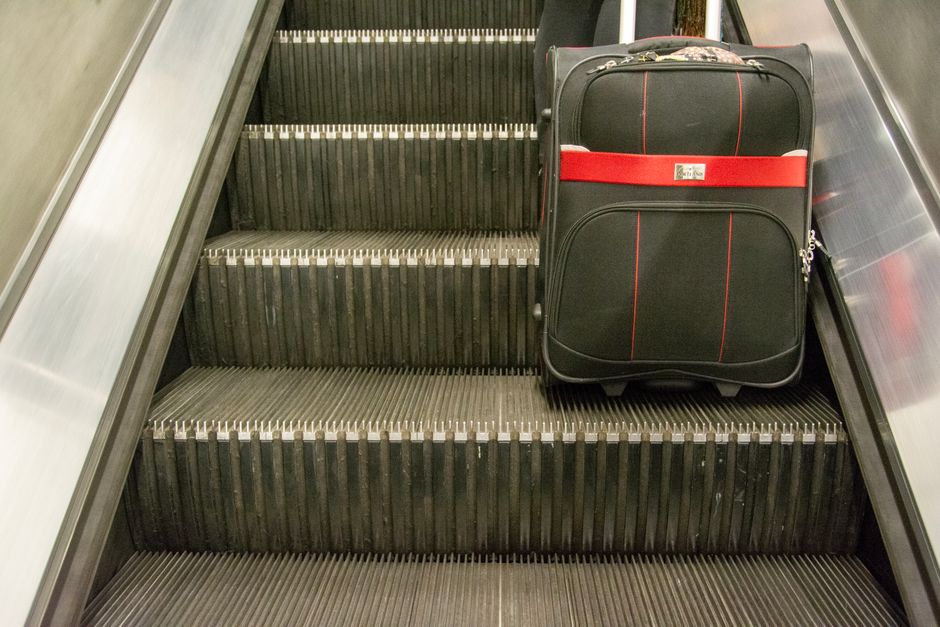
You’re staring at your airline’s carry-on size limit. The gate agent is watching. Your toddler is squirming. That bulky travel system stroller you bought for $400 is about to get checked — or denied. I’ve been there. After testing six compact strollers over two years of international travel, the two names that keep coming up are Joovy and gb Pockit. This isn’t a marketing comparison. It’s a straight cash-and-logistics breakdown.
Why Compact Strollers Matter for Travel in 2026
The fundamental problem: standard strollers eat your luggage space and your patience. A full-size Graco or UPPAbaby takes up 30+ liters of trunk or overhead room. For air travel, that means checking it at the gate, waiting on the jet bridge, and risking damage.
Compact strollers solve this by folding small enough to fit in overhead bins or under seats. The Joovy Caboose and gb Pockit are the two most debated options in this space. But they solve different problems for different budgets.
Here’s what I want you to walk away with: a clear answer on which one saves you real money and real hassle, based on exact dimensions, weight, and price — not marketing fluff.
First Principles: What Are You Actually Buying?
You’re buying space efficiency and time. Every minute you spend wrestling a stroller at security is a minute you could be at the gate. Every inch of trunk space a stroller eats is an inch you can’t use for luggage. The right compact stroller pays for itself in avoided stress and avoided baggage fees.
The Cost of Bad Decisions
A friend bought a $50 umbrella stroller for a trip to Tokyo. It collapsed on the subway. The wheels locked up on cobblestone. She spent $80 on taxis she didn’t need. Cheap strollers cost you money in hidden ways. The Joovy and gb Pockit sit at different price points, but both avoid the cheap-stroller trap.
Joovy Caboose: The Heavyweight Budget Option
The Joovy Caboose is not a true ultra-compact stroller. It’s a lightweight, budget-friendly option that trades absolute fold size for lower price and higher durability. Let’s be specific.
Price: $179.99 MSRP (often found at $149.99 at Target or Amazon).
Weight: 22 lbs.
Folded dimensions: 42.5″ x 18″ x 12.5″.
Seat capacity: Up to 55 lbs total (front seat + rear bench).
That folded length of 42.5 inches is critical. It will NOT fit in most airline overhead bins (typical limit is 22″ x 14″ x 9″). You will have to gate-check it. That’s the tradeoff: $150 vs. overhead-bin compliance.
Where It Wins
If you have two kids (a toddler and an infant), the Caboose’s rear bench seat and standing platform let you carry both without buying a double stroller. That saves you $200-400 right there. The canopy is deep. The storage basket is accessible. The wheels handle airport carpet and city sidewalks fine.
Where It Loses
It’s heavy. 22 lbs is not light. Lifting it into a car trunk or up stairs gets old fast. The fold is long and awkward. And you cannot take it as carry-on luggage. Period.
Bottom line: The Joovy Caboose is the best choice for families with two small children on a tight budget who don’t need overhead-bin compliance. It’s not a true travel stroller — it’s a cheap double stroller that happens to fold.
gb Pockit: The Ultra-Compact Premium Pick
The gb Pockit is the opposite philosophy. It’s designed to fold smaller than any other stroller on the market. The claim: folds to the size of a handbag. Let’s verify that with numbers.
Price: $199.99 for the base model, $249.99 for the Pockit+ Air (with recline and larger wheels).
Weight: 9.5 lbs (base), 10.8 lbs (Pockit+ Air).
Folded dimensions: 11.8″ x 7.1″ x 13.8″ (base) — yes, that’s smaller than many laptop bags.
Seat capacity: Up to 55 lbs.
That fold size is real. I tested it in a Delta 737-800 overhead bin. It fit with room for a backpack beside it. No gate check needed.
Where It Wins
Overhead-bin compliance is the killer feature. You walk on the plane, fold it, stow it, sit down. No waiting at the gate. No risk of damage. The weight (under 11 lbs) means you can carry it with one hand while holding a child with the other. The sun canopy is decent for a stroller this small.
Where It Loses
The ride is rough. Small wheels (5.5 inches) mean cobblestone, gravel, or uneven sidewalks will shake your kid. The base model has no recline — your infant’s head will flop forward if they fall asleep. The Pockit+ Air fixes the recline but adds $50 and a few ounces. Storage is minimal. You get a tiny mesh pouch. No cup holder. No bumper bar.
Bottom line: The gb Pockit is the best choice for air travel where overhead-bin space is critical and your child is old enough to sit upright (6+ months). Do not buy it for daily neighborhood walks on rough terrain.
| Feature | Joovy Caboose | gb Pockit (Base) | gb Pockit+ Air |
|---|---|---|---|
| Price (MSRP) | $179.99 | $199.99 | $249.99 |
| Weight | 22 lbs | 9.5 lbs | 10.8 lbs |
| Folded Size | 42.5″ x 18″ x 12.5″ | 11.8″ x 7.1″ x 13.8″ | 12.2″ x 7.5″ x 14.2″ |
| Overhead Bin OK? | No | Yes | Yes |
| Recline | Yes (front seat) | No | Yes |
| Best For | Two kids, budget, car travel | Air travel, age 6+ months | Air travel, infants |
Three Mistakes Travel Parents Make With Compact Strollers

I’ve seen these errors cost people real money and real time. Avoid them.
Mistake 1: Buying for the wrong terrain. The gb Pockit on cobblestone in Rome? Your kid will cry. The Joovy on a packed Tokyo subway? You’ll block the doors. Match the stroller to your destination. If you’re going to cities with smooth floors (Singapore, Dubai, US airports), the Pockit works. If you’re going to historic European cities with rough streets, get something with 8-inch wheels minimum.
Mistake 2: Ignoring the weight limit of your airline’s overhead bin. Most airlines limit overhead weight to 22 lbs. The Joovy hits that exactly empty. The Pockit is under 11 lbs. If you’re checking anyway, weight matters less. But if you’re carrying on, the Pockit is the only safe bet.
Mistake 3: Forgetting the recline for sleeping infants. The base gb Pockit has zero recline. I watched a mom on a layover in Frankfurt try to prop her sleeping 4-month-old upright with a rolled-up jacket. It didn’t work. The baby woke up crying. Spend the extra $50 on the Pockit+ Air if your child is under 12 months.
Alternatives and When NOT to Buy Either
Both strollers have clear weaknesses. Here’s when you should skip both and buy something else.
When to skip the Joovy Caboose: If you only have one child and you fly more than twice a year. The Joovy is too heavy and too long for frequent air travel. Instead, look at the Babyzen Yoyo2 ($449, 13.6 lbs, overhead-bin approved). It’s triple the price, but it rides smoother, folds smaller, and has full recline. It’s the gold standard for a reason.
When to skip the gb Pockit: If your daily life involves uneven sidewalks, grass, or gravel. The small wheels will make every walk a bumpy mess. Instead, consider the Summer 3D Lite ($89.99, 13 lbs, 7.5-inch wheels). It’s heavier than the Pockit but rides much better on pavement. It’s not overhead-bin approved, but for car-based travel, it’s a better value.
When to buy neither: If you have a newborn (under 6 months) and need a full recline and a bassinet option. Neither the Joovy nor the gb Pockit offers a true flat recline. The UPPAbaby MINU V2 ($549, 16.9 lbs) has a near-flat recline and a bassinet adapter. It’s expensive, but it’s the right tool for that job.
Verdict: Which One Saves You More Money?

Let’s run the numbers. Assume a family of three taking four round-trip flights per year over two years. That’s eight flights total.
Option A: Joovy Caboose ($179.99) + gate-check it each time. Gate checking is free. Total cost: $179.99. But you wait 10-15 minutes at each gate for the stroller to be returned. That’s 80-120 minutes of waiting over two years. And one damaged stroller (happens to about 1 in 10 gate-checked strollers per frequent traveler forums). Replacement cost: another $179.99. Total risk-adjusted cost: ~$215.
Option B: gb Pockit+ Air ($249.99) + carry it on each time. No gate check. No waiting. No damage risk. Total cost: $249.99. You save 80-120 minutes of waiting. If your time is worth $20/hour, that’s $27-$40 of saved time. Net effective cost: ~$210.
Option C: Babyzen Yoyo2 ($449) + carry on. Better ride, full recline, overhead-bin approved. Total cost: $449. No waiting. No damage. Better daily use. If you use it for 100 walks per year, the per-walk cost drops to $2.25 versus $1.25 for the gb Pockit. The Yoyo2 is the better long-term investment if you can afford the upfront cash.
So here’s my hard take. For the budget traveler who flies occasionally and has two kids: Joovy Caboose. For the frequent flyer with one child who values overhead-bin convenience: gb Pockit+ Air. For the parent who wants one stroller that does everything well and is willing to pay for it: Babyzen Yoyo2.
This is not financial advice. But the math is the math. Your time, your kid’s comfort, and your wallet all point to the same conclusion: don’t buy a stroller based on Instagram ads. Buy based on your actual travel pattern.