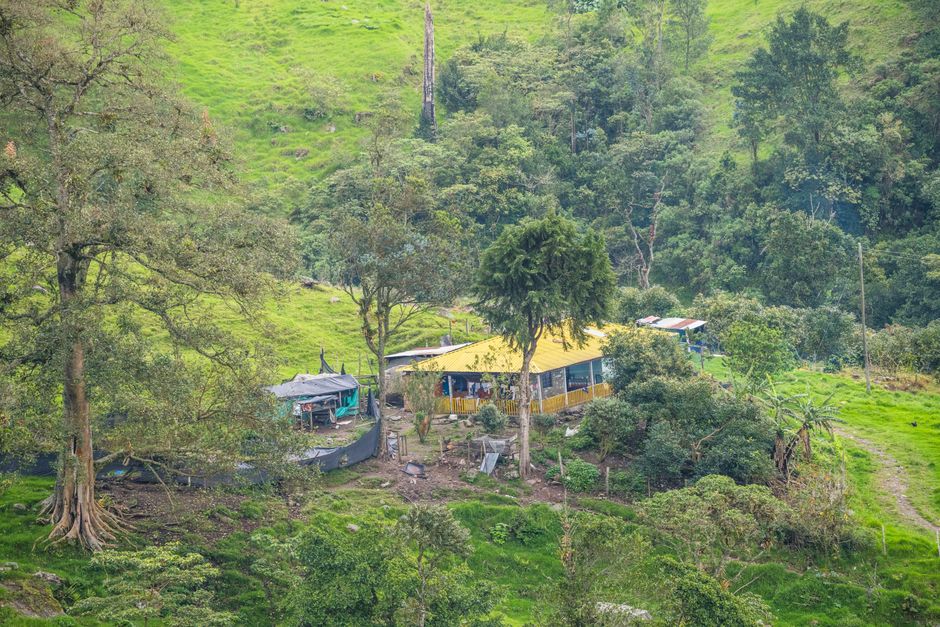
You land in Medellín, backpack on, excited for the city of eternal spring. Then you check into a hostel that blasts AC 24/7, uses single-use plastic cups, and has no recycling bin. The vibe feels off. You came to Colombia partly for its nature, yet your accommodation is working against it.
That’s the exact problem I ran into my first week. Five hostels in, I started tracking which ones actually walk the talk. This guide cuts through the greenwashing. Here are the real eco-friendly hostels in Medellín that solo travelers can trust in 2026.
1. What Makes a Hostel Truly Eco-Friendly in Medellín?
Not every hostel with a plant in the lobby is green. Real sustainability in Medellín means tackling three local issues: water scarcity during dry seasons, high electricity demand, and waste management in a city where recycling infrastructure is uneven.
Energy and Water Systems
Look for solar water heaters. Medellín gets 2,000+ hours of sun yearly, yet most hostels still use electric water heaters. Los Patios Hostel installed solar panels in 2026, cutting grid electricity use by 40%. That’s measurable. Also check for low-flow showerheads — a hostel with 50 guests can save 10,000 liters of water monthly with these.
Waste and Local Sourcing
Does the hostel separate organic waste for composting? Medellín’s central composting facility accepts food scraps, but few hostels participate. Viajero Hostel Medellín runs a compost bin for kitchen scraps and uses the soil in its rooftop garden. They also buy coffee from local farms within 50 km. That’s the level of detail you want.
Verdict: If a hostel lists “eco-friendly” but can’t tell you where its water comes from or how it handles trash, it’s marketing, not practice.
2. The 3 Best Eco-Friendly Hostels for Solo Travelers
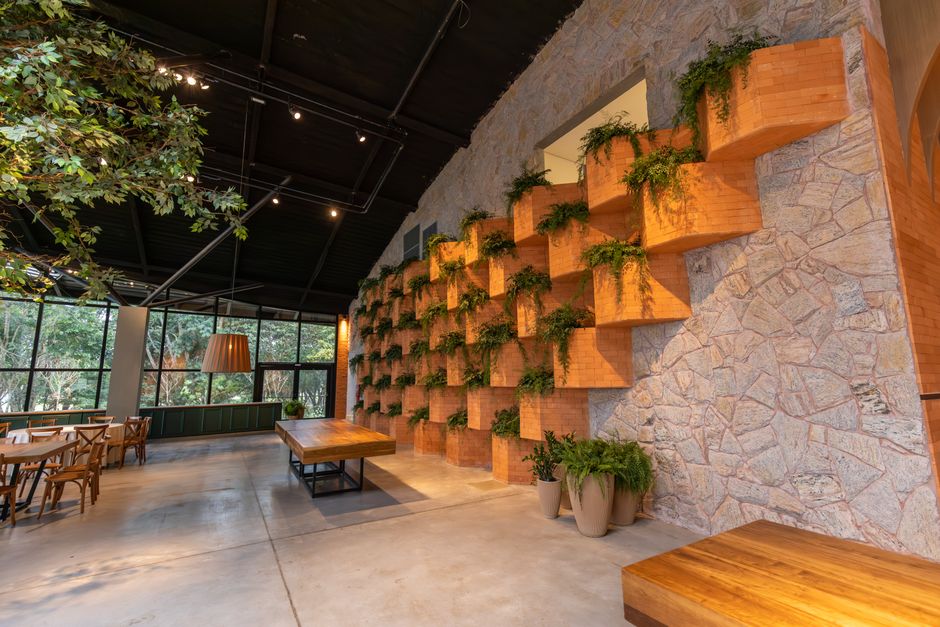
I stayed at each of these for at least three nights. Here’s the honest breakdown.
| Hostel | Location | Price per Night (Dorm) | Eco Features | Solo Vibe |
|---|---|---|---|---|
| Los Patios Hostel | El Poblado | $15–$20 USD | Solar panels, rainwater harvesting, zero single-use plastic | Social but calm. Rooftop bar, coworking space, daily yoga. |
| Viajero Hostel Medellín | La Candelaria | $12–$17 USD | Rooftop garden, composting, local coffee, LED lighting | Budget-friendly. Walking tours, language exchange nights. |
| Selina Medellín | El Poblado | $18–$25 USD | Refillable water stations, digital check-in (paperless), local art | Upscale digital nomad crowd. Coworking, pool, events. |
Los Patios Hostel — Best Overall for Solo Travelers
This is the gold standard. They harvest rainwater for toilets and garden irrigation. The rooftop has a small greenhouse where they grow herbs for the kitchen. Dorms have individual reading lights and power outlets — no more fighting for plugs. The social spaces are designed so solo travelers can sit at communal tables without feeling awkward. I met seven people on my first night.
Viajero Hostel Medellín — Best on a Budget
It’s in La Candelaria, the historic center, which means it’s louder but closer to museums and street food. The rooftop garden is small but functional — they grow tomatoes, mint, and chili. The compost bin is real (I saw it). Free walking tours run daily, and the staff actually knows which local shops avoid plastic packaging.
Selina Medellín — Best for Digital Nomads
Selina is a chain, but the Medellín location does sustainability better than most. No paper check-in. Water stations on every floor. The decor uses reclaimed wood and local textiles. It’s pricier, and the vibe is more curated than organic. If you need reliable Wi-Fi and a quiet coworking space, this works. If you want a raw, backpacker energy, choose Los Patios.
3. Solo Traveler Mistakes That Waste Money and Comfort
I made these mistakes so you don’t have to.
- Booking without checking the dorm size. Some hostels squeeze 12 beds into a room meant for 8. Los Patios caps dorms at 6 beds. Viajero has 8-bed dorms that feel spacious. Always check the bed count.
- Ignoring the locker situation. If the locker doesn’t fit your laptop, it’s useless. Selina has large lockers that fit a 15-inch laptop and a daypack. Viajero’s lockers are smaller — bring your own padlock.
- Assuming “eco” means quiet. Los Patios has a bar with live music on weekends. Viajero is on a busy street. Eco-friendly doesn’t equal silent. Bring earplugs.
The biggest mistake: booking a hostel in El Poblado thinking it’s the only safe area. La Candelaria is perfectly safe during the day and has better access to public transit. You’ll save $5–$10 per night and get a more local experience.
4. When NOT to Stay at an Eco-Friendly Hostel

Eco-hostels aren’t for every trip. Here’s when you should skip them.
You want a party hostel. If your goal is to drink until 4 AM every night, eco-hostels are not your scene. Los Patios has a bar, but it closes at 11 PM on weeknights. Viajero organizes quiet social events. For partying, stay at a dedicated party hostel like Hostel Rango Boutique — just know it uses disposable cups and runs AC all night.
You need absolute privacy. Eco-hostels emphasize communal spaces — that’s part of reducing energy use per guest. If you want a private room with a locking door and en-suite bathroom, look at Eco Hostal El Poblado. It’s a small guesthouse with four private rooms, solar water heating, and a shared kitchen. It costs $35–$45 per night, but you get privacy without the waste.
You’re on a super tight budget. The cheapest dorms in Medellín cost $8–$10 per night. Those hostels rarely invest in solar panels or composting. If saving every dollar matters more than sustainability, that’s fine. Just don’t pretend otherwise.
5. How to Book the Right Hostel for Your Solo Trip
Booking platforms don’t always show eco-features. Here’s a better method.
Check the Hostel’s Own Website
Hostelworld and Booking.com list amenities but rarely include sustainability details. Go to the hostel’s website. Look for a page called “Sustainability” or “Our Impact.” If it doesn’t exist, email them. Ask: “Do you have solar panels? Do you compost? Do you use refillable soap dispensers?” If they can’t answer in one sentence, move on.
Read Recent Reviews for Eco-Consistency
Search reviews for words like “recycling,” “plastic,” “water,” and “garden.” Guests will mention if the hostel claims to be green but has plastic water bottles at reception. I saw this at Bambú Hostel Medellín — great location, nice staff, but they handed out plastic water bottles at check-in. That’s a red flag.
Verdict: Spend 15 minutes researching before booking. It saves you from disappointment and supports hostels that actually invest in sustainability.
6. The Verdict: Which Hostel Should You Book?

If you’re a solo traveler arriving in Medellín in 2026 and want the best balance of sustainability, social vibe, and comfort, book Los Patios Hostel. It’s not the cheapest, but it’s the most transparent about its eco practices. The solar panels, rainwater harvesting, and zero-plastic policy are backed by visible results. The social spaces make it easy to meet people without feeling forced. Dorms are comfortable, lockers are secure, and the location in El Poblado is walkable to restaurants and parks.
On a tighter budget? Viajero Hostel Medellín gives you composting and local coffee for $12 a night. Just bring earplugs for the street noise.
Need to work remotely? Selina Medellín has the best Wi-Fi and coworking space, plus refillable water stations. You’ll pay more, but the digital nomad infrastructure is solid.
Skip the hostels that talk green but don’t show receipts. Medellín deserves travelers who care — and you deserve a hostel that actually delivers.