You’re browsing a workshop that promises five days in the Scottish Highlands with a professional landscape photographer, critique sessions included, accommodation sorted. It costs £1,800. The marketing page has stunning images. The real question — which you can only answer after paying — is whether you’ll come back shooting differently, or just return with £1,800 less.
Most workshop disappointment comes down to exactly this: paying for a glossy itinerary and returning with a hard drive full of images that look like everyone else’s from the same trip. What follows is a framework for avoiding that before you sign up.
What a Travel Photography Workshop Actually Delivers
Photography workshops exist on a spectrum. At one end: structured learning experiences with scheduled critique sessions, pre-shoot briefings, and instructors who are actively teaching during the shoot rather than building their own portfolio alongside you. At the other end: glorified photo tours where a well-known photographer walks beside you, shoots their own images, and answers occasional questions.
Both get sold as “workshops.” The price difference between them is sometimes nothing at all.
The markers of genuine instruction are specific and verifiable before you book. A real workshop includes critique sessions — meaning the instructor reviews your actual images and explains what is working and what is not. These sessions should be built into the daily schedule, not offered as optional extras after dinner. Pre-shoot briefings matter equally: before you arrive at a location, the instructor should explain the light conditions, composition opportunities, and technical settings worth experimenting with. That is instruction. “Meet here at 5:30am for golden hour” with no further context is logistics, not teaching.
The Group Size Test
The single most predictive variable of workshop quality is group size. Eight participants is the practical ceiling for genuine one-on-one attention during a shoot. Ten is workable. Sixteen means the instructor physically cannot give meaningful feedback to every person in a four-hour session — the math simply does not work.
Ask directly: “What is the maximum enrollment?” Good workshops enforce a hard cap and maintain a waitlist when they hit it. If you get a vague answer or hear the current enrollment rather than the maximum, that is a flag worth noting before you pay.
Post-Processing: The Half That Most Workshops Skip
Shooting in the field is half the skill. What you do with raw files afterward — exposure recovery, targeted adjustments, color grading — is equally learnable and equally worth paying an expert to demonstrate. Workshops that include post-processing sessions, typically an evening review where the instructor walks through their Lightroom Classic or Capture One workflow on real images from that day, deliver substantially more value than field-only formats.
If a workshop’s listed curriculum does not mention post-processing, ask explicitly whether it is covered. The answer tells you a great deal about how thoroughly the program was designed versus assembled around a nice destination.
Bottom Line: Ask for a detailed daily schedule before booking. If scheduled critique sessions and post-processing instruction are not explicitly listed, you are buying a guided photo tour, not a workshop.
Workshop Formats at a Glance
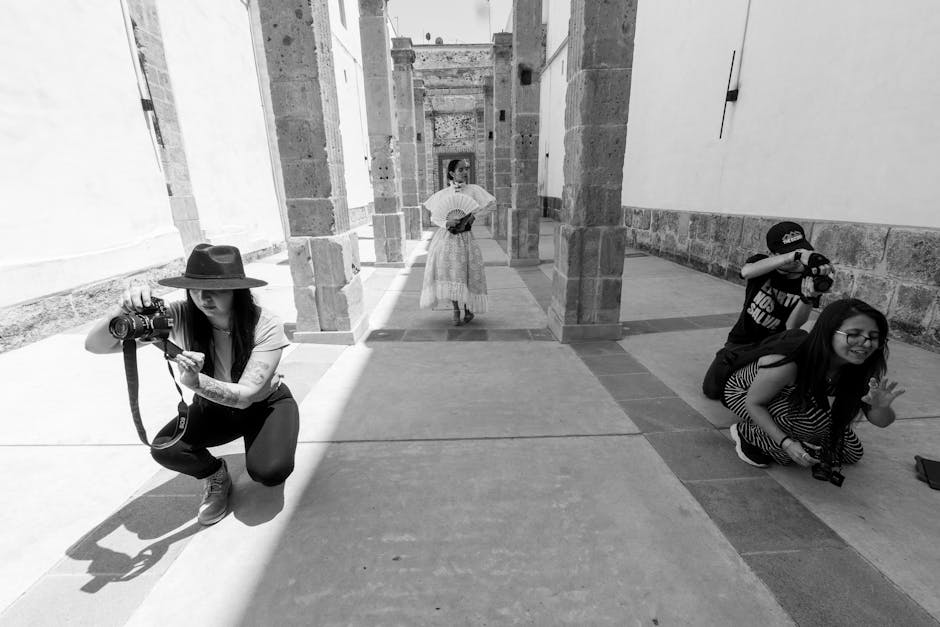
Five main formats dominate the market. They serve genuinely different skill stages and budgets, and treating them as interchangeable is one of the most common early mistakes.
| Format | Duration | Typical Price | Group Size | Best For |
|---|---|---|---|---|
| Local day workshop | 4–8 hours | £150–£400 / $200–$500 | 6–15 | Beginners, skill assessment |
| Multi-day domestic retreat | 3–5 days | $800–$2,000 | 6–12 | Intermediate learners seeking immersion |
| International photo tour | 7–14 days | $3,500–$9,000 | 8–16 | Advanced photographers, location-specific skills |
| Photography safari | 7–12 days | $5,000–$18,000 | 4–8 | Wildlife and expedition photography |
| Online + in-person hybrid | Variable | $400–$1,200 | 10–25 | Budget-conscious learners, flexible schedules |
The photography safari category warrants a specific note. Operators like AndBeyond and Wilderness Safaris both offer photography-focused safaris across Botswana, Tanzania, and South Africa. Expect $7,000–$15,000 for 8–10 days depending on camp and season. The price buys access, not just transport — modified game vehicles with beanbag mounts and open sides, private concessions away from tourist traffic, and departure times set by the light rather than a tour schedule. If wildlife photography is your primary goal, the access premium is real and the field conditions are genuinely different from a standard safari booking.
Bottom Line: Format should follow skill stage, not destination preference. Booking an international photo tour before your technical foundations are solid means spending the majority of the trip managing basic exposure decisions rather than building the subject-specific skills the destination is there to teach.
Five Questions That Expose a Weak Workshop
What is the scheduled critique structure?
Not “do you do critiques” — but when, how long, and how many participants per session. Strong programs describe this precisely: “each evening, 90-minute group review with individual image discussion.” Vague answers usually mean unstructured Q&A has been relabeled as a critique session somewhere in the marketing copy. If the instructor cannot describe the format in specific terms, it probably does not exist in any meaningful way.
What is your instructor-to-student ratio during the shoot?
Does the lead photographer shoot their own work during the workshop, or does instruction take priority? Some instructors shoot alongside participants and explain their decision-making in real time — this works well. Others get absorbed in building their own portfolio. Neither is automatically wrong, but you should know which you are paying for before you arrive on location.
Can I see participant work from previous workshops?
Instructor portfolios sell workshops. What participants actually produced afterward proves they work. Good programs have alumni galleries or can connect you with past attendees directly. If an operator cannot produce any participant work on request, that is meaningful information about learning outcomes — or the absence of them.
Is post-processing instruction included, and in which software?
Lightroom Classic and Capture One cover most travel and landscape workflows professionally. If the answer is “it depends on what you use,” the post-processing component is probably ad hoc Q&A rather than a prepared curriculum session. Real instruction is software-specific and scheduled in advance.
What is the contingency plan for bad weather?
This question catches operators off guard. A workshop built by someone who has actually taught has a real fallback — alternative locations scouted in advance, studio sessions, processing deep-dives using the day’s raw files. “We’ll adapt” without specifics is the answer of someone who has not been caught in three days of Icelandic fog with twelve paying participants and nothing planned. Weather in Iceland, the Scottish Highlands, or the Dolomites is genuinely unpredictable. How an instructor handles that constraint reveals their experience level faster than anything in the marketing materials.
Destinations Where the Travel Cost Returns in Skill Gain
The best workshop destinations offer technical challenges specific enough to build skills that transfer directly to your shooting elsewhere. Not every location with dramatic scenery justifies an international workshop budget.
Africa and the Case for Wildlife Access
East Africa during the dry season (June–October) offers wildlife density, predictable light, and private access that no classroom can replicate. Animal behavior anticipation — reading body language, positioning for approach direction, understanding activity patterns at different light times — is a skill built only through consecutive days in the field. Operators like AndBeyond and Great Plains Conservation run photography-specific safari programs with small vehicle groups of 4–6 people, where game drives are timed to photography needs rather than tourist convenience. These programs run $8,000–$15,000 for 7–10 days before international flights, but the access is categorically different from a standard safari booking. Wilderness Safaris offers similar photographic-focused options across Botswana and Zimbabwe, often with resident photography guides who stay at the camp rather than rotating through.
- Iceland (October–March): Northern lights photography, extended blue-hour windows in winter, and rapidly changing coastal weather. Iceland Photo Tours and Arctic Exposure both run multi-day programs from $2,800–$4,500. The skill focus — low-light technique, noise management, multi-exposure blending — is specific enough to justify the trip cost if those are your actual gaps.
- Vietnam (October–April): Rice terraces at Mu Cang Chai during harvest season (September–October), floating markets, and the dense alleyways of Hanoi’s old quarter. Photo Tour Vietnam runs 10–14 day multi-region programs. The primary skill built here is street photography instinct — composing quickly and confidently in active, chaotic environments.
- Scottish Highlands and Northumberland (UK): Serious landscape instruction without international travel costs. Day rates from £150–£400 with multiple well-regarded independent instructors operating in the Highlands, Peak District, and along the Northumberland coast.
- Dolomites, Italy (September–October): Alpine light, autumn color, and the structural geometry of the peaks. Programs typically run €2,000–€3,500 for five days including accommodation — strong value relative to comparable international destinations.
Bottom Line: Match destination to skill gap. Iceland teaches low-light and long-exposure discipline. East Africa teaches patience and subject anticipation. Vietnam teaches speed and compositional instinct in chaotic environments. The destination choice should come from where your technique needs development, not from where the landscape photographs look best on an Instagram feed.
Price Tiers and What Each Realistically Buys
| Price Tier | Typically Included | Typically Excluded | Worth Booking When… |
|---|---|---|---|
| Under $400 | Instructor time, location access, basic critique | Accommodation, meals, post-processing instruction | Testing current skill level, identifying gaps |
| $800–$2,000 | Multi-day curriculum, accommodation, processing sessions | International flights, exclusive location access | Ready for structured multi-day immersion |
| $3,000–$6,000 | International destination, small group (6–10), full curriculum | Flights, usually tips | Plateaued domestically, need new environment plus instruction |
| $7,000+ | Exclusive wildlife or expedition access, tailored itinerary | International flights, sometimes visa fees | Wildlife or expedition photography is the primary goal |
Established Schools With Verifiable Track Records
Santa Fe Workshops in New Mexico ($1,200–$2,500 for 5-day intensives) and Maine Media Workshops ($900–$1,800 for a week-long program) have been running structured photography education for decades. Both have alumni networks you can contact before booking — an unusual accountability that matters when evaluating whether the curriculum description matches reality. Rocky Mountain School of Photography in Missoula runs well-structured weekend programs at $350–$600: a low-risk way to test whether in-person instruction actually works for your learning style before committing to something international and significantly more expensive.
The Mistake That Costs More Than the Workshop Fee
Paying for a workshop before exhausting free resources. Scott Kelby’s Worldwide Photo Walk runs annually, is free to join, and puts you in the field with other photographers in your city — covering the accountability and peer-learning aspects of workshop education at zero cost. CreativeLive broadcasts free training days from working professionals regularly. Commit to paid in-person instruction specifically when you need individual critique of your actual images, not when you need more video content about technique you could absorb at home for nothing.
Matching Workshop Intensity to Your Current Skill Stage
Your technical foundation needs to be in place before you travel internationally to build on it. A beginner spending $7,000 on a Botswana photography safari will spend half the game drive managing basic exposure problems rather than learning wildlife anticipation. That is a waste of access that an intermediate or advanced photographer would use completely differently.
Beginners and Intermediate Photographers
Complete beginners — still building fluency with aperture, shutter speed, and ISO — should start local. A Rocky Mountain School of Photography weekend ($350–$600) or a day workshop with a local instructor (typically £150–£300 in the UK) gives honest feedback on where the technical gaps are before spending more. Intermediate photographers who have mastered the basics but want to push composition, storytelling, or a specific genre should target multi-day retreats. Santa Fe Workshops and Maine Media Workshops both offer genre-specific tracks — documentary, landscape, street — where the curriculum is built around a defined skill outcome rather than packaged around a destination.
Advanced Photographers and When Safaris Make Sense
Advanced photographers who are technically confident and want exclusive access, subject-specific challenge, or the creative pressure of an unfamiliar environment — that is when international photo tours and safaris start to justify their price. Iceland Photo Tours’ northern lights programs ($2,800–$4,500), AndBeyond’s photographic safaris in Botswana ($8,000–$15,000), and Vietnam-based multi-region tours all return maximum value to photographers who already have strong fundamentals in place. One practical detail worth confirming before booking: what camera system the instructor uses and whether that shapes the post-processing instruction. Most professional instructors now cover Canon, Nikon, and Sony workflows. Some workshops led by committed Fujifilm shooters focus heavily on film simulation and in-camera processing — highly relevant if you shoot Fujifilm, largely irrelevant if you do not.
Workshop pricing, availability, and instructor information change regularly. Verify all details directly with operators before booking.
The broader market has been shifting toward smaller groups and mandatory feedback structures over recent years — partly because participants started demanding proof of learning outcomes, partly because operators who built genuine curricula found their alumni talking. The operators growing today are the ones with demonstrable programs, not just impressive destination portfolios. That structural shift is worth knowing about when you read the marketing copy.