Most people hunt for Washington DC hotel deals the wrong way. They search for “cheap hotels in DC” on a Tuesday night and book the first $189 room they see near the National Mall. Then they pay $45 for parking and $30 for breakfast and wonder why the trip cost double.
DC hotel pricing is predictable once you understand the calendar. Congress recesses, federal holidays, and convention schedules move rates more than any coupon code. A room at the Marriott Marquis can swing from $149 to $499 within the same month. The deal isn’t a secret website. It’s timing plus neighborhood choice.
The Real Reason DC Hotels Are Expensive (And When They Aren’t)
Washington DC runs on three separate travel economies that rarely align. Leisure tourists come for cherry blossoms in late March and museums in summer. Business travelers fill rooms Tuesday through Thursday. Government and lobbyist traffic spikes during congressional sessions.
When all three overlap — think a spring week with a healthcare conference, cherry blossoms, and a Senate vote — rates triple. When they don’t, you get $120 rooms at four-star properties.
The single most useful rule: check the Walter E. Washington Convention Center calendar before booking. A 20,000-attendee event adds $80 to $150 to every room within two miles. The same hotel the following week might sit half-empty. This is the failure mode most visitors never see because they don’t know the calendar exists.
Best Months to Book
- January and February: Cold, gray, and glorious for deals. Rooms at the Kimpton George Hotel near Union Station often drop below $130. Museums are empty. Restaurants seat walk-ins.
- August: Congress leaves. Humidity arrives. Hotels near Capitol Hill in particular slash rates 40-50%. The Liaison Capitol Hill regularly hits $119 midweek in August.
- Early December: Between Thanksgiving and the holiday rush, about two quiet weeks exist. Rates dip before the inauguration-year bump.
Worst Months to Book
- Late March to mid-April: Cherry blossom peak. Every hotel within walking distance of the Tidal Basin charges a premium. A $150 room becomes $350. No workaround exists except staying in Arlington or Silver Spring and taking Metro.
- October: Shoulder season for weather but peak season for conventions and the Marine Corps Marathon. Rates stay stubbornly high.
- Inauguration years (2026, 2029): January is a lost cause. Skip it.
Neighborhood Arbitrage: Stay Two Metro Stops Away
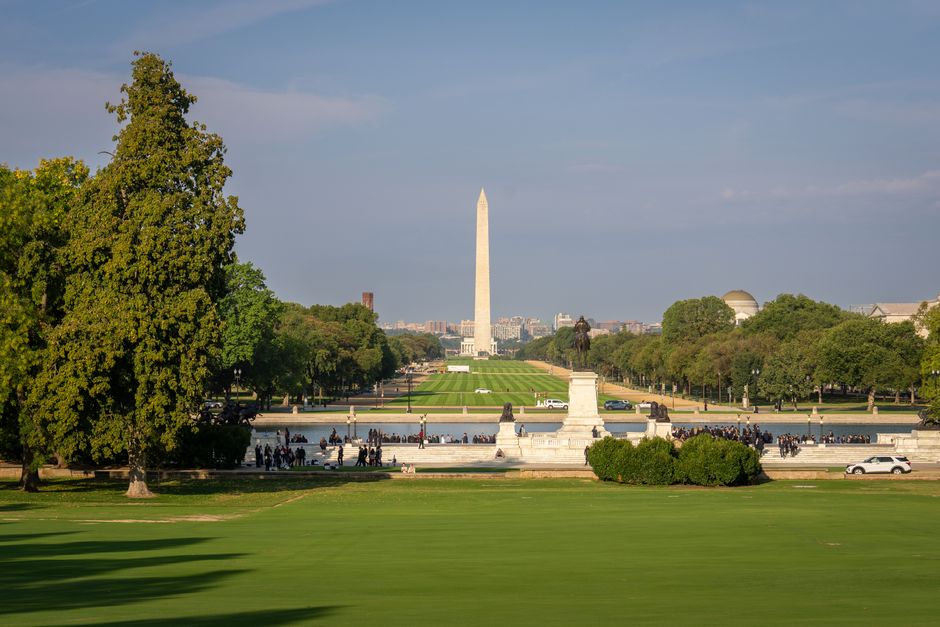
DC’s Metro system is the great equalizer. A hotel in Downtown DC costs $80 to $120 more per night than a comparable property 15 minutes out. The tradeoff is obvious once you see the map.
| Neighborhood | Typical Midweek Rate (2026) | Metro Time to National Mall | Vibe |
|---|---|---|---|
| Downtown / Penn Quarter | $220-$350 | 5-10 min walk | Tourist core, noisy, pricey dining |
| Dupont Circle | $180-$280 | 10 min | Residential, excellent restaurants, walkable |
| NoMa / Union Market | $140-$220 | 12 min | Newer hotels, food hall nearby |
| Rosslyn, VA | $120-$190 | 8 min | Office park by day, quiet by night |
| Crystal City, VA | $110-$170 | 15 min | Airport hotels, free shuttles to DCA |
| Silver Spring, MD | $100-$160 | 20 min | Suburban, cheaper parking, diverse food |
My pick for most visitors: NoMa. The citizenM Washington DC NoMa runs $149-$189 most weeks, sits directly above the NoMa-Gallaudet Metro station, and puts you at Union Market’s food stalls in five minutes on foot. You’re paying for location efficiency, not a view of the Capitol dome.
A skeptic might say staying in Virginia ruins the DC experience. Fair point if you want to walk out your door into the city. But if you’re spending 10 hours a day sightseeing, a $120 room at the Crystal City Marriott with free airport shuttle beats a $300 room in Penn Quarter. The Metro ride is 15 minutes. The savings buy several very good dinners.
Booking Windows: The Exact Days That Matter
DC hotel pricing follows a weekly rhythm more than a seasonal one. Business hotels — which is most of Downtown — price high Monday through Wednesday and drop Thursday through Sunday. Leisure-heavy areas like Georgetown invert slightly on weekends but stay flat midweek.
Here is the pattern I’ve tracked across dozens of stays:
- Book 21-30 days out for weekday stays. Hotels release lower corporate rates around the three-week mark when they see projected occupancy lagging.
- Book 3-7 days out for weekend stays. Weekend leisure inventory gets discounted last-minute. Apps like HotelTonight show DC weekend rooms at 30-40% off rack rates, especially in the business district.
- Never book a DC hotel more than 60 days out unless it’s cherry blossom season or a major event. You’re paying the “we don’t know demand yet” price.
The exception to every rule: refundable rates. Book early at a refundable rate, then re-check prices two weeks out. If the rate drops, cancel and rebook. This costs nothing and captures both early availability and late discounts. I’ve saved $60 a night doing this at the Hyatt Place Washington DC/White House.
What Actually Adds Up: Parking, Breakfast, and the Resort Fee Trap
This is where hotel deals in DC die. A $149 room with $55 parking and a $28 “destination fee” is really a $232 room. DC hotels love mandatory fees. They advertise the base rate, then stack charges at checkout.
Specific offenders: The Washington Hilton on Connecticut Avenue charges $59 for valet parking. The Grand Hyatt Washington adds a daily destination fee that covers things you may not want — lobby coffee, local calls, a gym you won’t use. These fees are disclosed but buried.
How to beat them:
- Skip the car. Fly into DCA, take Metro into the city. You don’t need a car in DC. The Metro plus walking covers 95% of tourist sites. Parking fees vanish.
- Filter for “no resort fee” on Booking.com. The filter exists. Use it. Properties like citizenM and many Hampton Inn locations don’t charge destination fees.
- Book a rate with breakfast included. DC hotel breakfasts run $22-$35 per person. A room rate $15 higher with breakfast included is a better deal. The Embassy Suites by Hilton Washington DC Convention Center includes full breakfast and evening reception in most rates.
Five Specific DC Hotels That Consistently Price Below Their Quality
These aren’t the cheapest rooms in DC. They’re the best value per dollar — properties that underprice their location, condition, or amenities. I’d book any of them before a $99 motel in a bad location.
- citizenM Washington DC NoMa — $149-$189. Tiny efficient rooms, excellent bed, self-check-in kiosks, rooftop bar. No resort fee. Direct Metro access below the building.
- Kimpton Banneker Hotel — $170-$220. Boutique property near Logan Circle. Wine hour daily. Walkable to 14th Street restaurants. Often runs weekend specials under $160.
- Hampton Inn Washington DC Downtown Convention Center — $130-$180. Free breakfast, no resort fee, clean and predictable. A block from the Convention Center Metro.
- The Darcy Hotel — $150-$200. Formerly a DoubleTree, renovated with style. Dupont Circle location. Rates often dip to $139 on Sunday nights.
- Crystal City Marriott at Reagan National Airport — $110-$160. Free airport shuttle, Metro stop nearby, newly renovated rooms. The best budget base for a DC trip if you don’t mind a 15-minute train ride.
The clear winner for most first-time visitors: citizenM NoMa. It’s not the absolute cheapest, but the combination of no hidden fees, direct Metro access, and consistent $149-$189 pricing makes it the most predictable deal in DC.
When Not to Chase a DC Hotel Deal

Some trips should not be optimized for hotel price. If you’re visiting DC for a single weekend to see the cherry blossoms with kids, the savings from staying in Silver Spring evaporate in transit time and fatigue. A $300 room near the Tidal Basin means walking back for naps, dropping off shopping bags, and avoiding 40 minutes of Metro with tired children. That convenience is worth real money.
Similarly, if you’re attending an event at the Convention Center, staying at a distant hotel to save $60 a night backfires when you need a 15-minute walk between sessions or a quick wardrobe change. The Renaissance Washington DC Downtown connects directly to the Convention Center. Pay the premium. Your schedule is the product.
The deal-chasing mindset works best for flexible trips with no fixed schedule. If you can travel in January, stay in NoMa, and book 10 days out, you’ll pay half what the cherry blossom tourist pays. That’s the real Washington DC hotel deal: not a code, but a calendar.
Quick Answers to the Questions People Actually Ask
Is it cheaper to stay in Arlington or DC?
Arlington, specifically Rosslyn and Crystal City, runs $50-$100 cheaper per night than comparable DC hotels. The Metro ride to the Mall is under 15 minutes. For budget trips, Arlington wins.
What is the cheapest day to book a DC hotel?
Sunday night into Monday is the cheapest booking window for weekend stays. Tuesday and Wednesday are the most expensive nights to stay. Book Sunday arrivals for the best weekend rates.
Do DC hotels charge resort fees?
Many do, especially larger convention hotels. They call them “destination fees” or “urban fees.” Always check the total price with taxes and fees before comparing rates. A $149 room with a $28 fee is a $177 room.
Is Hotwire or Priceline good for DC hotels?
Opaque booking can work in DC because the hotel density is high and neighborhoods are well-defined. If you filter for a specific neighborhood like Dupont Circle or NoMa, you’re unlikely to get a bad property. The risk is getting a hotel with a destination fee you didn’t expect. Check the fee disclosure before committing.
The bottom line: Washington DC hotel deals are not about finding a magic discount code. They’re about understanding the convention calendar, staying one or two Metro stops outside the core, avoiding hidden fees, and booking at the right moment. Do those four things and a $149 room in a good neighborhood is a normal outcome, not a lucky break.