You have 10 days off work. Flights to Punta Arenas cost $1,100. You want to do the W Trek or the Huemul Circuit. Then you find out the campsites you need are sold out for the entire month. Sound familiar?
Patagonia does not care about your spreadsheet. Wind gets to 100 km/h. Rain falls sideways for eight hours. Refugio beds disappear six months in advance. The people who struggle are not the unfit ones. They are the ones who assumed this works like a national park in Colorado or the Lake District. It does not.
This guide covers the actual planning sequence: picking a route that matches your experience, booking permits and campsites in the right order, budgeting for the hidden costs, and packing for wind that breaks tent poles. No fluff. Specific prices in USD for 2026 where they matter.
The Booking Sequence That Prevents a Ruined Trip
Most first-timers book flights first. That is backwards. The scarce resource in Patagonia is not the plane ticket. It is a bed or campsite inside Torres del Paine National Park during the December-to-February window.
CONAF, the Chilean forestry agency, runs the park. But the campsites and refugios are operated by two private companies: Vertice Patagonia (Paine Grande, Grey, Dickson, Los Perros) and Las Torres Patagonia (Central, Chileno, Francés, Cuernos, Serón). You cannot book everything on one website. This is the single biggest point of failure.
The correct order
- Pick your route and direction (W Trek east-to-west versus west-to-east changes which sites you need).
- Check availability on Vertice and Las Torres for your exact dates. Do this 6-7 months out for December through February.
- Book campsites and refugio beds first. Pay immediately. These are non-refundable in most cases.
- Book the bus from Puerto Natales to Torres del Paine (Bus-Sur or Buses Gómez). $15-20 one way.
- Book flights last. Punta Arenas (PUQ) or El Calafate (FTE) depending on your route.
If you book flights first and then find no campsites, you either cancel the trip or pay a premium for a guided tour you did not want. I have seen people spend $1,800 extra on a last-minute guided W Trek because they booked flights in July for a January trek.
W Trek vs. Huemul Circuit: Pick Based on Experience, Not Instagram
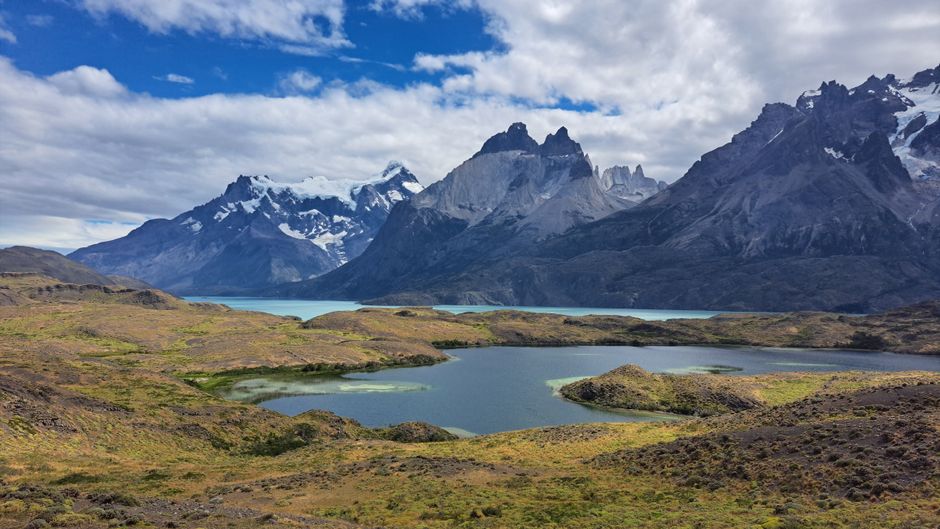
The W Trek is not a beginner hike. It is a 76 km route with 3,000 meters of elevation gain over 4-5 days. The Huemul Circuit is a 60 km route with a harness, a Tyrolean traverse over the Río Túnel, and no marked trail for long sections. Do not confuse them.
| Factor | W Trek (Torres del Paine) | Huemul Circuit (El Chaltén) |
|---|---|---|
| Distance | 76 km | 60 km |
| Days | 4-5 | 4 |
| Permit required | Park ticket + campsite bookings | Free registration at El Chaltén park office |
| Navigation | Well-marked, busy trail | Unmarked after Day 1; GPS required |
| Technical gear | None | Harness, locking carabiner, dry bag |
| Cost per person (excluding gear) | $350-$550 | $80-$120 |
| Best for | First multi-day trek with infrastructure | Experienced backpackers who want solitude |
Bottom line: If you have never done a multi-day trek, do the W Trek. The Huemul Circuit has killed people who underestimated the river crossings and the weather. Build skills first.
What the W Trek Actually Costs in 2026
People budget $300 and then get angry at the checkout screen. Here is the real math for one person doing the 5-day, 4-night W Trek in high season (December-February).
- Park entrance fee: $49 for foreigners (Chilean pesos equivalent, subject to change).
- Campsites (4 nights): $25-$35 per night for a basic tent site. $60-$90 per night for a refugio bed. Mixed itinerary: roughly $180-$250.
- Full board meals at refugios: $60-$80 per day if you do not cook. You can cut this to $15-$20 per day by carrying your own food.
- Bus Puerto Natales to park entrance: $18 round trip.
- Hostel in Puerto Natales before/after: $25-$40 per night. Two nights minimum.
- Food for 5 days on trail (self-catered): $60-$90 buying from Unimarc in Puerto Natales.
Total for a self-catered W Trek with campsites: $420-$520. With refugio beds and full board: $750-$950. Plus flights. Plus gear if you rent.
Renting gear in Puerto Natales costs roughly $8-$12 per day for a tent, $5-$7 for a sleeping bag rated to -5°C, and $4-$6 for a stove. For four nights, that is another $70-$100. If you own nothing, rent. Do not buy a $300 tent for one trip.
Gear That Survives Patagonian Wind
Patagonia breaks gear. The wind in Torres del Paine regularly hits 80-100 km/h. Cheap trekking poles snap. Ultralight tents with two poles collapse. Rain jackets with 10,000mm waterproof ratings wet out after three hours of sideways rain.
Specific recommendations based on what actually works there:
- Tent: MSR Access 2 ($800) if you are buying for future snow trips. For pure Patagonia, the Hilleberg Anjan 2 ($900) has the strongest pole structure for the weight. If renting, ask for a 4-season tent, not a 3-season.
- Rain jacket: Arc’teryx Beta AR ($600) or Patagonia Torrentshell 3L ($179). The Torrentshell is the budget pick. 3-layer construction, 20,000mm rating. The Beta AR is better but not three times better for this trip.
- Sleeping bag: Western Mountaineering UltraLite (-7°C, $525) or the budget Kelty Cosmic 20 (-6°C, $190). The Kelty weighs 1.2 kg more. You decide if $335 is worth 1.2 kg on your back.
- Waterproof gloves: Showa 282 Temres ($25). Ugly. Indestructible. Better than $80 ski gloves that soak through.
- GPS: Garmin inReach Mini 2 ($400 plus subscription). Mandatory for Huemul. Optional but smart for W Trek if you go solo.
My pick for first-timers: Rent the tent and sleeping bag in Puerto Natales. Buy the Torrentshell 3L and Showa gloves. Bring trekking poles with cork grips, not foam. Foam disintegrates when wet.
Navigation and Weather: The Two Things That Go Wrong
Most people worry about fitness. They should worry about navigation and weather windows. The W Trek is well-marked. You will not get lost. But you will get caught in a whiteout at Mirador Británico. Visibility drops to 20 meters. The trail disappears under snow even in January.
Download offline maps in Maps.me or AllTrails before you leave Puerto Natales. There is no signal inside the park. For the Huemul Circuit, download the GPS track from Wikiloc. Do not rely on a phone battery in cold weather. Bring a 10,000 mAh power bank. The Anker PowerCore 10000 ($25) is enough for five days of phone GPS use if you keep the phone in airplane mode.
Check Windguru and Yr.no every morning. If the forecast shows gusts over 90 km/h on the day you plan to cross Paso John Gardner, do not cross. People have been blown off their feet. The park does not close trails for wind. That decision is yours.
Failure Modes: What First-Timers Get Wrong
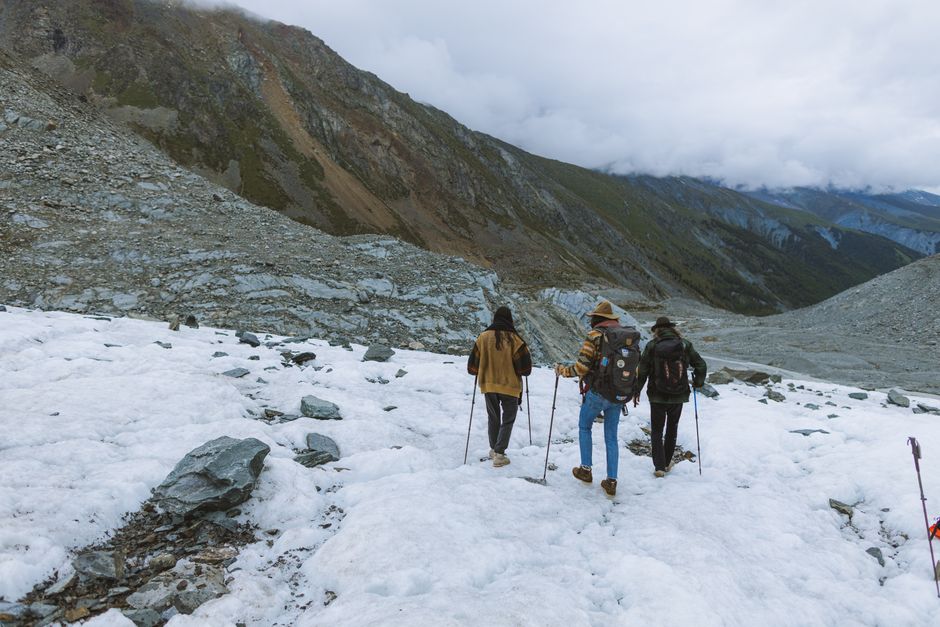
Here is the list of mistakes I have seen repeatedly, including my own:
- Booking campsites in the wrong direction. Vertice and Las Torres have separate booking systems. If you book Paine Grande for Night 2 but you are hiking east-to-west, you need it on Night 3. Double-check your itinerary against the map.
- Underestimating the bus schedule. The bus from Puerto Natales to the park leaves at 7:00 AM and 2:30 PM. Miss the morning bus and you lose a full day of hiking.
- Carrying too much food. You can buy hot meals at Paine Grande, Grey, and Central. If you are staying at those refugios, you do not need to carry breakfast and dinner for those nights. Cut 2 kg from your pack.
- Ignoring the wind forecast for the Towers viewpoint. The final climb to Base Torres is exposed. In 100 km/h gusts, you are crawling. Check Windguru the night before and start at 3:00 AM if needed.
- Not carrying cash. Some small kiosks and campsites do not take cards. Carry 50,000 Chilean pesos ($55) in small bills.
When Not to Trek Patagonia
Patagonia is not the right trip for everyone. If you have never slept in a tent, do not make the W Trek your first camping experience. Do a two-night shakedown trip somewhere closer to home first. If you only have seven days including flights from North America or Europe, do not attempt the W Trek. You need two days for travel, one day in Puerto Natales for logistics, and five days on trail. That is eight days minimum. Ten days is comfortable.
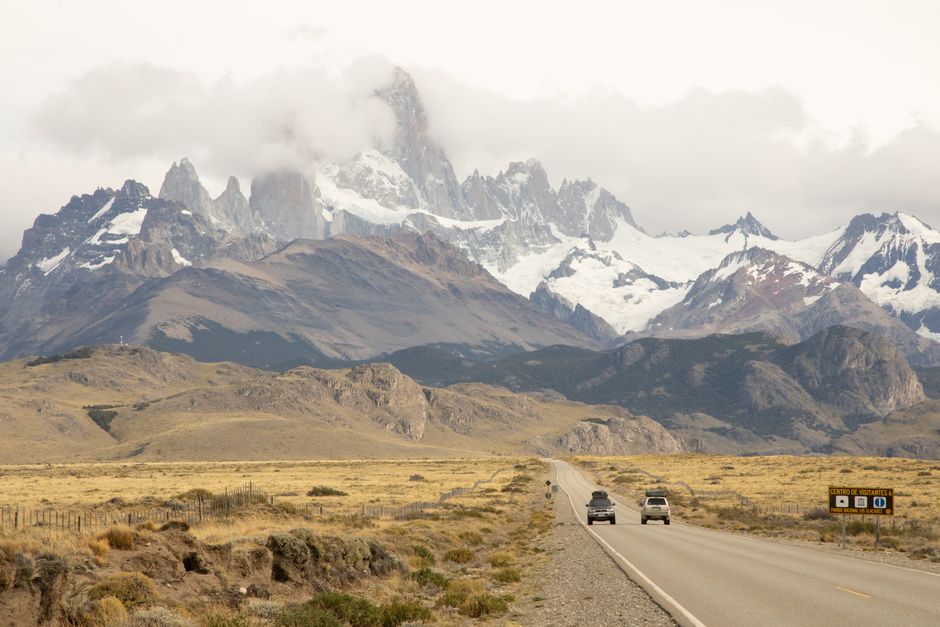
If you want Patagonia scenery without the logistics, fly to El Calafate and do day hikes from El Chaltén. The Laguna de los Tres trail (25 km round trip) gives you the Fitz Roy view without a permit, without campsite bookings, and without carrying a tent. Stay at Rancho Grande Hostel ($30/night dorm bed) and hike every day. You lose the multi-day experience but you gain flexibility.
For the specific situation of a first multi-day trek with reliable infrastructure and world-class scenery, the W Trek is the best choice because the refugio system provides a safety net that does not exist on the Huemul Circuit or in most other remote mountain ranges.
The single most important takeaway: book your Torres del Paine campsites and refugio beds before you book anything else, or you will pay double for a last-minute guided tour.