
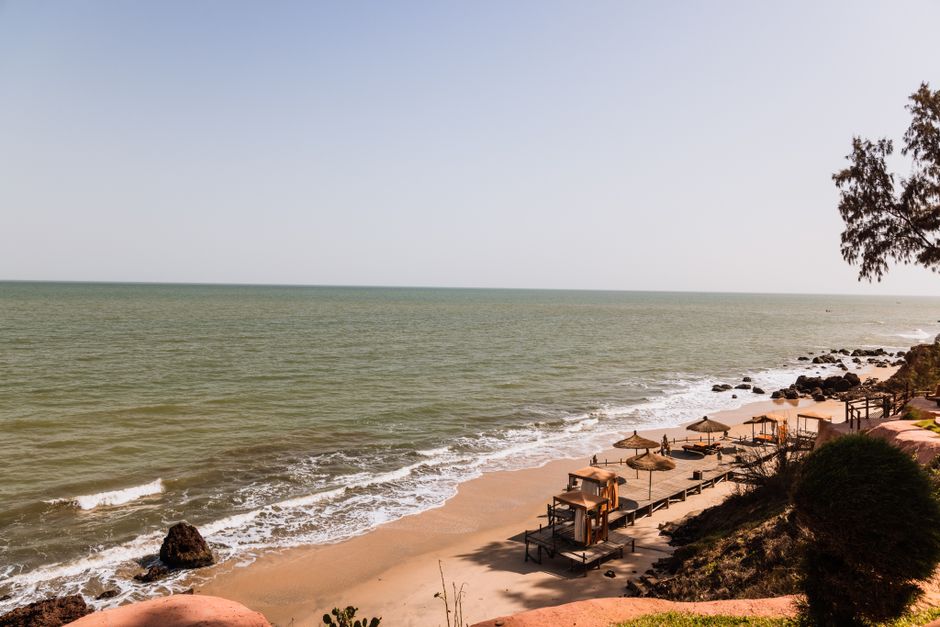
You have one free day between flights, a conference, or a longer safari, and the coast is right outside your hotel. That sounds easy until you see the distances. A beach may be 20 minutes away, while the famous island, reserve, or viewpoint takes two hours each way. I have learned to treat a single free day as a logistics problem first and a sightseeing problem second. The best Africa coastal day trips keep the main experience close, leave a large return buffer, and still work if June wind or rain changes the plan.
Cape Town, Zanzibar, Mombasa, or Durban?
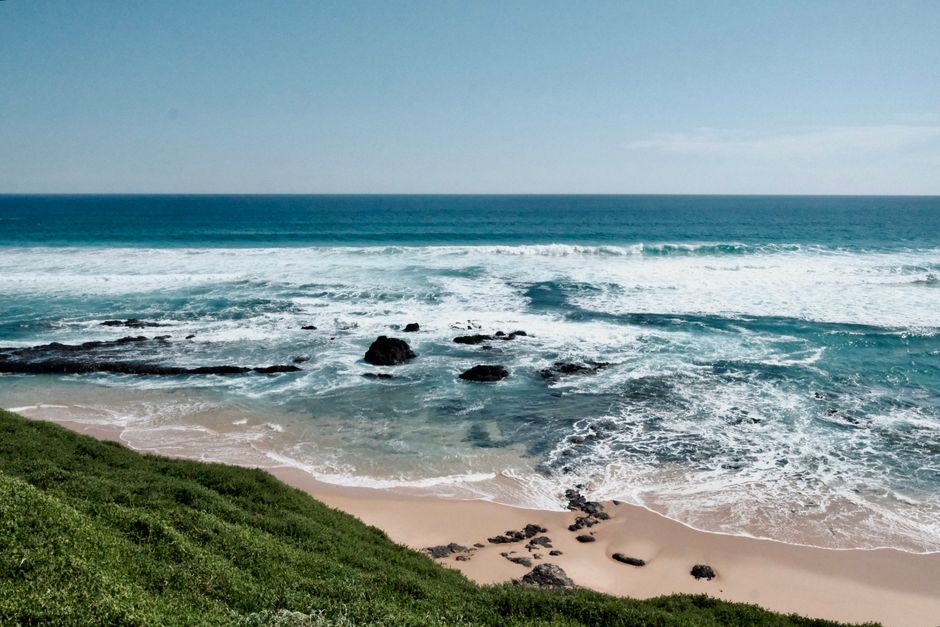
These four bases offer very different versions of a coastal day. Cape Town gives you scenery and history but carries the highest weather risk in June. Zanzibar and Mombasa deliver warmer water and a stronger tropical feel, while Durban is the easiest low-planning choice if you want a managed attraction beside the beach. The table is how I narrow the decision before booking anything.
| Base | Best one-day experience | June strength | Main risk | My verdict |
|---|---|---|---|---|
| Cape Town | Cape Point, Boulders, or Robben Island | Big scenery and history | Wind, rain, cold Atlantic water | Best for first-time visitors who want variety |
| Zanzibar | Stone Town and Changuu, also called Prison Island | Warm water and compact sightseeing | Boat timing and beach-tour markups | Best for a relaxed tropical day |
| Mombasa | Mombasa Marine National Park and a short old-town visit | Snorkeling, reefs, and Indian Ocean beaches | Traffic and unclear boat inclusions | Best for marine life if you start early |
| Durban | Golden Mile, uShaka Marine World, or a nearby beach | Simple transport and many backup options | Cooler water and attraction pricing | Best for low logistical risk |
My fast decision
Choose Cape Town if this is your only chance to see dramatic landscapes. Choose Zanzibar if warm water matters more than museums. Choose Mombasa if snorkeling is the point of the day. Choose Durban if you want a reliable plan that can survive rain, tired children, or a late start.
What I would not force
I would not combine Mombasa and Diani in one day, or squeeze a full Cape Point drive into a short Cape Town afternoon. Those plans look attractive in search results because the locations are close on a map, but they are not close in real traffic. A smaller plan with time to eat, stop, and turn around feels far better.
How to protect a June day from weather and delays
June is not one uniform season across Africa. Cape Town is in its wetter winter period, while Zanzibar, Mombasa, and Durban can still have bright days mixed with wind or showers. I use this five-step method before paying for anything.
- Check the sea, not only the sky. A sunny morning can still bring rough water, cancelled snorkeling, or a delayed return boat. Look for the operator’s cancellation rule and ask who pays for the second transport leg.
- Start with the fixed booking. Put the ferry, marine-park departure, or timed entry first. Build lunch and wandering around it, not the other way round.
- Leave a return buffer. Add 90 minutes in a quiet town and at least two hours in a traffic-heavy city. Add more if you must reach an airport.
- Carry a dry backup. A museum, historic quarter, aquarium, food market, or covered café should be within a short taxi ride. Do not make the backup another distant booking.
- Confirm the total cost. Ask if the price includes park entry, boat fuel, hotel pickup, equipment, lunch, and return transport. The cheapest headline price often excludes the parts that make the day work.
The 90-minute buffer that saves the day
My rule is to finish the main activity before the last third of daylight. That leaves room for a slow road, a boat queue, or a change of beach. It also gives you time to stop chasing a perfect sunset when the weather has already turned.
What to pack for mixed conditions
Take one light waterproof layer, a dry bag, reef-safe sunscreen, a hat, closed shoes, and a small amount of cash. In Cape Town, add a warm layer even when the forecast looks mild. In Zanzibar and Mombasa, protect your phone and passport from spray. The small bag matters more than bringing a second outfit you will never use.
Cape Town wins for scenery and history
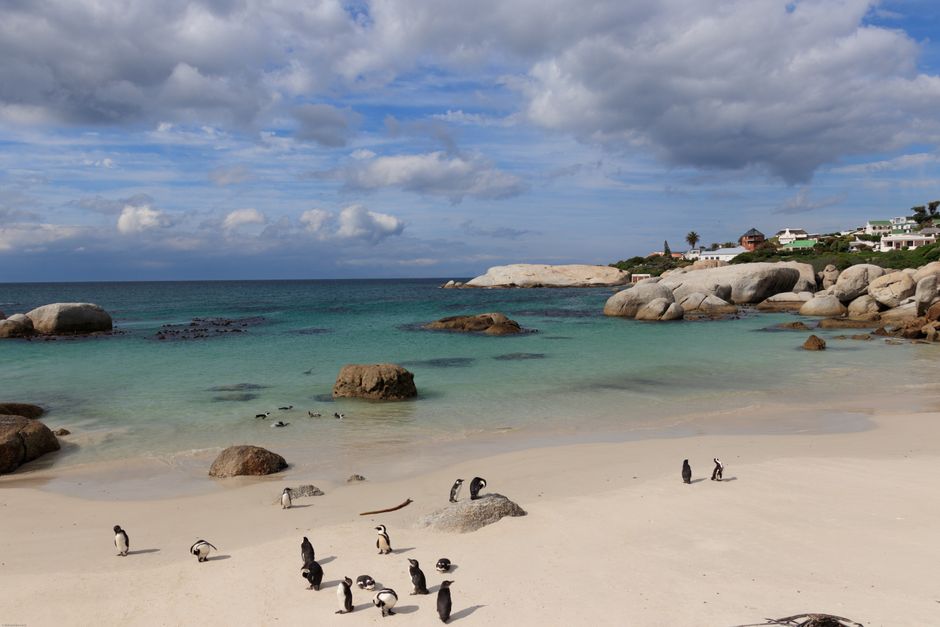
My Cape Town pick is the Cape Peninsula route when you have a full daylight window and a reliable driver. It gives you ocean views, penguins, cliffs, and a clear sense of the city in one day. I prefer it to spending the whole day inside one attraction because the landscape is the reason to come here. If rain or cloud blocks the peninsula, switch to a shorter city plan instead of pretending the weather is fine.
The route I would book
Leave around 7:30 a.m., drive toward Hout Bay and Chapman’s Peak if open, then continue to Boulders and Cape Point. For international visitors, the 2026–2026 SANParks tariff lists Boulders at R245 and Cape Point at R515 for adults. Those are separate conservation fees, so food, transport, and any guide cost extra. The official SANParks rate page is the place to recheck prices before June.
When to choose history instead
If the forecast shows strong wind, choose Robben Island Museum only if ferry seats are confirmed and your day can absorb its roughly 3.5-hour tour. The museum says the visit includes the ferry journey and can vary by boat. Pair it with the V&A Waterfront, not Cape Point. Table Mountain Aerial Cableway is another strong option, but the cableway can close in bad weather, so do not build an airport-day plan around it. My verdict: Cape Town is the best all-round choice, but only when you treat weather as part of the itinerary.
Mombasa or Durban: pick one for your trip style
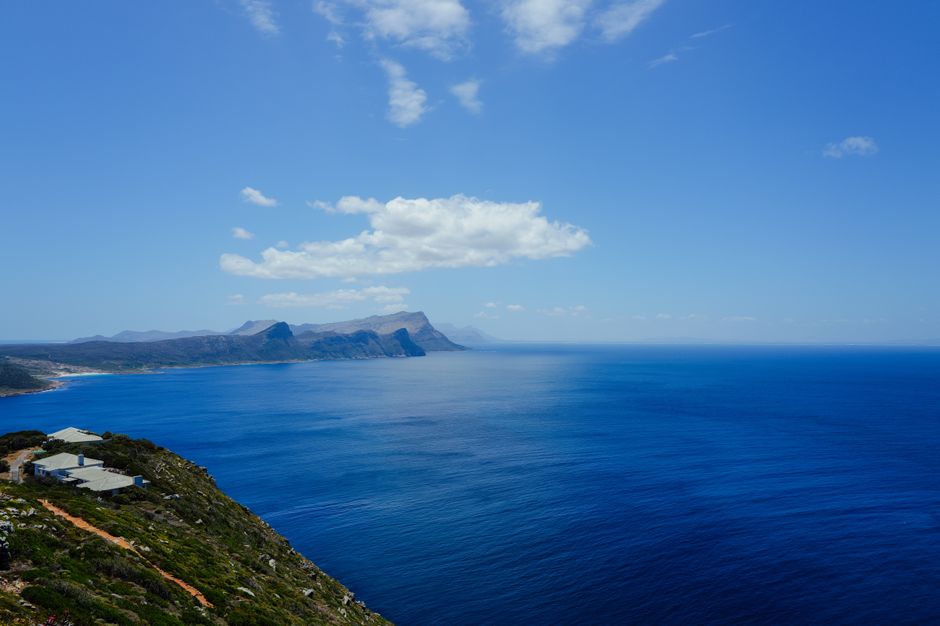
Pick Mombasa for marine life and Durban for certainty. That is the cleanest split. Mombasa feels more rewarding when the sea is calm and you start early; Durban is easier when you want a dependable attraction, a promenade, and several ways to shorten the day.
Mombasa for snorkeling
Mombasa Marine National Park is the stronger choice if you want reef time rather than a resort beach. The park can be reached from several beach access points, including Nyali and Voyager, but that flexibility also creates confusion. Ask for the exact launch point, boat capacity, snorkeling time, and weather refund before paying. The Kenya Wildlife Service page has the current entry rates. My verdict: choose Mombasa when underwater life is the priority and you can leave by 7:00 a.m.
Durban for a controlled day
Durban is the safer choice for a late start or a mixed-age group. uShaka Marine World currently posts R267 for Sea World or Wet ’n Wild and R399 for the adult combination ticket, with a warning that rates can change and the water park has seasonal closure days. Since those posted prices apply from 1 September 2026, confirm the June rate before relying on them. The aquarium, Golden Mile, and beach promenade give you useful backups even if rain interrupts the main attraction. Do not buy the combo ticket unless you will genuinely use both areas; one attraction plus the beach is better value for a short day.
My final one-day plans, side by side
For a single free June day, I would book one of these three plans. The first is the most scenic, the second is the most relaxing, and the third has the lowest chance of a ruined day. None requires a rushed cross-country transfer or a promise that the weather will cooperate.
The three plans I trust
Best overall: Cape Town Peninsula if you have 9 to 10 daylight hours and no flight that evening. Best warm-water plan: Zanzibar Stone Town and Changuu with an early return. Best low-risk plan: Durban promenade and one uShaka attraction, with the aquarium as the weather backup.

