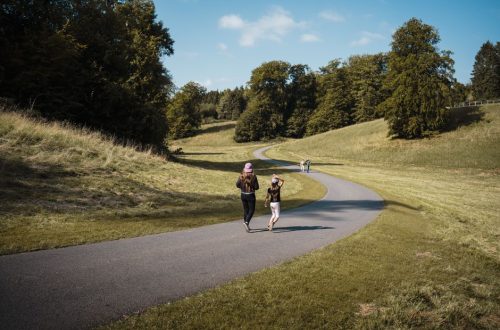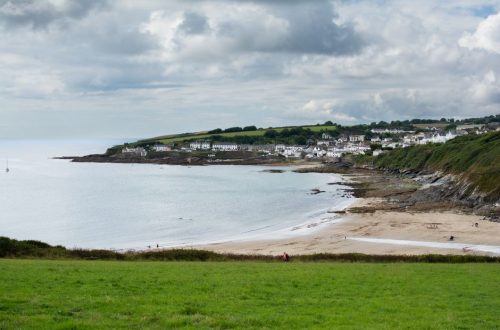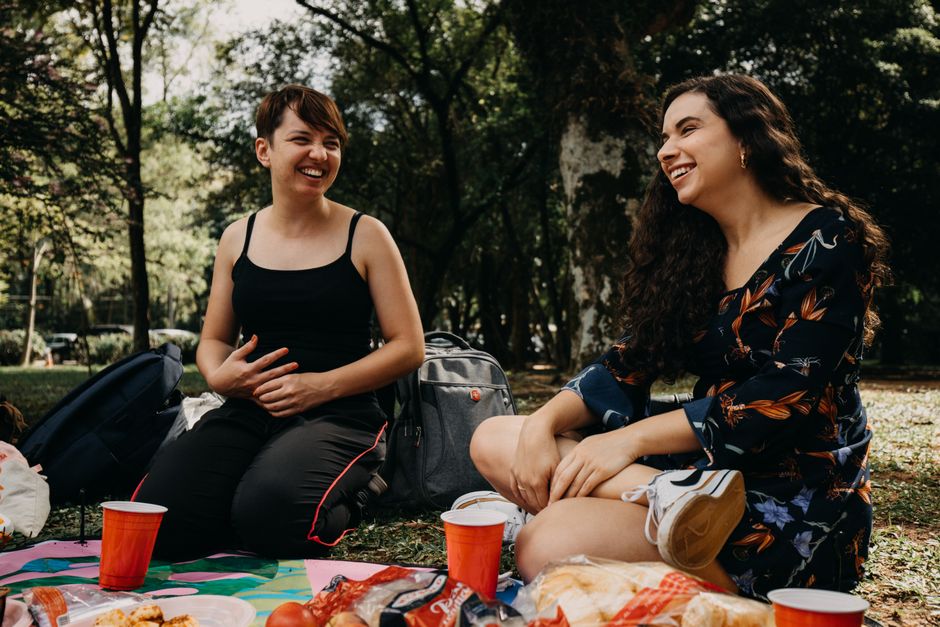
A successful July picnic with children needs more than a large lawn. The best plans join a short shaded walk, a reliable lunch spot, nearby toilets and an easy escape route if the heat, mud or tired legs change the day.
How should you plan a July picnic around heat and shade?

Start with the hottest part of the day, then work backward. Children usually cope better when the walk happens before lunch, the main meal takes place under mature trees, and the final activity is close to toilets or transport.
Build the day backward from lunch
- 8:30 to 10:30: Arrive early, when paths are cooler and parking is easier. Walk the most exposed section first.
- 10:30 to 11:00: Stop for water and a small snack before children become hungry or irritable.
- 11:00 to 12:00: Move into woodland or deep tree shade. Let children explore while adults check the picnic site.
- 12:00 to 13:00: Eat the main picnic under trees, not in the middle of a bright lawn.
- After 13:00: Use a playground, visitor centre, café or short return route. Avoid adding a long exposed loop.
Use three fixed anchors on the map
Mark the entrance, the nearest toilet and the most dependable shaded area before leaving home. Add a water point if the park provides one, but carry enough drinking water for the full walk because fountains can be closed or busy. The picnic site should be no more than ten minutes from a toilet for younger children. That small limit prevents a minor problem from ending the day.
Do not trust the word “woodland” by itself. A tree-lined approach may open into a large sunny field, and a streamside path may have wet ground after rain. Look at the route map, satellite view and current visitor notes together. The best July plan has a short version that still works if everyone needs to stop early.
Why does woodland shade work better than an open picnic lawn?
Shade is not just a comfort feature. It changes how long a child can walk, how quickly food warms up and how easy it is for adults to watch several children at once. Mature trees block direct sunlight, lower the glare on paths and create small pockets where families can stop without occupying the whole route.
Shade is a route property, not a park label
A park can contain both excellent shade and punishing heat. The useful question is not “Does this park have trees?” It is “How much of the route between the entrance, toilet, picnic spot and play area stays shaded?” Bushy Park’s Waterhouse Woodland Gardens are useful because the trees and water features form a compact area. Richmond Park has woodland gardens, but its wider grassland routes are much more exposed. A family can enjoy both, but the July route should stay close to the planted areas during the warmest hours.
Tree shade also gives children more interesting things to do. Streams, bridges, fallen timber and changing textures create natural stopping points. That matters because children rarely measure a walk in kilometres. They measure it in discoveries. A route with four small features can feel shorter than a straight path of the same distance.
Save the open lawn for the right part of the day
Open grass is excellent for a picnic blanket, ball games and running, but it works best in the morning or later afternoon. In strong midday sun, it becomes a poor base for a long lunch unless there is a large tree beside it. The grass may also hide uneven ground, ants, wet patches or livestock droppings in country estates.
Use the lawn as a ten-minute play stop, not the only destination. Pack lunch near the woodland edge instead. Adults get better visibility, children can move between sun and shade, and the family has a quick exit if the temperature rises. For July 2026 planning, that simple split between a shaded meal and a brief open-air play session is more reliable than chasing the prettiest viewpoint.
What route length actually works for children?
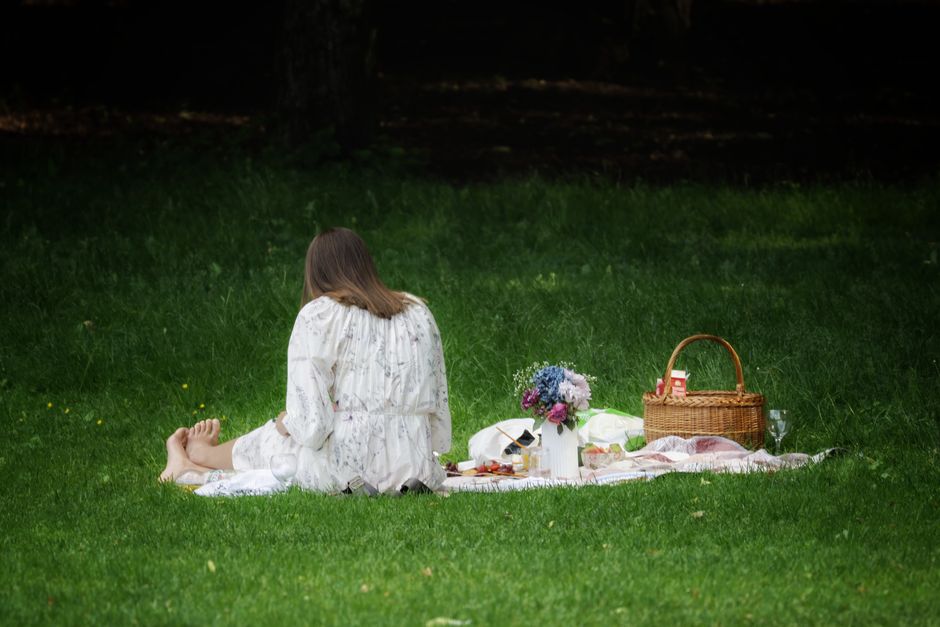
For most family picnic days, 1.5 to 3.2 kilometres is the best target. That range gives children a sense of adventure without turning the picnic into a forced march, and it matches the short routes at Linn of Dee, Richmond Park’s Isabella Plantation and Cliveden.
Match distance to the youngest walker
For children aged two to four, plan 500 metres to 1.5 kilometres, with a clear halfway stop. The route should stay close to toilets and the start point. A buggy can extend the practical range, but only if the surface is firm and the route has no steep steps, narrow bridges or deep mud.
For children aged five to eight, 1.5 to 3 kilometres usually works when the route includes a target such as a bridge, pond, den or playground. For older children, a 3 to 5 kilometre loop can work if the terrain is easy and the picnic comes before fatigue. Distance is less important than the number of hard decisions required along the way. A confusing route with several gates can feel longer than a simple out-and-back path.
Cut the route before children ask
Adults often wait until a child is already tired, hot or upset before shortening the walk. That is late. Decide in advance where to turn back. Use a bridge, pond or signpost as the decision point. If children have stopped talking, are walking slowly or are asking repeatedly when lunch starts, take the shorter option. The clear winner is the route that finishes with enough energy left for eating and playing.
Which shaded routes suit buggies, toddlers and older children?

Which route is easiest with a buggy?
Choose a firm, wide path close to the entrance, toilets and an early exit. Bushy Park’s larger roads and paths can make route planning simpler, while Cliveden offers a family trail but warns that some ground can become muddy. Avoid assuming that a woodland route is buggy-friendly. Roots, loose gravel, steps and narrow gates can appear after an easy first section.
Which route suits toddlers who need frequent stops?
Bushy Park is the strongest choice because the Waterhouse Woodland Gardens, playground and Diana Fountain create several short targets. Richmond Park’s Isabella Plantation also works for a calm, slower walk, but the route includes a slight decline and should be checked against current access information. Toddlers need a route where turning back feels easy, not one where the family is committed to a large loop.
Which route gives older children a real sense of adventure?
Heddon Valley and Linn of Dee are better for older children who enjoy a destination, wildlife spotting or simple navigation. Heddon’s Mouth gives the walk a clear end point, while Linn of Dee’s 1.5 km orienteering option adds a task to the distance. Older children can handle longer routes, but heat still changes the calculation. A shaded 3 km walk is often a better July choice than an exposed 5 km route with no stopping points.
What should you do when the route fails?
The best family picnic plan has a failure mode built in. Rain, crowded parking, wet paths, tired children and a missing patch of shade are normal travel problems, not signs that the day has failed.
Use a three-level backup plan
- Level one: Keep the same park but shorten the walk. Move the picnic close to the entrance, toilets or visitor facilities.
- Level two: Replace the woodland loop with a short path and a playground, nature trail or café stop. The day still counts if the walking distance changes.
- Level three: Leave before lunch and use the food at home or in a sheltered indoor setting. Do not keep walking because the picnic was packed.
Avoid these common mistakes
Do not start at midday with the longest exposed section. Do not promise children a lake or beach without checking the distance from the entrance. Do not rely on one toilet block, one water fountain or one perfect tree. Do not treat a park map as proof that every path is dry, level or open. Gates, maintenance work, livestock and seasonal wildlife restrictions can change the practical route.
Check the official park page before leaving, then set a turn-back time. A family picnic succeeds when the group eats in the shade, has enough energy to enjoy the final stop and can leave easily when conditions change. That is the resolution to the opening problem: in July, the most memorable UK park picnic is built around a flexible shaded route, not a perfect patch of grass.