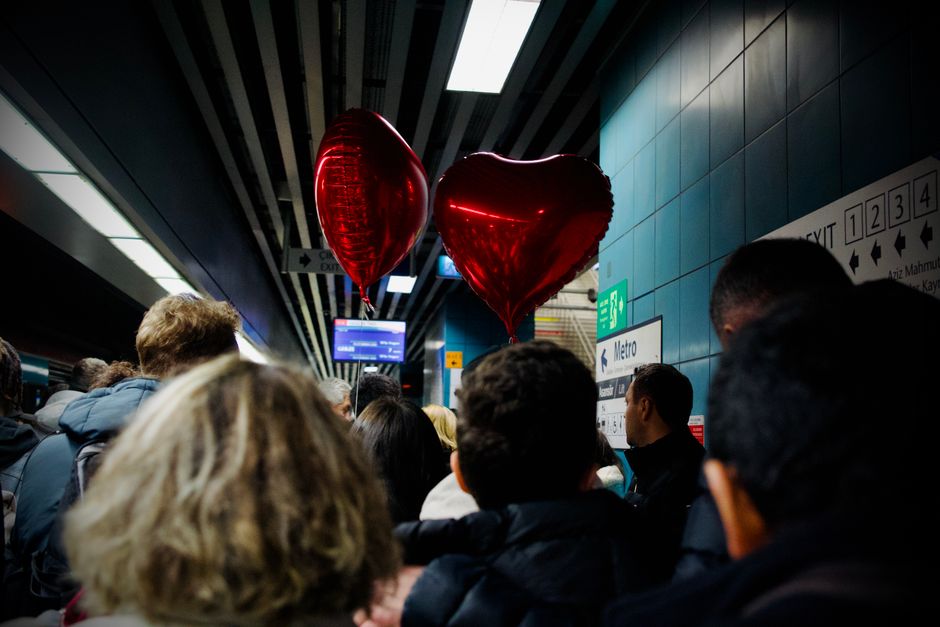
Most first-time visitors assume Rome’s public transport works like London or Paris. It doesn’t. The metro has three lines that mostly avoid the historic center. Buses run on schedules that feel more like suggestions. And the ticket system confuses even Italians. But once you understand the logic, moving around Rome alone becomes simple and cheap.
This guide covers exactly what you need: which tickets to buy, which apps actually work, how to avoid the most common solo traveler mistakes, and when to just walk instead.
What a Single Ticket Actually Gets You (And What It Doesn’t)
A standard ATAC BIT ticket costs €1.50 and is valid for 100 minutes from first validation. You can switch between metro, tram, and bus within that window. You cannot re-enter the metro after exiting. One metro ride = ticket used for metro purposes, but you can still hop on a bus within the remaining time.
Here’s the breakdown of current 2026 ticket options:
| Ticket Type | Price | Best For | Validity |
|---|---|---|---|
| BIT (single) | €1.50 | One or two short trips | 100 min from first use |
| Roma 24H | €7.00 | One full day of heavy use | 24 hours |
| Roma 48H | €12.50 | Weekend trip | 48 hours |
| Roma 72H | €18.00 | Three days with lots of moving | 72 hours |
| CIS (weekly) | €24.00 | Staying 5+ days | 7 days |
The Roma Pass often gets recommended to tourists. It includes transport plus free or discounted museum entry. For solo travelers focused on transport only, it rarely saves money. The 48-hour Roma Pass costs €32 and includes one free museum. If you only need transport, the 48H ticket at €12.50 is far cheaper. Buy the Roma Pass only if you plan to visit at least two major paid sites like the Colosseum and Borghese Gallery.
Where to Buy Tickets Without Getting Scammed
Buy tickets at metro station machines, tobacco shops (tabacchi), or newsstands. Don’t buy from people near turnstiles offering to “help” — they sometimes sell used or invalid tickets. The official ATAC app and the MooneyGo app let you buy digital tickets with a credit card. Digital tickets activate on your phone; inspectors scan a QR code. No need to validate on board.
Validation Rules Solo Travelers Miss
Paper tickets must be validated in the yellow machines on buses or at metro gates. Boarding a bus without validating = fine up to €100 if inspectors check. Inspectors do random checks, especially on tourist-heavy routes like the 64 bus to the Vatican. Keep your validated ticket until you exit the station or leave the bus.
The Metro Lines: Three Lines, One Big Gap
Rome has three metro lines: A (orange), B (blue), and C (green). Line A runs from Battistini to Anagnina, passing the Vatican (Ottaviano stop), Spanish Steps (Spagna), and Termini. Line B connects Tiburtina, Termini, Colosseum, and EUR. Line C is mostly useful for residents, not tourists.
The historic center — Pantheon, Piazza Navona, Campo de’ Fiori, Trastevere — has no metro access. You will walk. That’s not a flaw; it’s just how the city works. A solo traveler staying near the Pantheon will use buses or walk more than the metro.
Termini is the only interchange between A and B. It’s chaotic, crowded, and a known pickpocketing hotspot. Keep your bag zipped and in front of you. Don’t stop at the top of escalators to check your phone. Move through.
Buses and Trams: The Real Workhorses
If you’re staying in the center, you’ll rely on buses. The 64 bus runs from Termini to the Vatican and is famous for pickpockets. The 40 bus is the express version with fewer stops. The 8 tram connects Trastevere to Largo Argentina. The 3 tram runs through San Lorenzo and the Colosseum area.
Here’s what nobody tells you: bus arrival times on Google Maps are estimates. Real-time positions work better in the MooneyGo app or Probus Rome. At night, some buses run less frequently. After midnight, night buses (line N) replace daytime routes. They run roughly every 20-30 minutes on main corridors.
When a bus approaches, raise your hand to signal it to stop. Otherwise it may drive past. To get off, press the red button near the doors before your stop. Doors don’t open automatically.
Night Travel Alone: What’s Safe and What’s Not
Rome’s center stays busy until late, especially around Campo de’ Fiori and Trastevere. Walking at midnight in these areas feels safe. But waiting alone at a dark bus stop on the outskirts at 1 a.m. is not smart. Use the metro until it closes (around 11:30 p.m. Sunday-Thursday, 1:30 a.m. Friday-Saturday). After that, take a licensed taxi or use the FreeNow or Uber app. Uber in Rome only offers Uber Black and Uber Van, so it costs more than a regular taxi. A taxi from Trastevere to Termini at night costs around €12-15.
The Mistake Most Solo Travelers Make on Day One

They try to see everything using transport. Bad plan. Rome is best explored on foot. The distance from the Colosseum to the Pantheon is about 1.5 km. From the Pantheon to the Vatican is 2 km. Walking saves time, money, and stress. Use transport for longer jumps: Termini to Vatican, Trastevere to Colosseum, or getting back to your hotel after a long day.
Another common mistake: not having a backup plan when buses don’t show. A bus scheduled for every 10 minutes can suddenly have a 25-minute gap. If you’re headed to a timed entry at the Colosseum or Vatican Museums, leave 30 minutes earlier than Google Maps suggests. Missed entry slots are not refunded.
Which Areas Are Best Connected for Solo Travelers
Pick your accommodation based on transport access. These neighborhoods work well:
- Monti — walking distance to Colosseum and Termini, metro Line B at Cavour, tons of restaurants.
- Trastevere — tram 8 to center, nightlife, but no metro. Buses can be slow in evening traffic.
- Prati — near Vatican, metro Line A at Ottaviano, quieter at night, good for solo women.
- Testaccio — metro Line B at Piramide, local vibe, great food, fewer tourists.
- San Lorenzo — tram 3 and 19, student area, cheap eats, grittier but safe.
Staying near Termini is convenient but noisy and sketchy after dark on side streets. The station itself is fine; the surrounding blocks east of it are less pleasant. If you book a hotel near Termini, choose one on the west side toward Repubblica.
Pickpocketing on Roman Transport: The Honest Reality
Rome is not dangerous for solo travelers. Violent crime against tourists is rare. But pickpocketing on crowded buses and metro trains is common. The 64 bus, metro Line A between Termini and the Vatican, and Termini station itself are the top three spots.
What works:
- Wear a crossbody bag with zippers facing your body. Keep a hand on it in crowds.
- Never put your phone in your back pocket. Not even for a minute.
- Avoid standing near doors with your bag loose. Thieves grab and exit as doors close.
- If someone bumps into you hard, check your belongings immediately.
- Keep a photo of your passport on your phone. Leave the real one locked in your hotel safe.
If you do get pickpocketed, file a police report at the nearest station. You need it for insurance claims. The process takes about an hour. Don’t let it ruin your trip — it happens to locals too.
Quick Verdict: What to Buy and When
Here’s my recommendation based on trip length:
| Trip Length | Best Ticket | Total Cost | Why |
|---|---|---|---|
| 1-2 days | BIT tickets as needed | €3-6 | You’ll walk most of the center anyway |
| 3 days | Roma 72H | €18 | Unlimited rides, no ticket machine lines |
| 4-5 days | Roma 72H + extra BITs | €21-24 | Cheaper than weekly for short stays |
| 6-7 days | CIS weekly | €24 | Best value if you move daily |
Skip the Roma Pass unless you’re doing heavy museum visits. Skip the hop-on-hop-off buses — they’re overpriced at €25-30 per day and stuck in the same traffic as public buses. The regular ATAC network covers the same ground for a fraction of the cost.