Most advice for solo women in Latin America is written by people who’ve never been. They’ll tell you to “stay alert” and “dress modestly” — useless generalities that don’t prepare you for anything real.
I’ve spent 14 months traveling solo through Mexico, Colombia, Peru, Bolivia, and Argentina. I’ve been robbed once (Bogotá, smartphone, my fault), harassed plenty, and never felt genuinely unsafe when I followed my own rules. Here’s what I learned.
The Real Danger Isn’t Cartels — It’s Your Own Bad Decisions
Tourists don’t get kidnapped by drug lords. They get pickpocketed on crowded buses, scammed by fake taxi drivers, or robbed after stumbling drunk at 2 AM. The media sells you cartel fear because it gets clicks. The actual risks are boring and preventable.
Where theft actually happens
Buses, metro stations, crowded markets, and ATMs. Thieves target distracted people. The guy with his phone out on a Mexico City metro car? Easy mark. The woman fumbling with a map at a bus station in Medellín? Target.
I got my phone stolen in Bogotá because I had it in my back pocket on a packed TransMilenio bus. Dumb. Don’t be like me.
What to do instead
Keep your phone in a front zippered pocket or a money belt under your shirt. Carry a decoy wallet with a few expired cards and $20. Use a phone leash — the Pacsafe Carrysafe 200 (about $30) has a slash-resistant strap. I’ve used it for three years. It works.
For buses, keep your main bag in the overhead rack but lock it with a Master Lock 4680D cable lock ($12). Your daypack stays on your lap, zippers clipped together with a small carabiner.
Accommodation: Where You Sleep Matters More Than Anything
I’ve stayed in 47 hostels and 12 hotels across Latin America. The worst experiences — theft, harassment, sleepless nights — all happened in places I chose cheaply without checking the neighborhood.
Here’s the rule: pay for location first, then safety features, then comfort. A $10 hostel in a bad area is a bad deal. A $25 hostel in a safe, central neighborhood with a 24-hour reception is worth every penny.
Red flags at check-in
If the receptionist doesn’t ask for your passport or ID, leave. If the door lock is flimsy, ask for a different room. If the window doesn’t lock from the inside, find another place.
I always carry a Addalock portable door lock ($15). It slides under any standard hotel door handle and prevents entry from outside. Takes three seconds to install. I’ve used it in Medellín, Lima, and Buenos Aires. Non-negotiable.
Neighborhood research in 10 minutes
| City | Safe area | Avoid |
|---|---|---|
| Mexico City | Condesa, Roma Norte, Polanco | Tepito, Iztapalapa, Doctores (at night) |
| Bogotá | Chapinero, Usaquén, La Candelaria (daytime) | San Cristóbal, Ciudad Bolívar, parts of Santa Fe |
| Lima | Miraflores, Barranco, San Isidro | Callao, Villa El Salvador, Comas |
| Buenos Aires | Palermo, Recoleta, Belgrano | La Boca (after dark), Villa 31, Constitución |
Cross-reference Hostelworld reviews with Google Maps street view. If the street looks dark and empty in the photos, don’t book.
Transportation: The Scam Playbook (and How to Beat It)
Transport scams are the most common way tourists lose money in Latin America. The fake taxi driver who “doesn’t have change” for a 100-peso note. The bus ticket seller who charges double. The airport shuttle that drops you at a “hotel” that’s actually a timeshare pitch.
I’ve been hit by three of these. Here’s how to avoid them all.
Use ride-hailing apps, not street taxis. Uber and DiDi work in most major cities. In Medellín, use Uber. In Buenos Aires, use Cabify. In Mexico City, Uber is fine but also try Didi. The app logs your route, driver info, and payment. Street taxis give you none of that.
If you must take a taxi (some smaller towns have no apps), negotiate the price before getting in. Have small bills. The driver who says “I don’t have change” for your 500-peso note is lying. Carry denominations of 50 and 100.
Bus travel is safe if you’re smart. Overnight buses are common. Pay for the cama or semicama class — it’s safer and more comfortable. Bus companies like Cruz del Sur (Peru), Expreso Brasilia (Colombia), and ETN (Mexico) have good reputations. The cheap bus companies with no website and no assigned seats? Skip them.
Keep your valuables in a small bag that stays on your body while you sleep. Not in the overhead rack. Not under the seat. On your lap with the strap wrapped around your arm.
When NOT to Trust Your Gut — And When To Trust It Completely
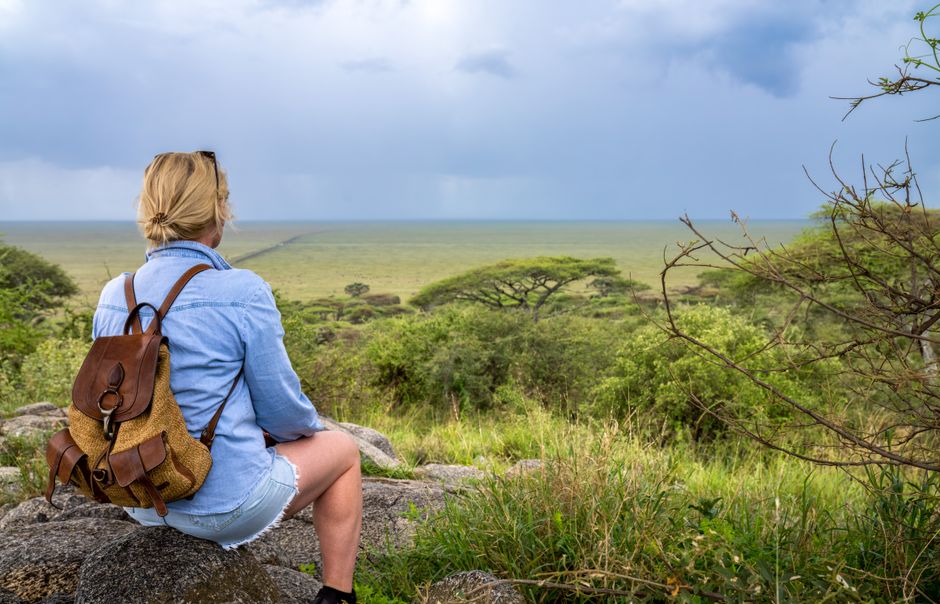
Travel advice often says “trust your instincts.” That’s half right. Your gut is excellent at detecting immediate physical danger — the guy following you too closely, the street that feels wrong, the person who invades your personal space.
Your gut is terrible at detecting scams. Scammers are professionals. They’ve practiced their lines hundreds of times. They’re charming, friendly, and they make you feel like you’re being rude if you say no. That’s the point.
The three most common scams
- The “friend” scam: Someone approaches you, says they’re a local, offers to show you around. They take you to a bar or restaurant where you get a bill for $200. The “friend” disappears. The bouncer doesn’t let you leave until you pay. Solution: never go anywhere with a stranger who approaches you on the street. Ever.
- The “fake official” scam: Someone in a uniform stops you, says you need to pay a fine or show your passport. They’re not real police. Solution: ask to go to the nearest police station. Real cops will agree. Fakes will disappear.
- The “spilled drink” distraction: Someone “accidentally” spills something on you. While you’re cleaning up, an accomplice grabs your bag. Solution: keep your bag zipped and on your front in crowded areas. Don’t stop to clean until you’ve secured your belongings.
Trust your gut when you feel physically threatened. Trust your brain when someone seems too friendly, too helpful, or too eager to get you alone.
The One Rule That Overrides Everything Else
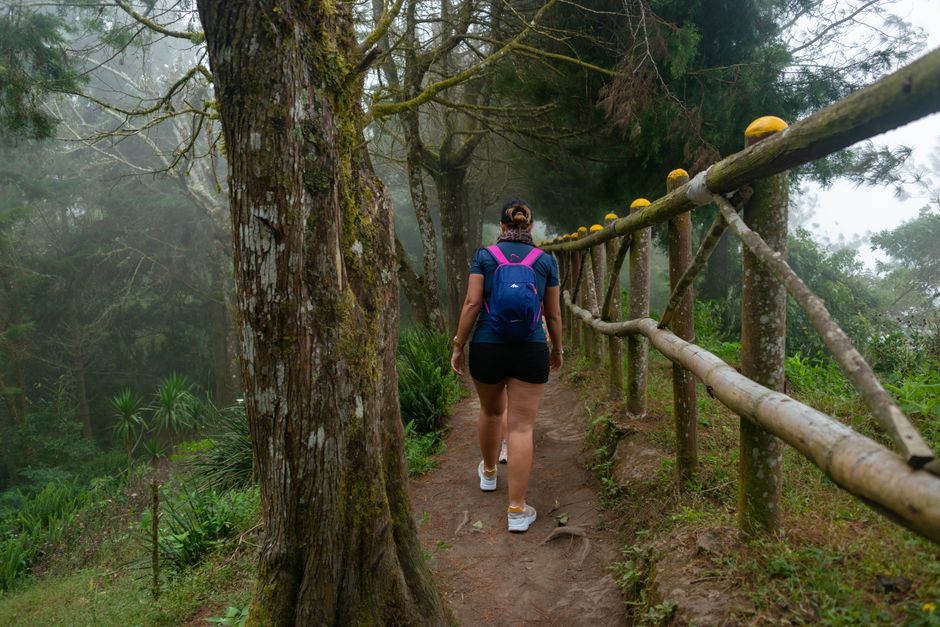
I’ve saved the most important tip for last. It’s not about locks, apps, or neighborhoods. It’s this: don’t be the most vulnerable person in the room.
Thieves and scammers look for easy targets. Someone who looks lost, distracted, drunk, or overloaded with bags. Someone who’s clearly a tourist and clearly not paying attention.
You don’t need to look like a local. You can’t. But you can look like someone who’s not worth the trouble. Walk with purpose. Know where you’re going before you step outside. Don’t have your face buried in your phone. Keep your bag closed and in front of you.
The woman who walks into a bus station, heads straight to the ticket counter, pays with exact change, and sits near the driver? She’s not a target. The woman who wanders in circles, pulls out a paper map, and asks random people for directions? She is.
I’ve been both. The difference in experience is night and day.
Latin America is not a war zone. It’s a region with real safety challenges and real solutions. The fear porn you read online is designed to keep you scared and clicking. The reality is that millions of solo women travel here every year and return safely. Be one of them.
Pack a door lock, learn the scams, choose your neighborhood carefully, and walk like you belong. You’ll be fine.