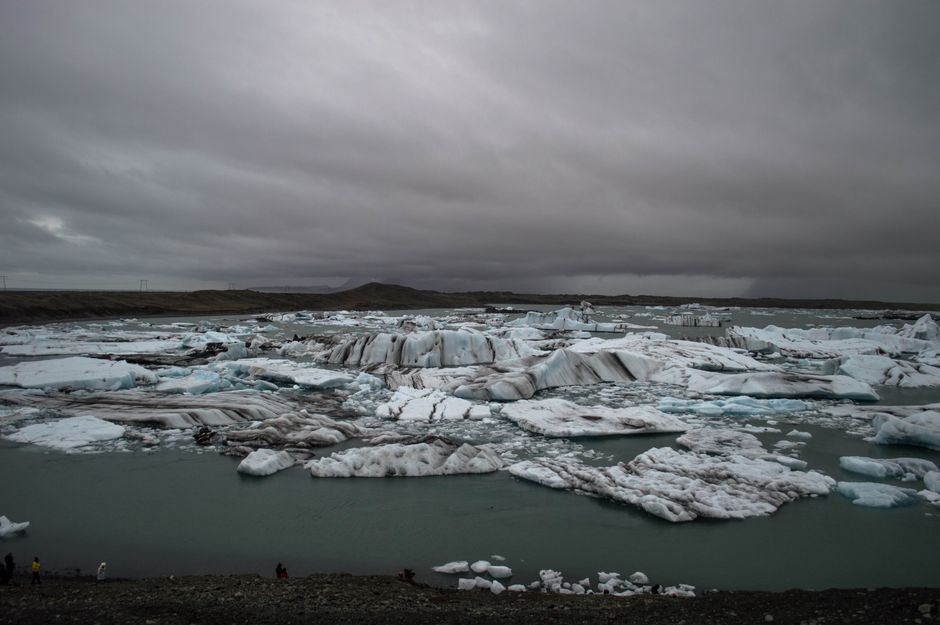
In January, Iceland’s average temperature hovers around 0°C. But the wind chill pushes the real-feel temp to -10°C or lower. You’re not just cold — you’re wet, blasted sideways by gusts, and standing on ice. A standard winter coat won’t cut it.
This is the packing list I used for 14 days driving the Ring Road in February. Every item earned its spot. Nothing extra.
The Temperature Reality You Need to Plan For
Most people pack for the number on the thermometer. That’s a mistake. Iceland’s winter weather is defined by wind and moisture, not just temperature.
Wind chill changes everything
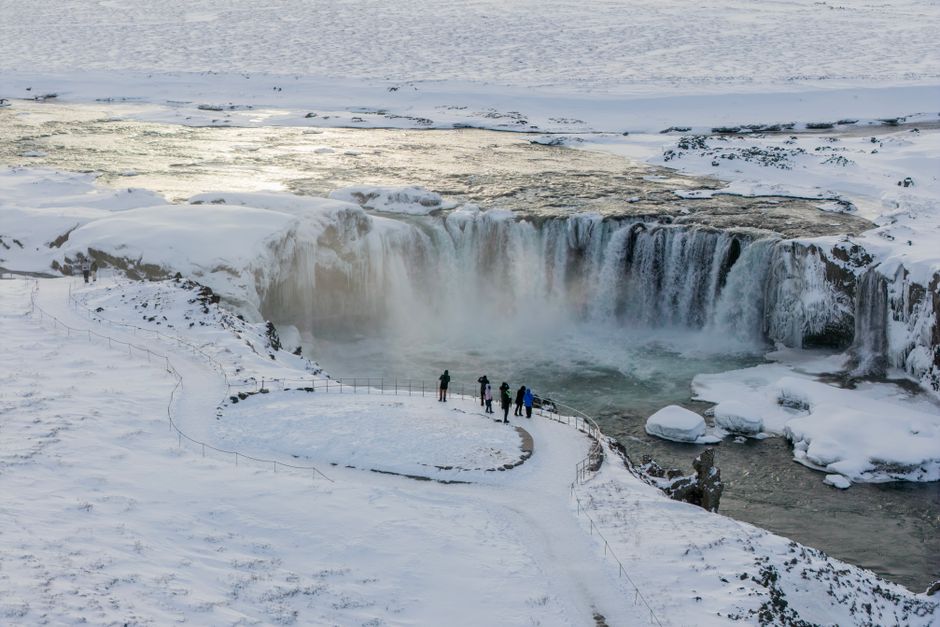
A calm 0°C day feels pleasant with a mid-layer. The same 0°C with 20m/s wind feels like -12°C. Your face stings. Your hands go numb in minutes. I learned this on day one at Seljalandsfoss waterfall — spray + wind = instant freeze.
Rain turns to ice fast
Iceland gets frequent winter rain. It freezes on contact with any surface. Your jacket needs to be fully waterproof, not just water-resistant. Gore-Tex or equivalent is mandatory. Cotton denim is dangerous — wet jeans in wind chill can lead to hypothermia within an hour.
Check the Icelandic Met Office forecast daily. Wind speed matters more than temperature.
The Layer System That Actually Works
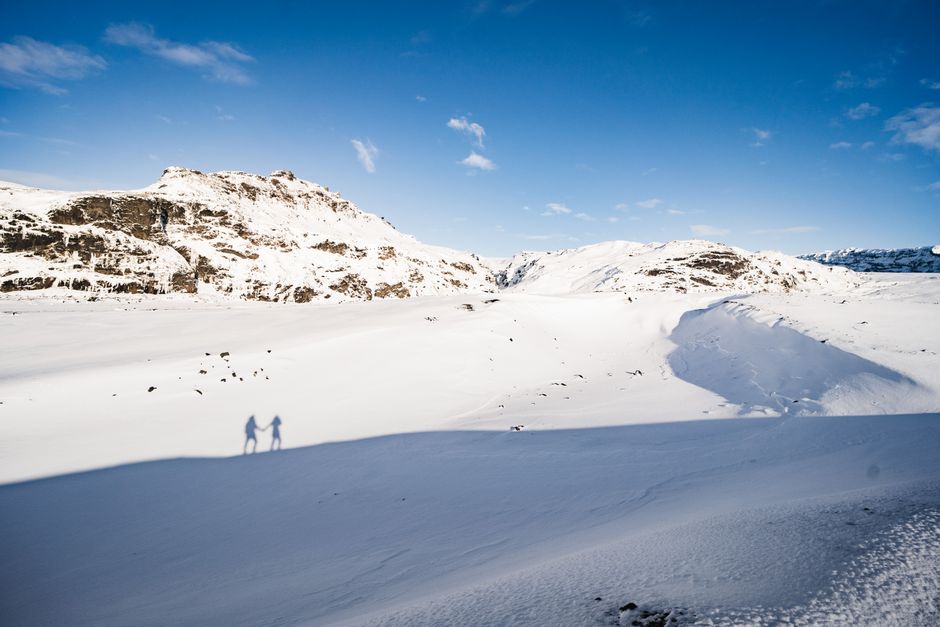
Three layers. That’s all you need. But each layer must be chosen for specific conditions, not comfort at home.
Base layer: Merino wool, not synthetic
I wore the Icebreaker 200 Oasis long-sleeve crew ($90). Merino handles sweat better than polyester. It doesn’t stink after three days. I brought two tops and rotated. One pair of Icebreaker 200 leggings for bottoms. That was enough.
Synthetic base layers (like Under Armour ColdGear) work but smell after one day. If you’re staying in hostels or cars without laundry, merino wins.
Mid layer: Insulation with venting
A Patagonia Nano Puff Hoody ($279) or Arc’teryx Atom LT Hoody ($300). Both are synthetic insulated jackets that breathe. You’ll unzip them when hiking uphill. You’ll zip them tight when standing at Dettifoss in the wind.
Don’t use down for the mid layer. One sweat soak and it loses insulation until dry. Synthetic works wet.
Outer shell: Waterproof and windproof
This is non-negotiable. I used an Outdoor Research Foray II ($225). It’s Gore-Tex Paclite — light, packs small, fully sealed. The hood fits over a helmet. Pit zips let you dump heat fast.
Your shell must reach past your hips. Short jackets let snow and wind in at the waist. Bad.
Footwear: The Most Common Failure Point
I saw tourists in fashion boots and sneakers slip on ice within ten minutes. Don’t be that person.
Insulated waterproof boots with grip
Sorel Caribou ($170) are the gold standard. 200g insulation, waterproof rubber lower, removable liner. They handle slush, ice, and standing in snow for hours. I walked through ankle-deep glacial runoff without wet feet.
Alternative: Baffin Impact ($200) for extreme cold (-40°C rated). Overkill for most days, but if you’re photographing northern lights for 3 hours at night, your toes stay warm.
Microspikes are not optional
I brought Kahtoola MICROspikes ($75). Every ice-covered path, frozen waterfall approach, and parking lot became safe. Without them, you walk like a penguin. With them, you walk normally.
Don’t buy the cheap coil-style crampons. They break. Spend the money on real spikes.
Hands, Head, Face: Where Heat Escapes
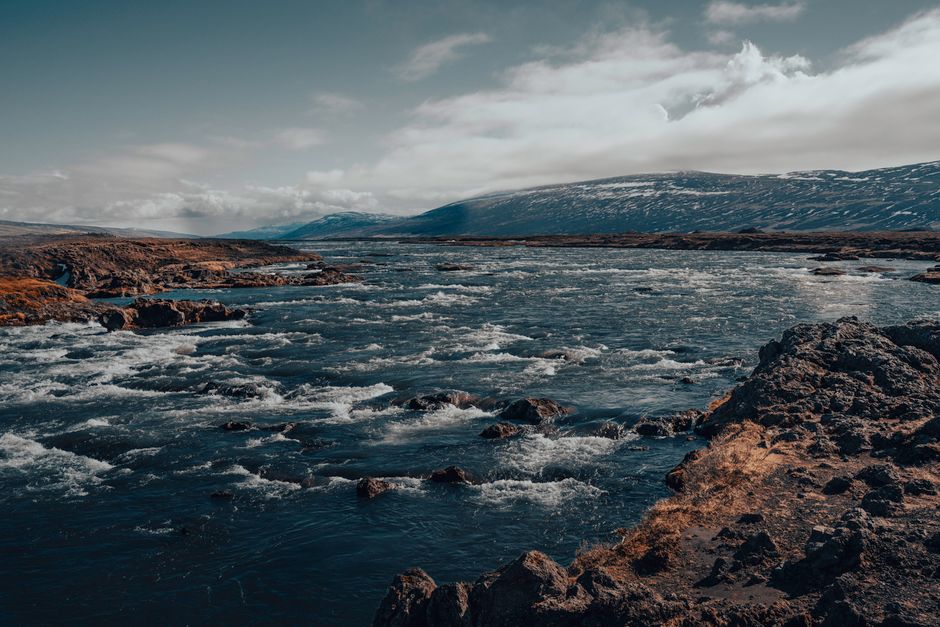
You lose most body heat from your head and hands. But thick gloves make you clumsy. Thin ones freeze. Here’s the solution.
Glove system: Liner + mittens
I used Smartwool Liner Gloves ($30) under Black Diamond Mercury Mitts ($120). The liners let me use my phone. The mittens go on when wind hits. Mittens keep fingers warmer than gloves because fingers share heat.
Bring a second pair of liners. They get wet from snow and sweat. Swap them at lunch.
Neck gaiter over a scarf
A Buff Merino Wool ($30) covers your neck and can pull up over your nose. Scarves come loose in wind. The Buff stays put. I wore mine every single day.
Hat with ear coverage
Any wool beanie works. Make sure it covers your ears fully. I used a Carhartt Acrylic Watch Hat ($20). Cheap, dense, effective.
What NOT to Bring (And What to Swap)
I made mistakes my first trip. Here’s what to leave at home.
| Item | Why It Fails | Better Alternative |
|---|---|---|
| Cotton jeans | Wet = cold = dangerous | Prana Stretch Zion pants ($89, quick-dry nylon) |
| Standard umbrella | Wind destroys it in seconds | Outdoor Research Helium rain jacket ($159) |
| Thick down parka | Too bulky, can’t layer under shell | Synthetic mid-layer + shell system |
| Fashion wool coat | Not waterproof, wind cuts through | Gore-Tex shell jacket |
| Regular sneakers | Zero grip on ice, get soaked | Sorel Caribou or Baffin Impact boots |
Packing Strategy: How to Fit 14 Days in a Carry-On
I used a 40L backpack (Osprey Farpoint 40). Everything listed above fit. Here’s the exact method.
Wear your heaviest items on the flight
Boots, shell jacket, and mid-layer all go on your body. That saves half the bag space. You’ll be warm on the plane anyway.
Roll, don’t fold
Rolling merino wool base layers and pants saves space and prevents wrinkles. I fit 5 tops, 3 bottoms, socks, underwear, and a toiletry bag in the main compartment. The shell and mid-layer sit on top for easy access at the airport.
Laundry every 5 days
Most guesthouses and campsites have washing machines. Bring a small packet of detergent sheets. Wash your base layers and socks. The merino dries overnight on a radiator.
Gear That Saves You Money and Comfort
These items aren’t glamorous. They make the trip work.
Water bottle that won’t freeze
A Hydro Flask 32oz ($45) with the wide mouth. Insulated. Fill it with hot tea in the morning. It stays warm for 6 hours. The narrow-mouth version freezes at the spout.
Headlamp for Northern Lights
A Black Diamond Spot 400 ($40). 400 lumens, red light mode to preserve night vision. You’ll walk in the dark to find aurora spots. Phone flashlight drains battery and freezes your fingers.
Hand warmers
Pack of 10 HotHands ($8). Stick them in your mittens and boots on cold days. Cheap insurance against miserable fingers.
One pro tip: put a hand warmer in your jacket chest pocket. It warms the blood going to your hands. Works better than warming your fingers directly.