You have one free day in May, a train to catch, and no interest in spending half the break changing platforms. The forecast looks promising but not guaranteed, so the winning destination needs more than a pretty beach: it needs a compact centre, reliable transport, food that does not require a reservation weeks ahead, and a backup plan for rain.
For most travellers, Brighton is the safest all-round choice. It gives you a proper seafront, a walkable centre, independent food, and enough indoor options to rescue the day if the wind turns cold. Other towns beat it for quiet beaches, cliffs or traditional seaside atmosphere, but they demand more planning.
Which UK coast works best for one May day?
The best destination is the one that leaves you with at least five useful hours on the ground. A beautiful beach becomes a poor day trip when the outward journey takes three hours, the last return service leaves early, and every attraction sits several miles from the station.
| Destination | Best for | Useful time on foot | Main risk |
|---|---|---|---|
| Brighton | First-time visitors, food and mixed weather | Seafront, lanes and station area connect easily | Busy weekends in warm weather |
| Whitstable | Harbour lunch, independent shops and a slower pace | Town centre and harbour are close together | Stony shore and limited shelter |
| Dawlish | Cliffs, railway views and a quieter Devon coast | Beach, sea wall and town centre are compact | Long journey from London |
| Bournemouth | Wide sand, beach facilities and a classic resort day | Central beach area is easy to reach | Less charm if you avoid the busy resort strip |
| New Brighton | A short Merseyside escape with sea views | Promenade, beach and Marine Point are close | More estuary than open-sea drama |
Brighton wins for a single free day because the plan still works if you replace a beach walk with a gallery, café or covered market. Pick Whitstable for seafood and atmosphere, Dawlish for scenery, Bournemouth for sand, and New Brighton when a short journey matters more than a famous coastline.
Choose the coast by journey risk, not postcard appeal
My clear recommendation is to choose the destination with the shortest realistic door-to-door journey, not the one with the most impressive photographs, because a May day trip has a narrow margin for delays: allow 45 minutes to reach your departure station, 20 minutes for a connection, and another 30 minutes to find food or shelter after arrival, then reject any route that leaves less than five hours before the return journey. A destination with a modest beach but a central station will beat a dramatic headland when the weather shifts, because you can change the plan without buying another ticket or calling a taxi, while a remote bay often turns a small delay into a missed lunch booking and an expensive late return. For that reason, Brighton is the strongest default from London, Whitstable is the better choice for a relaxed harbour day, Bournemouth suits travellers who want sand and facilities, and Dawlish only makes sense when the railway scenery and sea wall matter more than maximum time beside the water. The practical test is simple: look up the first three outbound services and the last three returns, then pick the town that still gives you two usable options if the best train disappears.
Four workable rail plans for May 2026
The solution is not a longer checklist. It is a route with one main activity, one meal, and one weather-proof fallback.
Brighton: the strongest all-weather plan
- Arrive before 10:30 and walk downhill from Brighton station through the Lanes towards the seafront.
- Use the morning for the Royal Pavilion, independent shops or the western seafront before the crowds build.
- Eat lunch away from the busiest pier frontage, then walk east towards the Marina if the tide and wind are comfortable.
- Keep the final hour flexible. Brighton has enough cafés, galleries and covered spaces to absorb a wet afternoon.
South Western Railway is useful for the south coast, with direct London Waterloo services reaching Bournemouth in roughly two hours and Weymouth in around two hours and 45 minutes, depending on the service pattern. For one day, choose Bournemouth over Weymouth: Weymouth is attractive, but the longer journey leaves less room for delays.
Dawlish: the scenery-first option
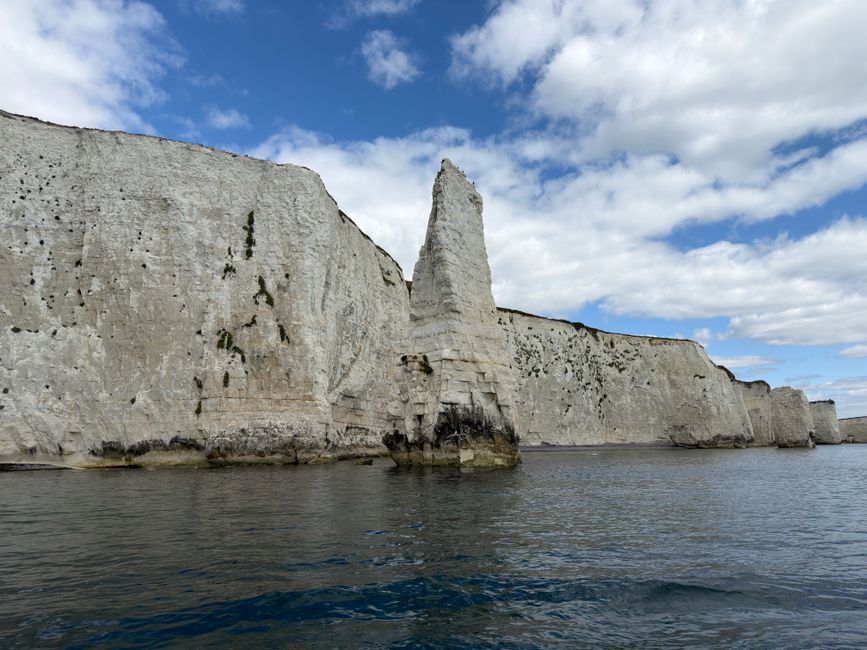
Great Western Railway services from London Paddington to the south-west make Dawlish possible, but the journey can take around two hours and 45 minutes or more. The reward is a sea wall, red cliffs, a compact town and a railway journey that feels like part of the day. The cost is flexibility: if rain arrives, indoor alternatives are thinner than in Brighton, so this is my pick only for travellers who value coastal scenery above shopping and museums.
New Brighton: the short-journey choice
Merseyrail’s Wirral Line can carry you from Liverpool Central to New Brighton in about 30 minutes. That makes it a strong option when you want a coast day without spending the whole morning travelling. Walk the promenade, visit the lighthouse area, eat around Marine Point and keep enough time for the return before evening events begin.
What can ruin a coastal day trip in May?
Will May weather support a beach walk?
Sometimes. Plan for bright spells, sharp wind and a sudden shower in the same afternoon. Wear shoes that handle wet paving, carry a light waterproof layer, and keep one indoor stop in reserve. A small backpack beats a heavy suitcase because you will move between the station, waterfront and lunch stop on foot.
Should you trust the warm forecast?
No. Coastal forecasts can change faster than inland forecasts, and wind makes 16°C feel much colder beside the water. Check the forecast for the exact town on the morning of travel, then check tide times if you care about rock pools, beach walks or photographs. A high tide can remove the most comfortable section of sand even when the weather looks perfect.
What is the most common planning mistake?
People fill the day with distant attractions. They book a castle, a boat trip and a restaurant in three different parts of town, then spend the afternoon watching the clock. Keep paid bookings to one fixed event. If that event is cancelled, the day should still work through a promenade walk, a market, a museum and an early meal.
How much should one May coastal day cost?
My cost verdict: spend money on transport timing, not on a packed attraction list. A well-planned day can stay below £70 per person before rail fares, while a rushed day with taxis and late bookings can cost twice that without feeling better.
| Expense | Practical allowance per person | How to control it |
|---|---|---|
| Breakfast and coffee | £6–£12 | Eat before the busiest seafront area |
| Lunch | £12–£22 | Choose a fixed-price café meal or market counter |
| One paid attraction | £8–£25 | Book only one timed activity |
| Snack or ice cream | £4–£8 | Keep a small cash buffer |
| Local bus or short taxi | £0–£15 | Stay within walking distance of the station |
A National Railcard can cut eligible adult rail fares by roughly one third, although the saving depends on the ticket and any time restrictions. The 16-25 Railcard and Two Together Railcard are useful examples, but check the current 2026 price and the minimum fare rules before buying one for a single outing. If you already own one, compare an Advance ticket with an Off-Peak ticket: the cheapest fare is not the best choice if it locks you into a connection with no backup.
When should you skip the seaside?
Skip a coastal day trip when the forecast shows strong winds, the only practical return leaves before dinner, or the journey takes more than three hours each way from your starting point. That is not a failure of planning; it is a sign that the coast is asking too much from one day.
Choose a harbour town instead of a beach resort
Harbour towns work better when the sand is wet or the wind is unpleasant. You can still walk beside the water, but cafés, galleries and shops give the day more structure. Whitstable is the clearest choice for this style of trip because the harbour, high street and food stops sit close together.
Choose a riverside or estuary walk instead
An estuary can deliver open views without the full force of a sea breeze. New Brighton, for example, gives you a waterfront outing with a short city connection, while towns near major rivers often offer museums and historic streets within the same walking area.
Keep the next trip longer
Save remote beaches, cliff paths and small fishing villages for a two-night break. They deserve time for tide changes, slow lunches and a weather window. For one free May day, the winning plan is simpler: choose a reachable coast, arrive early, walk beside the water, eat well, and leave with enough daylight to make the return feel easy. As rail links and coastal towns improve their visitor offer, the best short breaks will belong to places that make a rainy hour as enjoyable as a sunny one.