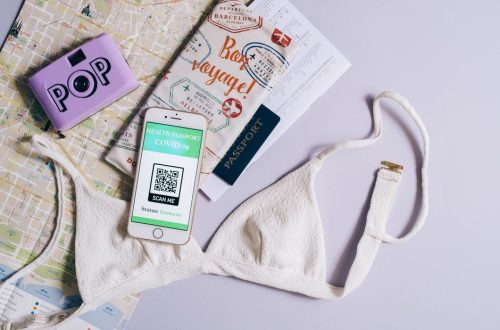
Start with the most important rule: check your passport’s expiration date right now. Many countries require your passport to be valid for at least six months beyond your return date. If it expires before July 2027, you need to renew before booking flights for 2026. Renewal takes 6–10 weeks standard ($130 fee) or 2–3 weeks expedited ($190). Do not wait until March 2026 for a June trip.
This guide covers exactly what documents you need, where to get them, and what mistakes travelers make every year. No fluff. Just steps that work.
1. Passport and Visa Basics: What Changed for 2026
The biggest change for 2026 is the rollout of the U.S. REAL ID requirement for domestic air travel, but that doesn’t affect international trips directly. However, several countries have updated their visa policies. For example, the European Travel Information and Authorisation System (ETIAS) is now live for U.S., Canadian, and Australian passport holders visiting the Schengen Area. You must apply online before departure — it costs €7 and is valid for 3 years. Apply at least 72 hours before your flight.
Passport Renewal Tips
Renew by mail using Form DS-82 if you meet the requirements (age 16+, passport issued within the last 15 years, undamaged). If your passport was lost or stolen, you must apply in person with Form DS-11. The processing time for standard service in 2026 remains 6–8 weeks. Expedited service costs an extra $60 and takes 2–3 weeks. Use the State Department’s online renewal pilot if eligible — it’s faster and lets you upload your photo.
Visa Requirements by Region
For 2026, Australia now requires an Electronic Travel Authority (ETA) for U.S. citizens — $20 AUD, processed in minutes. Brazil reinstated visa requirements for Americans in 2026, so expect to pay $80 for an e-visa in 2026. India’s e-visa is still $25 for 30 days. Always check the embassy website directly — third-party sites often charge double.
| Destination | Document Needed | Cost | Processing Time |
|---|---|---|---|
| Schengen Area (EU) | ETIAS | €7 | 72 hours |
| Australia | ETA (eVisitor) | $20 AUD | Instant–2 days |
| India | e-Visa | $25 | 72 hours |
| Brazil | e-Visa | $80 | 5 business days |
| United Kingdom | Electronic Travel Authorisation (ETA) | £10 | Up to 3 business days |
2. The One Document Most Travelers Forget
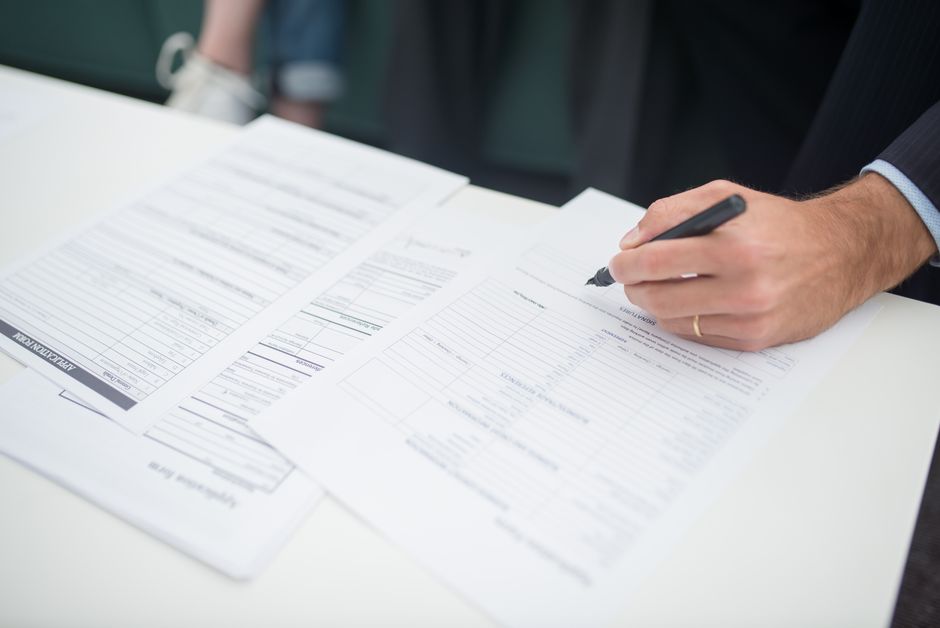
It’s not your passport. It’s not your visa. It’s the printed copy of your travel itinerary and hotel reservations. In 2026, many immigration officers still ask for proof of onward travel and accommodation. If you can’t show it, they can deny entry. Print everything. Keep a second set in your carry-on, separate from your main documents.
Also, carry a photocopy of your passport’s data page. If your passport gets lost or stolen, this copy speeds up replacement at the embassy. Take a photo of it on your phone too. Just make sure the phone is password-protected.
3. Travel Insurance: The Document That Pays for Itself
Travel insurance isn’t a document you show at the border. But it’s the most important one you’ll never hand over — until you need it. In 2026, medical evacuation from a remote area can cost $50,000 to $100,000. A good policy costs $40–$100 per trip. World Nomads offers plans starting at $50 for a two-week trip to Europe. SafetyWing covers digital nomads for $56 per month. Both include trip cancellation, lost luggage, and medical coverage.
Read the fine print. Some policies exclude pre-existing conditions or adventure sports. If you plan to hike in Nepal or scuba dive in Thailand, buy a policy that covers those activities. Squaremouth and InsureMyTrip let you compare policies side by side.
One hard rule: buy insurance within 14 days of booking your trip to qualify for the “cancel for any reason” upgrade (usually an extra 50% premium). After that window, you only get standard cancellation coverage.
4. Digital Documents and Backup Strategies

Store digital copies of every document in a secure cloud service like Google Drive or iCloud. Use a password manager like 1Password ($36/year) or Bitwarden (free) to store login credentials for visa applications and airline accounts. Do not email yourself sensitive documents — that’s a security risk.
For offline access, save PDFs to your phone’s local storage. On iPhone, use the Files app. On Android, use Google Drive’s offline mode. Also carry a USB drive with encrypted copies of your passport, visa, and insurance policy. Keep it in a different bag from your wallet.
Apps like TripIt (free) organize your itinerary and store document links in one place. Upload your passport photo and visa PDFs to the app. If you lose your phone, you can log in from any computer.
5. Special Cases: International Driving Permits and Global Entry
If you plan to drive abroad, you need an International Driving Permit (IDP). It’s not a license — it’s a translation of your domestic license. AAA issues IDPs for $20 (U.S. residents). Apply in person at any AAA branch. You’ll need two passport photos and your valid driver’s license. The IDP is valid for one year. Countries like Japan, Italy, and Australia require it. Rental car companies in those countries will refuse service without it.
Global Entry costs $100 and includes TSA PreCheck. It’s valid for 5 years. The application includes an in-person interview at a U.S. airport. In 2026, wait times for interviews range from 2 weeks to 3 months depending on the airport. Apply now if you’re traveling in 2026. Global Entry speeds up re-entry to the U.S. after international trips — no more waiting in long customs lines.
Failure mode: Some travelers assume their standard driver’s license works everywhere. It doesn’t. If you rent a car in Japan without an IDP, you’ll be denied at the counter and lose your prepaid rental fee.
6. The 30-Minute Final Checklist Before You Leave

Do this the night before your flight. Not the morning of. Give yourself 30 minutes to check everything.
- Passport (check expiration date again)
- Visa or ETIAS approval (printed + digital)
- Travel insurance card and policy number
- Printed itinerary and hotel confirmations
- International Driving Permit (if needed)
- Global Entry or NEXUS card (if applicable)
- Yellow fever vaccination card (required for some African and South American countries)
- Emergency contact list (embassy phone numbers, bank numbers)
- Credit cards and local currency (notify your bank of travel dates)
- Phone charger and backup battery
That’s it. No extra steps. No apps to download at the last minute. If you’ve done everything above, you’re ready for the border.