New Zealand is one of the safest solo travel destinations on the planet. Violent crime is rare. People leave their cars unlocked. But safe doesn’t mean risk-free. In 2026, search and rescue teams in New Zealand responded to over 1,100 incidents involving tourists. A third of those were solo travellers who made predictable, avoidable mistakes.
I’ve lived in New Zealand for 12 years. I’ve seen backpackers stranded on a gravel road at 10pm with no cell reception. I’ve watched people hike the Tongariro Alpine Crossing in jandals (flip-flops) and get hypothermic. This article is the straight-talking safety briefing you won’t get from a hostel notice board.
1. The Fatal Assumption: “I’ll Just Drive It in One Day”
This is the #1 mistake. Tourists look at a map and think “Christchurch to Queenstown is 480 km — that’s five hours, easy.” They don’t account for New Zealand roads. They’re narrow, winding, single-lane bridges, and often shared with logging trucks. In the South Island, the speed limit is 100 km/h, but you’ll average 60–70 km/h on most mountain passes.
I’ve seen rental cars with rental company stickers on the back: “Please pass — tourist.” That sticker is a warning. You are not driving in Australia or the US. The road to Milford Sound is 120 km of hairpins, tunnels, and waterfalls that flood the asphalt. Do not plan to drive from Franz Josef to Queenstown in one afternoon. It takes 6 hours without stops. You will arrive exhausted and dangerous.
The real fix: plan 3–4 hours of driving per day maximum
Rent a Britz Voyager campervan (from $120 NZD/night) and break the journey. Stay at the Lake Paringa Campsite between Franz Josef and Haast. It’s basic, but it’s safe. Use the AA Roadwatch app for real-time road closures. The Milford Road (SH94) closes for avalanches without warning.
2. Underestimating the Weather (It Will Try to Kill You)
New Zealand’s weather changes faster than a teenager’s mood. In one hour on the Routeburn Track, you can experience sun, rain, sleet, and 80 km/h winds. The Department of Conservation (DOC) reports that 40% of search and rescue callouts are for trampers (hikers) caught in weather they didn’t prepare for.
I’ve seen solo hikers leave for the Tongariro Alpine Crossing in a hoodie and jeans. That track is at 1,900 metres elevation. In summer, the temperature can drop to 5°C at the summit. In winter, it’s -10°C with ice. The crossing kills people. In 2026, a 24-year-old German woman died of hypothermia on that track despite perfect weather forecasts.
The minimum gear list for any day hike
- Three layers: merino base, fleece mid, waterproof shell (not a rain jacket — a proper Gore-Tex shell like the Kathmandu Torrentshell, $199 NZD)
- Beanie and gloves — even in January
- 2 litres of water minimum — streams are not reliably safe to drink without treatment
- PLB (Personal Locator Beacon) — rent one from DOC for $15 NZD/day. Don’t argue. Just do it.
Check the MetService Severe Weather Outlook before any hike. If it says “heavy rain warning,” cancel. The track will still be there tomorrow.
3. The “I’ll Wing It” Accommodation Strategy
Peak season (December–February) turns New Zealand into a sold-out mess. I’ve watched solo travellers arrive in Wanaka at 6pm, no booking, expecting to find a $30 dorm bed. They end up sleeping in their rental car at a rest stop. That’s not just uncomfortable — it’s dangerous. Rest stops are unlit, remote, and sometimes targeted by thieves.
In 2026, Jucy Rentals reported a 300% increase in theft from rental cars parked overnight at unmonitored rest areas. Laptops, passports, cash — gone. The police can’t patrol every gravel pull-off in the country.
Book 3–5 days ahead, especially in summer
Use Bookabach or CamperMate for last-minute campsites. The DOC website lists all 250+ campsites with real-time availability. The Hokitika Gorge Campsite ($15 NZD/night, no power, no showers) is basic but safe and stunning. Every hostel in Queenstown has a 48-hour cancellation policy — use that to your advantage, not as a reason to procrastinate.
4. Ignoring the Sandflies (This Is Not a Joke)
Everyone laughs about sandflies. Then they spend a week scratching themselves bloody. The sandfly (Simuliidae) is a small biting fly that lives near water in New Zealand. They swarm in the West Coast, Fiordland, and the Catlins. They bite through thin clothing. The bites swell, itch for days, and can become infected if scratched.
I’ve seen solo travellers abandon the Milford Track because the sandfly reaction was so severe they couldn’t sleep. One woman I met at Lake Matheson had 40 bites on one leg. She was crying. This isn’t a minor annoyance — it’s a trip-ruiner.
The only repellent that works
Bushman’s Insect Repellent (20% DEET, $12 NZD at any pharmacy). Not the natural stuff. Not the “eco-friendly” spray. DEET. Apply to exposed skin and clothing edges. Reapply every 4 hours. Wear long sleeves and pants in the West Coast. Treat your clothes with Permethrin spray ($25 NZD, lasts 6 washes).
If you get bitten, apply Eurax cream (crotamiton, $18 NZD) or take antihistamines. Do not scratch. Infected sandfly bites require antibiotics — that’s a doctor visit and a ruined itinerary.
5. Going Off-Grid Without Telling Anyone
New Zealand has huge dead zones. The Heaphy Track, the Kepler Track, and the entire Catlins Coast have zero cell reception for hours. Solo travellers frequently hike into these areas, tell nobody, and then twist an ankle. Without a PLB, you wait until someone notices you’re missing. That could be 48 hours.
In 2026, a solo American hiker on the Greenstone Track fell and broke his leg. He had no PLB, no cell signal, and had only told his mother he was “going tramping somewhere in the South Island.” It took three days for search teams to find him. He survived. Many don’t.
The rule: always file a trip report with DOC
Before any multi-day hike, fill out an Intentions Form at the nearest DOC office. Give them your route, start time, expected finish, and vehicle details. They don’t track you actively, but if you’re overdue, they start searching. Rent a ResQLink PLB from DOC or Adventure Rentals ($20 NZD/day). It’s not optional. It’s the difference between a rescue and a recovery.
Also: buy travel insurance that covers helicopter evacuation. World Nomads and Southern Cross Travel Insurance both cover New Zealand search and rescue. Without insurance, a helicopter ride from the Routeburn Track costs $4,000–$8,000 NZD.
6. Overpacking for “Versatility” (You Will Regret It)
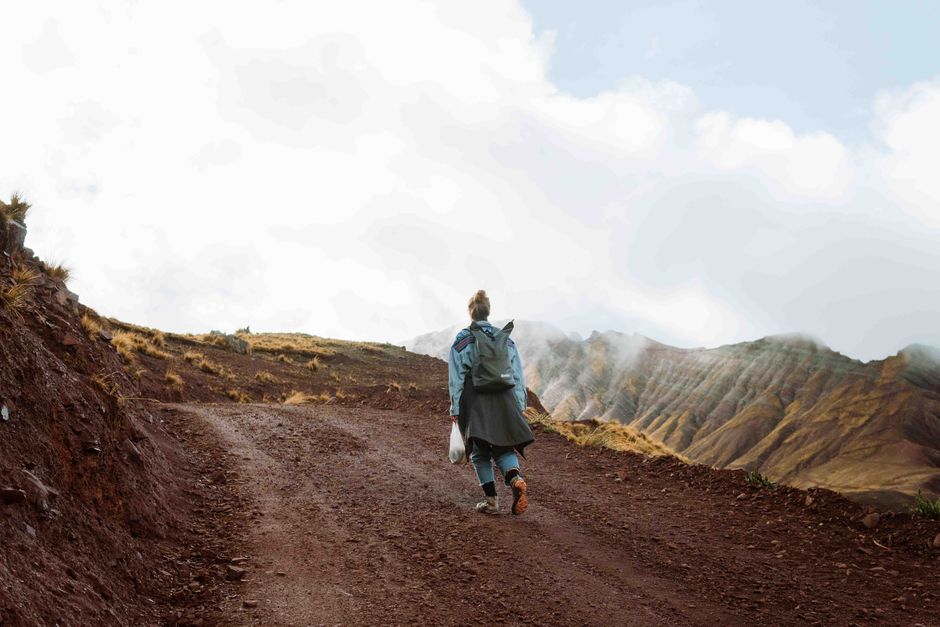
New Zealand is not a fashion show. You will wear the same merino shirt for three days. You will wash socks in a sink. Solo travellers who bring a 70-litre backpack full of “options” end up with a heavy, unmanageable bag on buses, ferries, and short flights.
I’ve watched people on the InterCity bus struggle to lift a suitcase onto the luggage rack. The bus driver won’t help you. The Jetstar checked bag limit is 20 kg. Exceed it, and you pay $60 NZD per extra kilo. I’ve seen people leave clothes at hostels because they couldn’t fit everything.
The capsule wardrobe for 3 weeks
- 2 merino T-shirts (Icebreaker or Macpac, $70 each)
- 1 merino long-sleeve
- 1 fleece jacket
- 1 waterproof shell
- 2 pairs of quick-dry hiking pants
- 1 pair of shorts
- 1 pair of thermal leggings
- 1 beanie, 1 buff, 1 pair of gloves
- 1 pair of sturdy hiking boots (Merrell Moab 3, $220 NZD)
- 1 pair of sandals or slip-ons for evenings
Pack in a 40-litre backpack. Anything larger and you’re carrying dead weight. If you’re renting a campervan, you can bring a duffel bag instead. But keep it under 15 kg.
7. Trusting Google Maps for Driving Directions
Google Maps does not know that the road to Māngere Bridge is a gravel track that turns to mud when it rains. It does not know that the “shortcut” to Glenorchy via the Skippers Canyon Road is a one-lane cliff-hugger with no guardrails. Rental car companies explicitly forbid driving on Skippers Canyon Road. If you ignore that, your insurance is void.
In 2026, a solo traveller in a Jucy rental car followed Google Maps down a farm track near Twizel. She got stuck in a ditch. The farmer found her the next morning. The rental company charged her $4,500 NZD for the tow and damage.
Use the NZ Transport Agency app instead
The NZTA Journey Planner app shows real-time road conditions, closures, and warnings for gravel roads. Download it before you drive. For the South Island, buy a Hema New Zealand Road Atlas ($25 NZD). Paper maps don’t lose signal. If a road looks like a dirt track on the map, don’t drive it unless you have a 4WD and insurance that covers unsealed roads.
8. Drinking Alone in Hostel Bars (The Social Trap)
Solo travel is lonely. Hostel bars are designed to fix that. But drinking alone — or with strangers you met 20 minutes ago — puts you in a vulnerable position. In Queenstown, the Flamingo Bar and Bunker are notorious for tourists drinking too much, losing their wallets, and waking up with no memory of the night.
I’m not saying don’t socialise. I’m saying pace yourself. New Zealand drinking culture is heavy. A “round” means buying shots for everyone. A solo female traveller told me she woke up in a stranger’s campervan after a night at Lone Star Cafe and Bar in Wanaka. She had no idea how she got there. She was lucky nothing worse happened.
The safety rule: 2 drinks maximum in unfamiliar company
Keep your drink in your hand at all times. Never leave it on the bar. If someone buys you a drink, watch the bartender pour it. Use BoozeBuddy or similar apps to track your consumption. And always have a backup plan — pre-book a taxi or walk back with a group you trust. The Queenstown Taxi app works 24/7. A ride from town to your hostel costs $15–$25 NZD. Cheap insurance.
Final Verdict: New Zealand Is Safe, But Not Invincible
New Zealand will give you the trip of a lifetime. But it will punish arrogance. The mountains don’t care about your Instagram feed. The weather doesn’t care about your flight itinerary. The sandflies don’t care about your eco-friendly repellent.
Here’s my specific recommendation for a solo traveller on a 3-week trip: Rent a Britz Venturer campervan ($140 NZD/night) for the South Island. Book the Tongariro Alpine Crossing through a guided company like Adrift Tongariro ($199 NZD, includes transport and a PLB). Carry a ResQLink PLB on every hike. Buy Bushman’s DEET repellent before you leave the airport. And for the love of everything, don’t try to drive from Christchurch to Queenstown in one day.
Do that, and you’ll come home with stories, not scars.
| Mistake | Risk Level | Cost of Fix | Best Prevention |
|---|---|---|---|
| Driving too far in one day | High | $4,500+ if crash | Plan 3–4 hrs driving/day |
| Underestimating weather | Critical | Life | DOC PLB rental + proper layers |
| No accommodation booking | Medium | $200+ for emergency motel | Book 3 days ahead |
| No sandfly protection | Low-Med | $50 for cream + antihistamines | DEET repellent + Permethrin spray |
| Going off-grid without a plan | Critical | $4,000–$8,000 helicopter rescue | DOC intentions form + PLB |
| Overpacking | Low | $60/kg excess baggage | 40L backpack, 15 kg max |
| Trusting Google Maps on remote roads | High | $4,500+ for tow + damage | NZTA app + paper road atlas |
| Drinking alone in bars | Medium | Theft or worse | 2 drink limit + pre-booked taxi |